Intertextile Shenzhen spotlights natural fibres, smart materials and AI sourcing
Buyers came for natural fibres, smart materials and AI tools as Intertextile Shenzhen drew more than 20,000 visits from 74 markets and nearly 620 exhibitors.
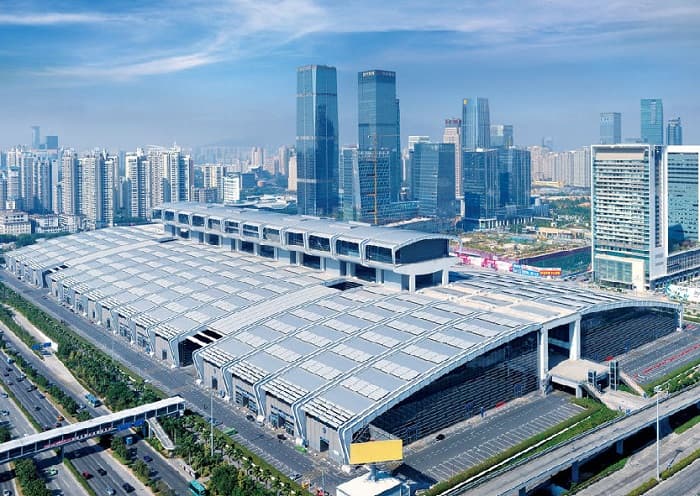
Intertextile Shenzhen tightened its pitch around textile innovation, and the crowd came for the practical stuff: natural fibres, smart materials and sourcing tools that can move faster than a seasonal mood board. The three-day fair closed on 11 June at the Shenzhen Convention & Exhibition Center in Futian, alongside Yarn Expo Shenzhen and PH Value, drawing more than 20,000 visits from 74 represented markets and nearly 620 exhibitors from 11 countries and regions.
The shift was not just in the aisles. This year’s edition was built around textile innovation, with sustainability, cutting-edge materials and industry AI applications pushed to the front of the programme. The debut Future Horizons Forum and Innovation Studio gave the fair a sharper, more product-minded edge, the kind that matters when brands are trying to separate real material progress from the usual wash of green language. In Shenzhen, that meant talking about fibre choice, functional finishes, sustainable chemistry and digital manufacturing with a seriousness that felt less ceremonial and more commercial.
Wilmet Shea, general manager of Messe Frankfurt HK, tied that momentum to Shenzhen’s place in the Greater Bay Area, its industrial strength, the city’s accessibility and China’s visa-free initiatives, which together make the fair a serious business stop rather than a decorative calendar item. The regional angle matters because Shenzhen is not trying to be a passive showroom. AI is already running through inspection, design, data and digital transactions there, and the fair’s structure reflected that shift instead of pretending it was still selling last year’s template.
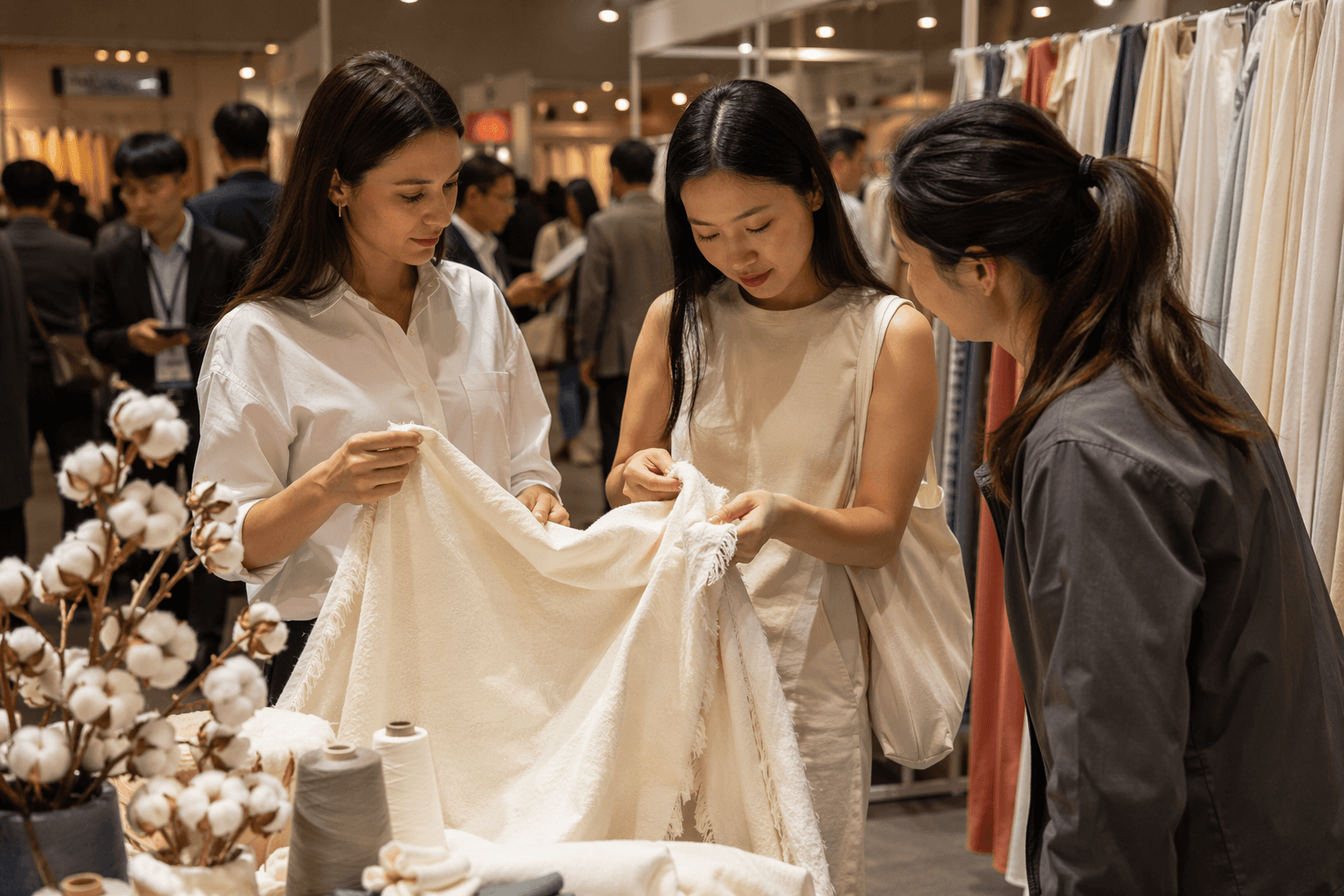
Dr Eve Nwaogu Chan of The Hong Kong Polytechnic University’s Technological and Higher Education Institute of Hong Kong said the event is strengthening its identity by leaning into smart materials, functional finishes, sustainable chemistry and digital manufacturing. That is the real test buyers care about now: which fibre categories can help a brand satisfy compliance pressure, reduce inventory risk and get product to market without waiting on fragile supply chains. Natural fibres still carry the clean, tactile appeal shoppers want, but the louder signal in Shenzhen was that brands are also hunting materials that do something measurable, whether that is performance, traceability or speed.
The fair’s smaller crowd compared with 2025 told its own story. Last year’s edition drew nearly 40,000 visits from 64 countries and regions and launched The Closet, a display area for eco-friendly materials and emerging designers. This year was leaner, but the market map widened, and that is usually where the smart money starts moving.
This article was produced by Prism’s automated news system from verified source data, official records, and press releases, then run through automated quality and moderation checks before publishing. The system is built and supervised by the people who set the standards it runs under. Read our full AI policy.
Know something we missed? Have a correction or additional information?
Submit a Tip