Clean Clothes Campaign launches manifesto tying fashion sustainability to worker rights
The Clean Clothes Campaign’s new manifesto says sustainability fails if it leaves wages, heat safety and bargaining rights off the table. 234 groups had signed on by May 5.
The Clean Clothes Campaign has put fashion’s favorite word, sustainability, under a harder test: whether living wages, worker voice and climate responsibility can be treated as core infrastructure, not decorative afterthoughts. Its Fashioning a Just Transition Manifesto launched on May 1 and had drawn endorsements from 234 organisations across Europe and Asia by May 5.
The document was co-developed with young people, workers and allies through online and offline input, then distilled into around 10 core principles for climate and environmental action in fashion. Its vision is blunt in a way the industry rarely is. Fashion’s low-carbon future, the campaign says, should be one that “values people and restores nature,” with no one exploited for profit and no transition built on poverty wages or silence at work.
What makes the manifesto distinctive is not its language about emissions, but its insistence that decarbonisation is a labour question. Clean Clothes Campaign says workers must be able to organise, bargain collectively and have a participatory seat in climate-transition decisions. It also says the costs of climate adaptation and mitigation should not be pushed onto workers or suppliers, a direct challenge to the familiar model in which brands announce targets while the pain of hitting them is absorbed further down the chain.
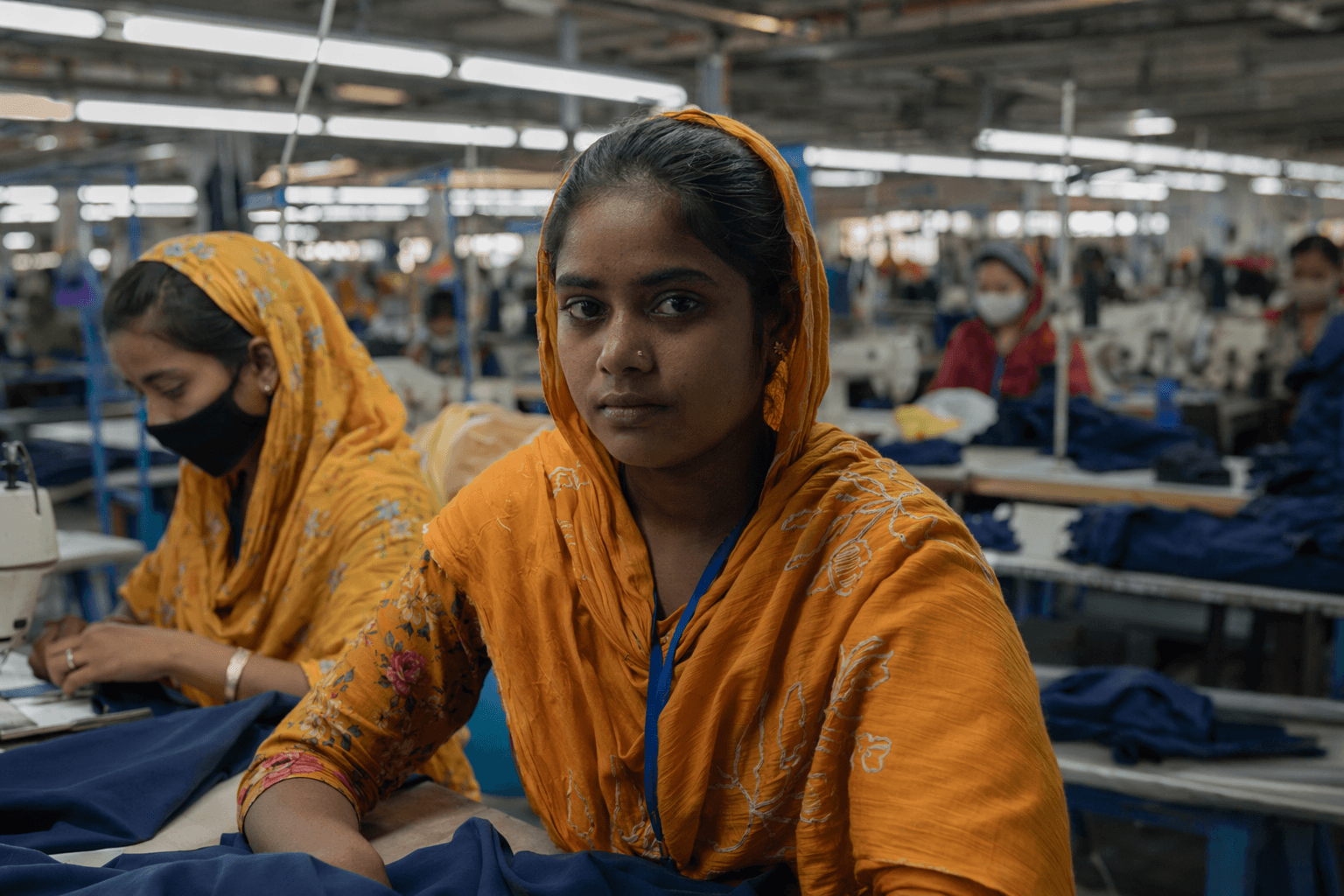
That framing lands at a moment when the gap between environmental claims and labour reality is already visible. A 2025 Business & Human Rights Resource Centre report, The Missing Thread, found workers were largely absent from fashion companies’ climate plans. In February 2026, the International Trade Union Confederation issued a union-led manifesto for textile and garment workers that likewise argued decarbonisation and circularity must come with binding guarantees on pay and conditions. The message from labour groups is converging fast: a fashion system cannot call itself sustainable if it keeps workers out of the room where the future is being priced.
The stakes are not abstract. Clean Clothes Campaign has already warned that rising heat is worsening illness, harassment and wage theft risks for garment workers in countries including Indonesia and Pakistan. In factories where unventilated rooms and restricted water breaks make heatwaves harder to endure, climate adaptation is not a glossy corporate pledge. It is a question of whether the person sewing the hem gets home safely, and gets paid fully.
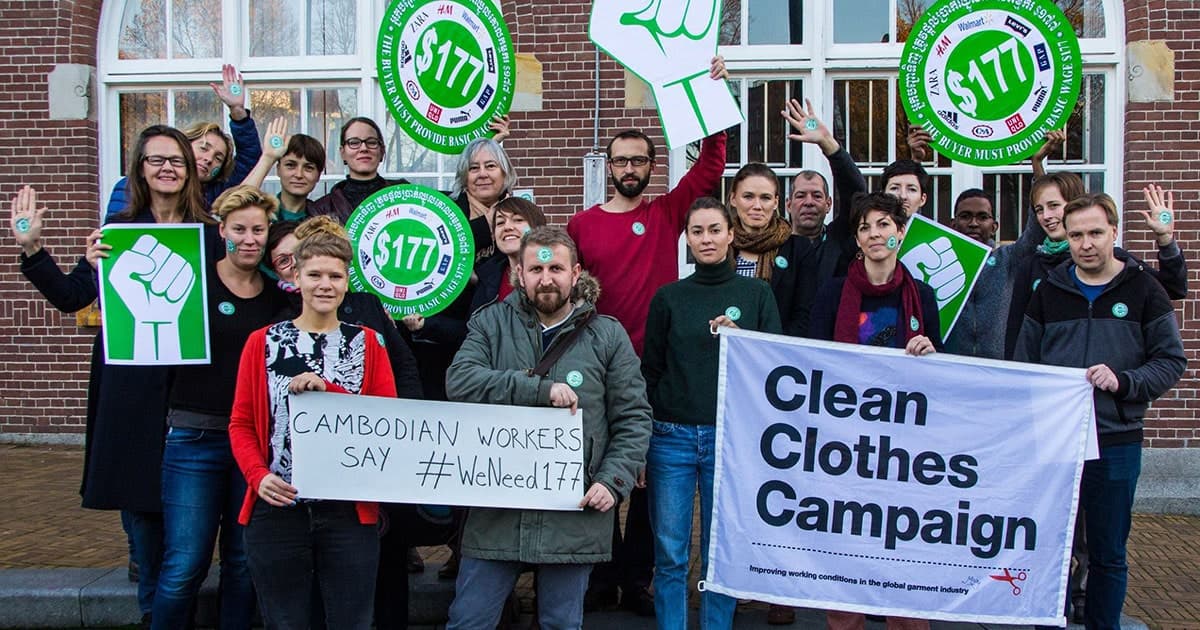
Clean Clothes Campaign says its global network connects more than 200 organisations in over 40 countries, which helps explain how the manifesto gathered support so quickly. The campaign also says the platform is open to activists, civil society, garment workers, trade unions and labour rights organisations, and it has paired the manifesto push with a €260,000 EU-based re-granting scheme to support young people, alliances and community mobilisation. Fashion has spent years treating sustainability as a materials story. This manifesto insists the real supply-chain test is who pays, who speaks and who gets protected when the industry finally takes climate seriously.
This article was produced by Prism’s automated news system from verified source data, official records, and press releases, then run through automated quality and moderation checks before publishing. The system is built and supervised by the people who set the standards it runs under. Read our full AI policy.
Did this article answer your question?