Cotton sustainability stalls on price, not technology, Trust Protocol says
Liz Hershfield says the bottleneck for responsible U.S. cotton is cost, even as the Trust Protocol reports 2.58 million planted acres and stronger traceability.

“There has never been a more important time to champion U.S. cotton,” Liz Hershfield said when Cotton Council International named her executive director last May. Inside the U.S. Cotton Trust Protocol, the bigger message is even sharper: the fiber is not short on agronomy, data, or technical ambition. It is running into price.
Hershfield, who was appointed co-director of the Trust Protocol with Marjory Walker on January 27, now leads global market development and supply chain teams, including traceability systems, operations, training, and assurance. That makes her one of the people closest to the procurement decisions that decide whether better cotton gets bought at scale or gets passed over for cheaper material with looser claims and less paperwork. In practice, the battle is not over whether U.S. cotton can be tracked. It is over whether brands will pay for the tracking.
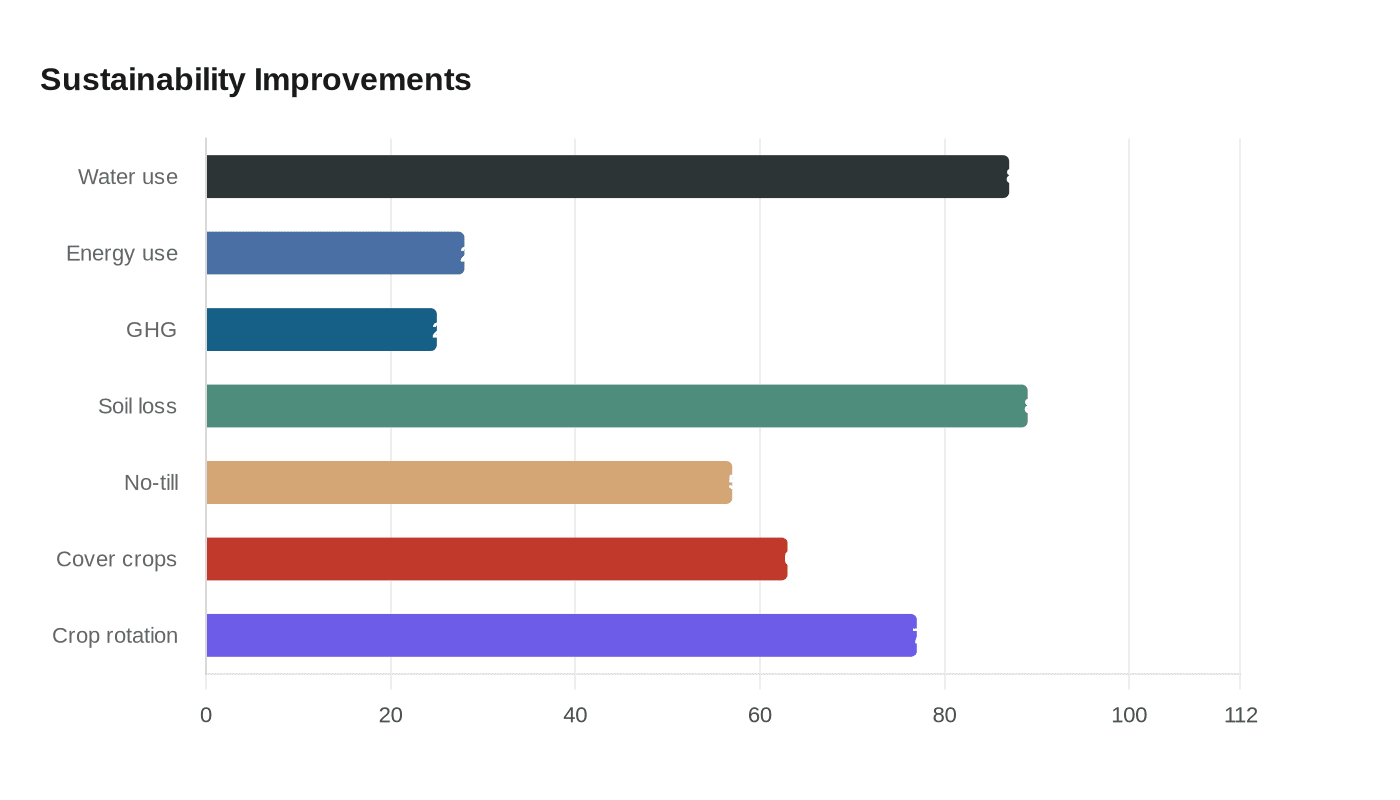
The Trust Protocol’s 2024/25 annual report shows the program has built real operational heft. Grower membership rose to 1,512, planted acres reached 2.58 million, and growers met or exceeded five of six 2025 national continuous-improvement goals versus a 2015 baseline. Water-use efficiency improved 87 percent, energy use fell 28 percent, greenhouse-gas emissions fell 25 percent, and soil loss dropped 89 percent. Fifty-seven percent of acres were under no-till or conservation tillage, 63 percent of growers planted cover crops, and 77 percent used crop rotation. The numbers suggest the technical case is already there.
The economic case is harder. The Trust Protocol launched a pilot in 2025 to formally recognize and verify regenerative practices, giving brands and retailers a new sourcing option for traceable regenerative U.S. cotton. That kind of verification is only useful if sourcing teams decide it is worth the premium. Forum for the Future has said finance is a barrier to regenerative cotton adoption because farmers often face multiple growing seasons before the benefits show up, and its U.S. cotton pilot sent payments for ecosystem benefits directly to four participating farmers. That is the sort of bridge money the supply chain needs if sustainability is going to move beyond pilot language.
The market context is unforgiving. USDA projected the U.S. share of global cotton trade at 28 percent for 2025/26, while warning that competition from Brazil could limit further export growth. At the same time, Textile Exchange says lower prices and continued virgin synthetic production are still suppressing recycled alternatives. That leaves procurement teams squeezed between margin and meaning. If traceable, regenerative cotton costs more than conventional fiber, the sustainability claim can collapse the moment it reaches a buying desk. Hershfield’s argument is that the fiber is ready. The real constraint is whether the industry will pay for the version it says it wants.
This article was produced by Prism’s automated news system from verified source data, official records, and press releases, then run through automated quality and moderation checks before publishing. The system is built and supervised by the people who set the standards it runs under. Read our full AI policy.
Did this article answer your question?