Plant Fibres Could Gain Third of Global Market by 2035
Non-cotton plant fibres could take a third more market share by 2035, but only if mills, farmers and financiers solve the bottlenecks.
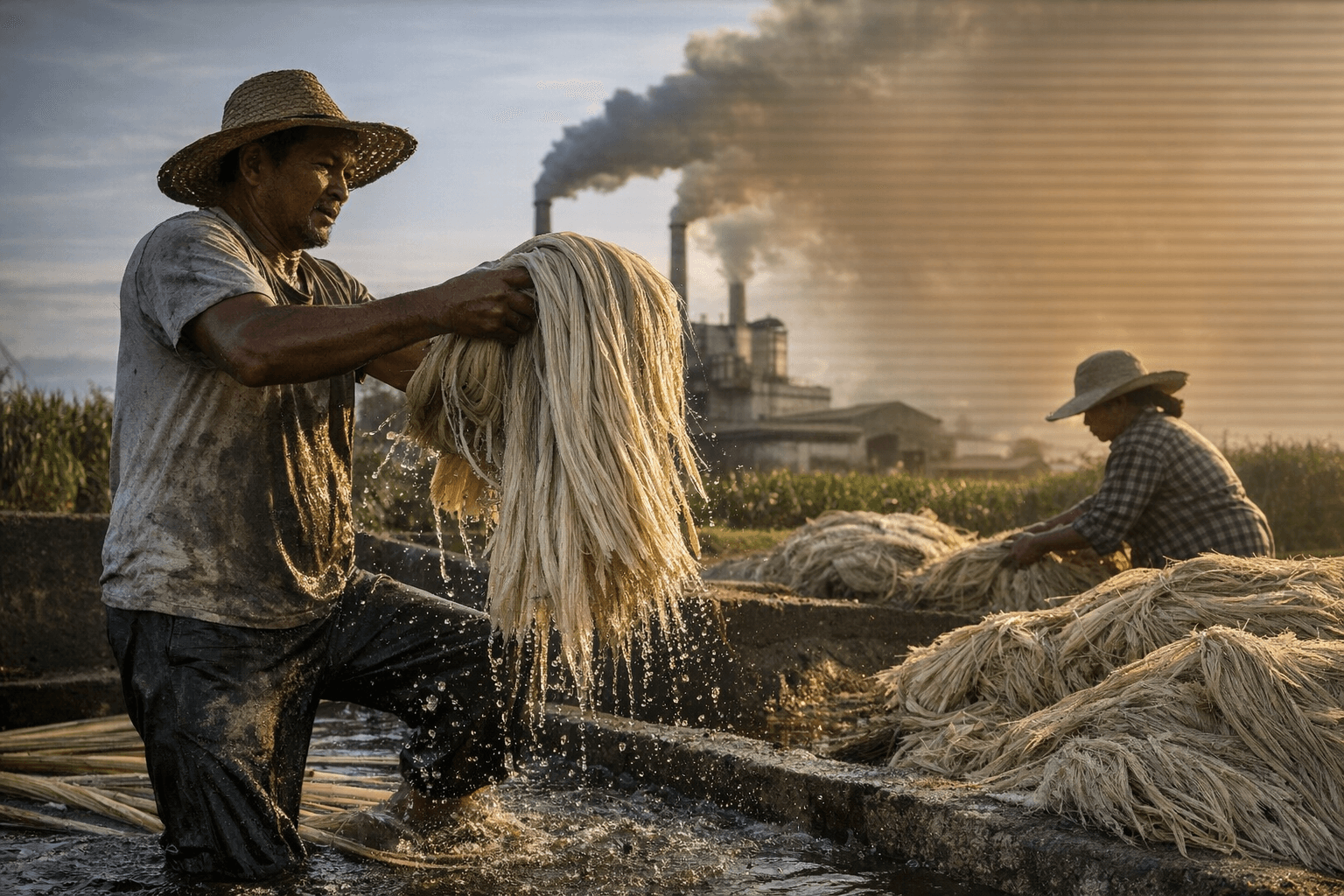
The wager is simple and expensive: non-cotton plant fibres could expand their share of the global fibre mix by a third by 2035, but only if the industry stops treating them like niche curiosities and starts funding them like industrial raw materials. The Fibral Global Plant Fibre Association’s latest analysis spans 36 fibres, from familiar jute and flax to banana fibre and water hyacinth, and it lands at a moment when the rest of the market is still running hot on polyester.
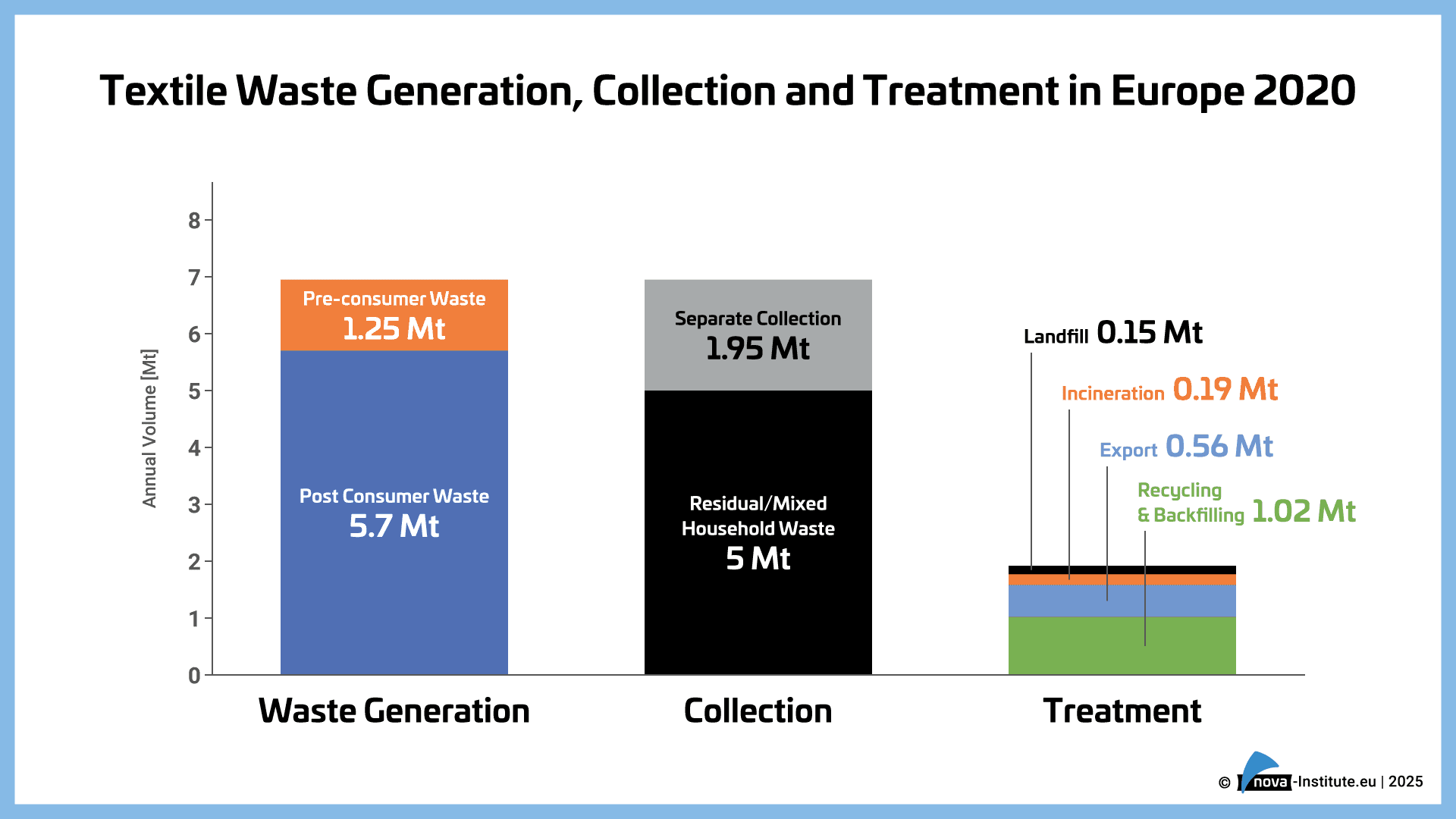
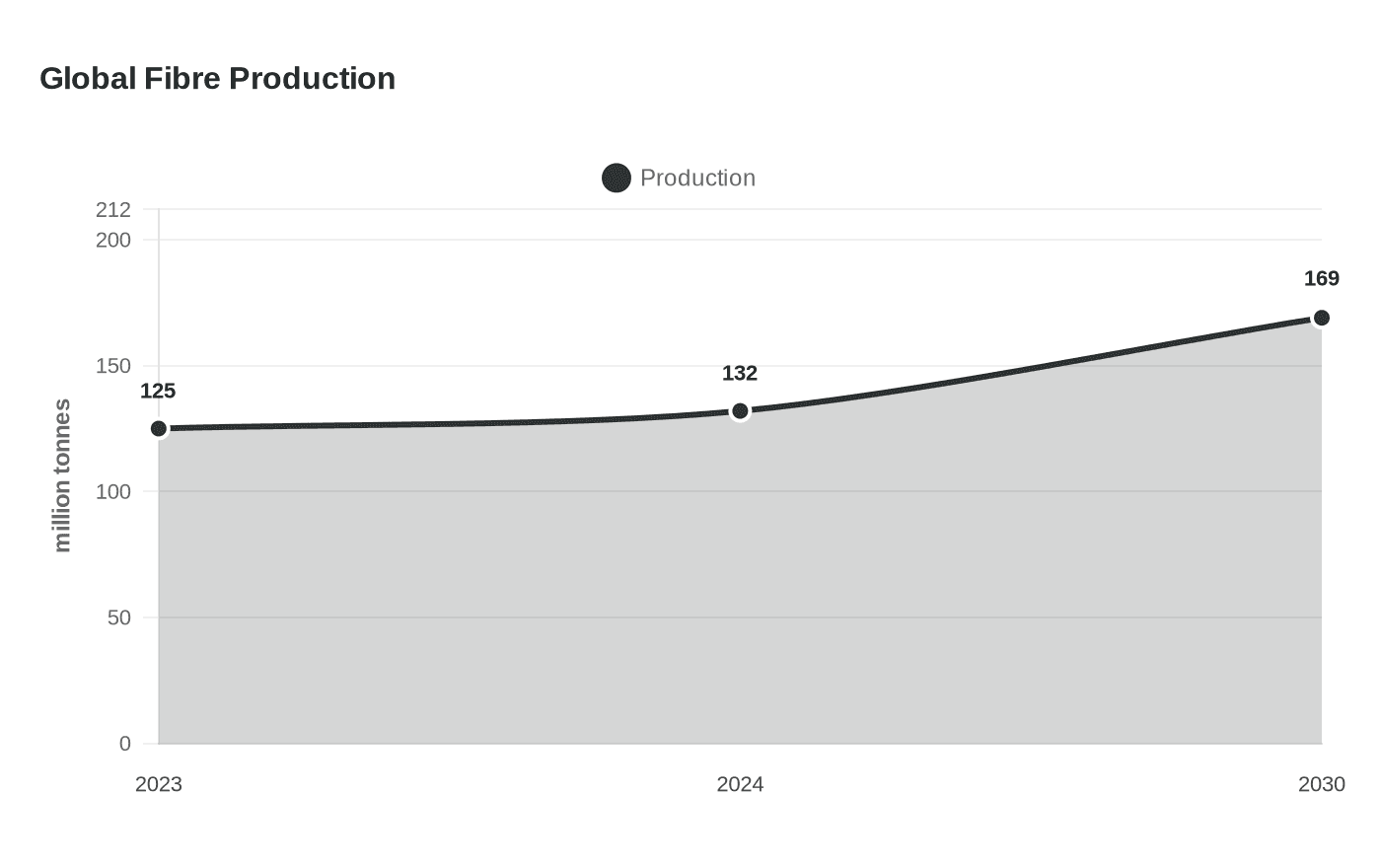
That imbalance is the real backdrop. Textile Exchange said global fibre production rose from 125 million tonnes in 2023 to 132 million tonnes in 2024, with polyester making up 59 percent of total output and 88 percent of that polyester still fossil-based. Business as usual could push total fibre production to about 169 million tonnes by 2030. In other words, the industry is not standing still while plant-based alternatives wait for their turn. The dominant system is still expanding, and it is doing so on a carbon-heavy footing.
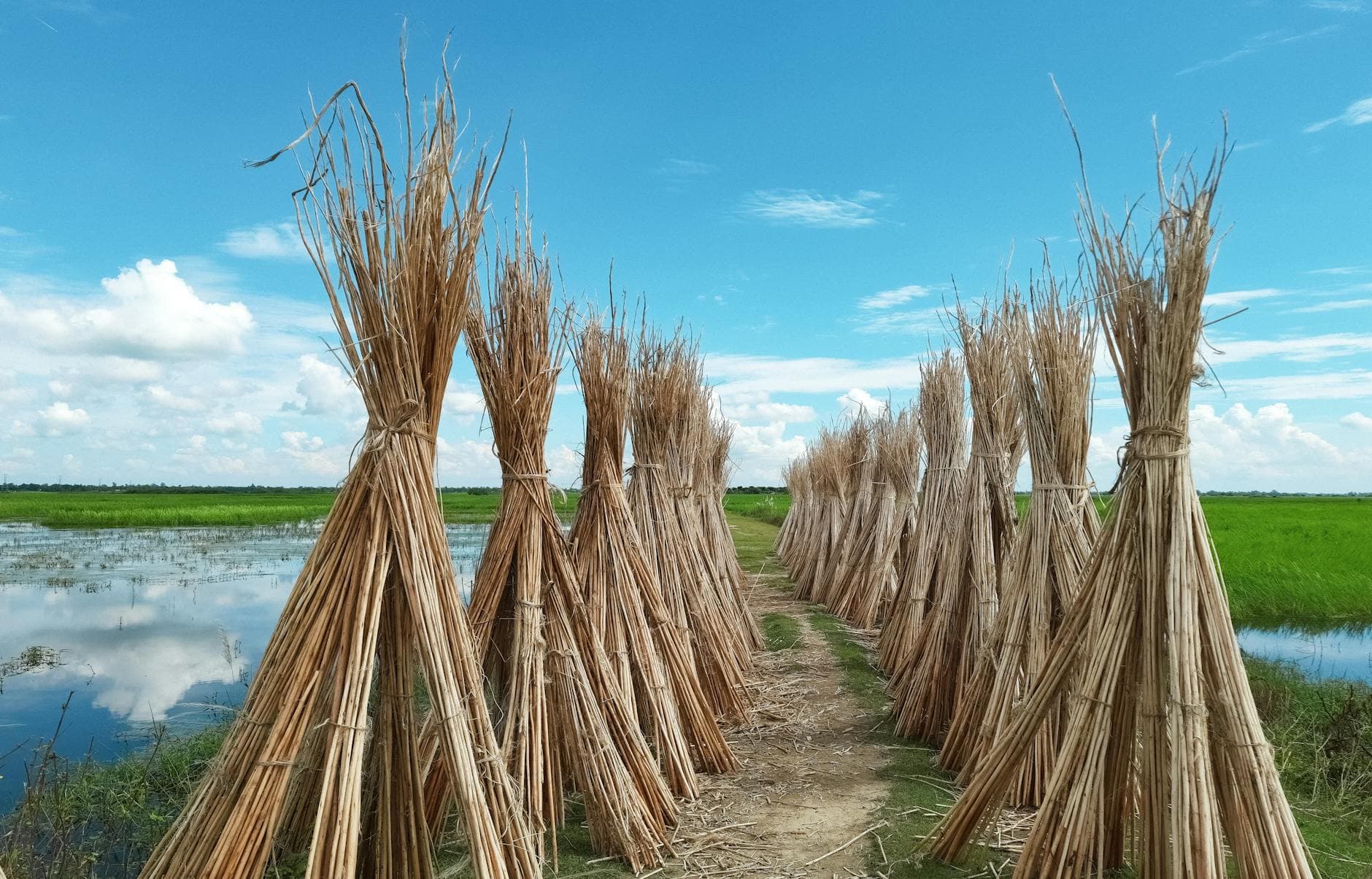
The constraint is not just demand. It is the plumbing of the supply chain. Underinvestment has left plant fibres fragmented, with too few scaled processors, too little financing for decortication, retting, pulping and spinning capacity, and too many farmers trapped in small, disconnected supply chains that cannot guarantee consistent volume or quality. The Discover Natural Fibres Initiative estimated world natural fibre production at 31.4 million metric tons in 2023, down about 600,000 tons from 2022, and said output has not increased over the last two decades because yields have stagnated. That is the kind of flatline that kills a materials story before it reaches the cutting table.
The FIBRAL Material Alliance was founded in February 2022 by Ananas Anam, Bananatex and Circular Systems to give plant-based fibres a stronger collective voice, and the group’s relevance now feels more industrial than symbolic. Its remit reaches beyond heritage fibres into abaca, pineapple leaves, oilseed flax and hemp, along with novel agricultural wastes and by-products. That matters because the cleanest feedstocks are often the ones already hanging in the balance of another crop cycle.
There is a credible case for some of these fibres if the infrastructure follows. The Food and Agriculture Organization of the United Nations says jute products require less energy and have a lower carbon footprint than plastic products, while abaca waste can be used as organic fertilizer. UNCTAD has pointed to banana and pineapple fibres as opportunities for agri-waste valorisation, with textile-grade pineapple leaf fibre in Kenya and spinnable banana pseudostem fibre in Uganda. The vision is clear enough. The missing piece is scale, and until processors, growers and investors build it, the promised one-third gain will remain a projection rather than a shift in the wardrobe economy.
This article was produced by Prism’s automated news system from verified source data, official records, and press releases, then run through automated quality and moderation checks before publishing. The system is built and supervised by the people who set the standards it runs under. Read our full AI policy.
Did this article answer your question?