Kuyichi marks 25 years, balancing denim sustainability and a difficult relaunch
Kuyichi’s 25-year run shows how organic denim can still fail the business test, with a big footprint, thin margins and a near-death bankruptcy.
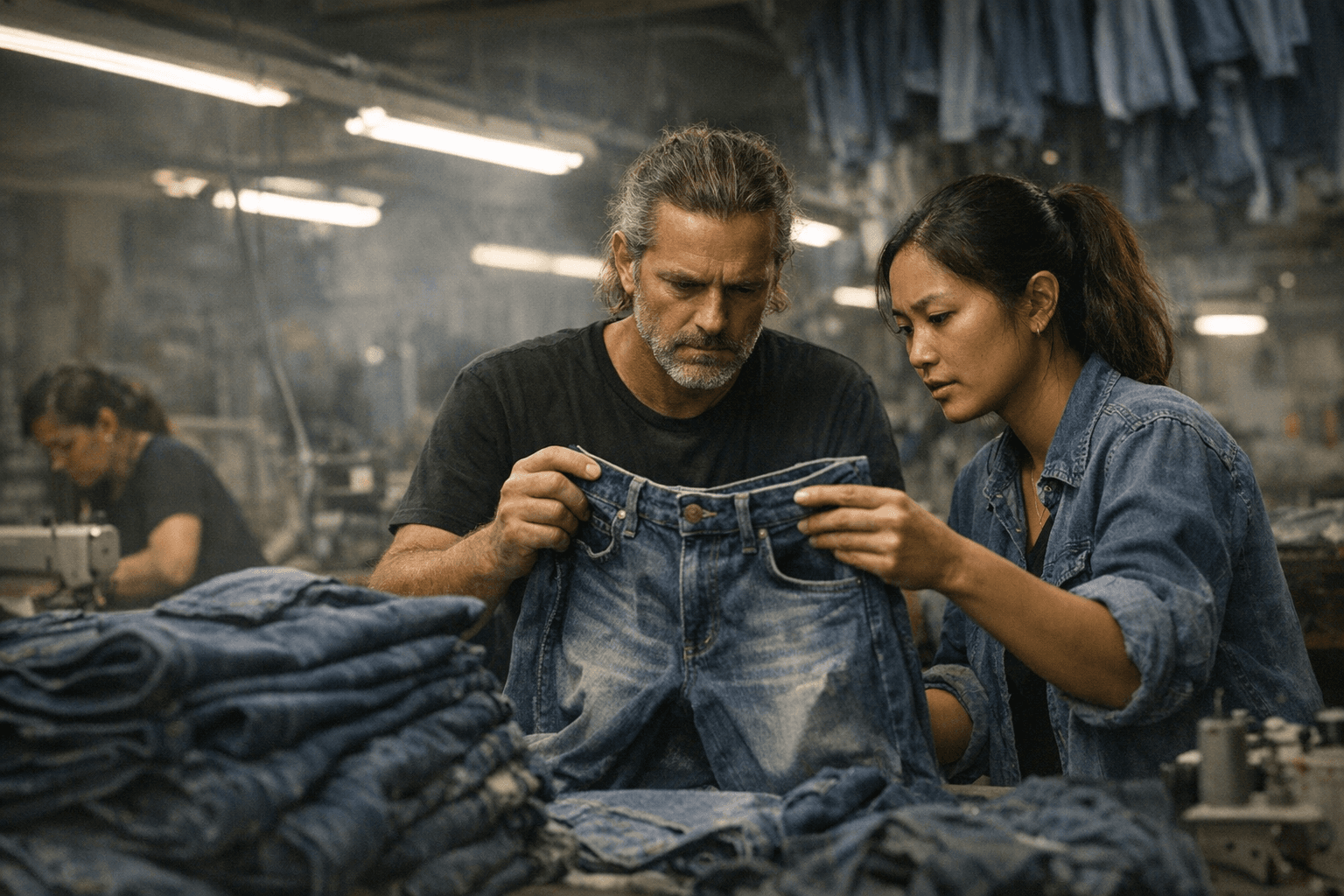
Kuyichi’s origin story starts in central Peru, where Solidaridad found pesticide exposure, polluted soil and water, and rough working conditions in the cotton fields. That discovery helped push the Dutch group to create a denim label in 2000 after existing brands would not buy the fiber, with the first collection arriving in 2001. Twenty-five years later, the lesson is sharper than the halo around the word organic: good intentions do not cancel out scale, cost pressure or a messy balance sheet.
The hard math matters. FashionUnited reported in 2023 that only about 1.4% of the world’s cotton was certified organic, a tiny share that explains why Kuyichi has leaned on cotton in conversion to help farmers survive the three-year transition to organic certification. The brand has also widened far beyond jeans, moving into shirts, jackets and other apparel, then testing recycled cotton, Tencel, linen and recycled polyester as it tried to keep the product mix relevant without abandoning its sustainability pitch. That is the modern denim problem in one sentence: sourcing gets cleaner only if the business can keep paying for the cleaner inputs.
Kuyichi has spent years trying to make that discipline visible. It joined the Fair Wear Foundation in July 2013, says it has published a sustainability report every year, and became fully vegan in 2016 by replacing leather patches with jacron made from recycled paper. Its 2024 sustainability-report page pushes the circular message further, highlighting a repair partnership with MENDED that returns repairs within ten days and gives shoppers a €10 discount on a future purchase. Those moves are useful because they shift the brand from preaching sustainability to showing process, turnaround time and aftercare.
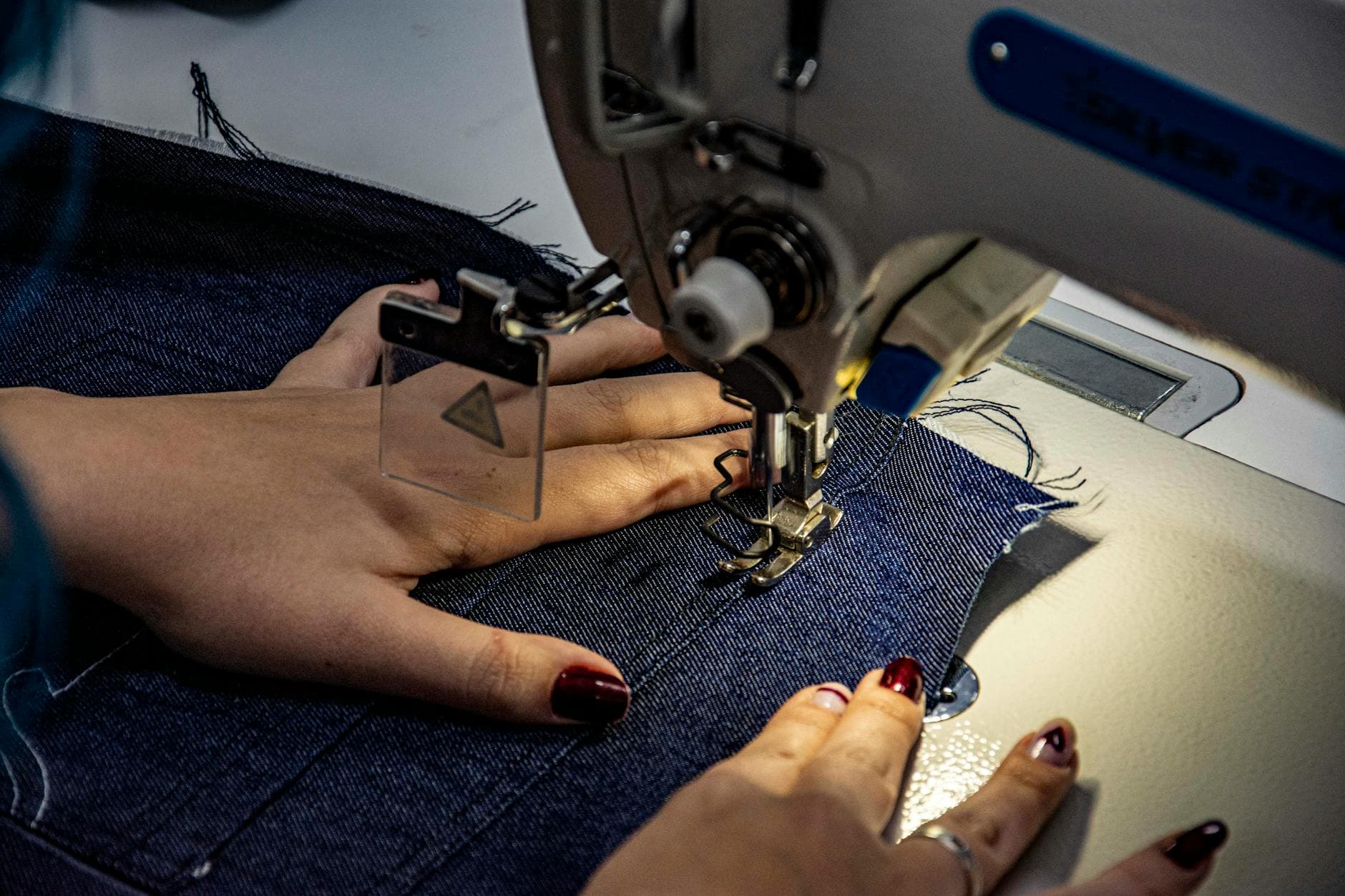
The brand’s bankruptcy is the cautionary part nobody should sand down. FashionUnited said Kuyichi ran into trouble in 2015 because overhead costs were too high, stores opened too early and leadership kept changing. The Spin Off reported in 2016 that it had filed for insolvency in December 2015 and was expected to stop operating in January 2016. Kuyichi was later relaunched by Peter Schuitema with Floortje Dessing and Guido Keff, and Laurent Safi and Bjorn Baars later bought stakes. That comeback is not a fairy tale. It is proof that sustainable denim has to work like a real business, not just a moral argument.
The next generation of labels should take the note in plain language: build around verified standards, not branding buzz; scale only when sourcing can follow; and treat repairs, transparency and conversion programs as part of the unit economics, not the garnish. Kuyichi made the pioneer move early. The tougher job was surviving long enough to make that move matter.
This article was produced by Prism’s automated news system from verified source data, official records, and press releases, then run through automated quality and moderation checks before publishing. The system is built and supervised by the people who set the standards it runs under. Read our full AI policy.
Did this article answer your question?


