Dutch campaigners sue Levi’s over misleading labour-rights claims in Turkey
A Dutch lawsuit says Levi’s sold an ethical image while a Turkish supplier faced violence, firings and blacklisting that campaigners say touched about 400 workers.
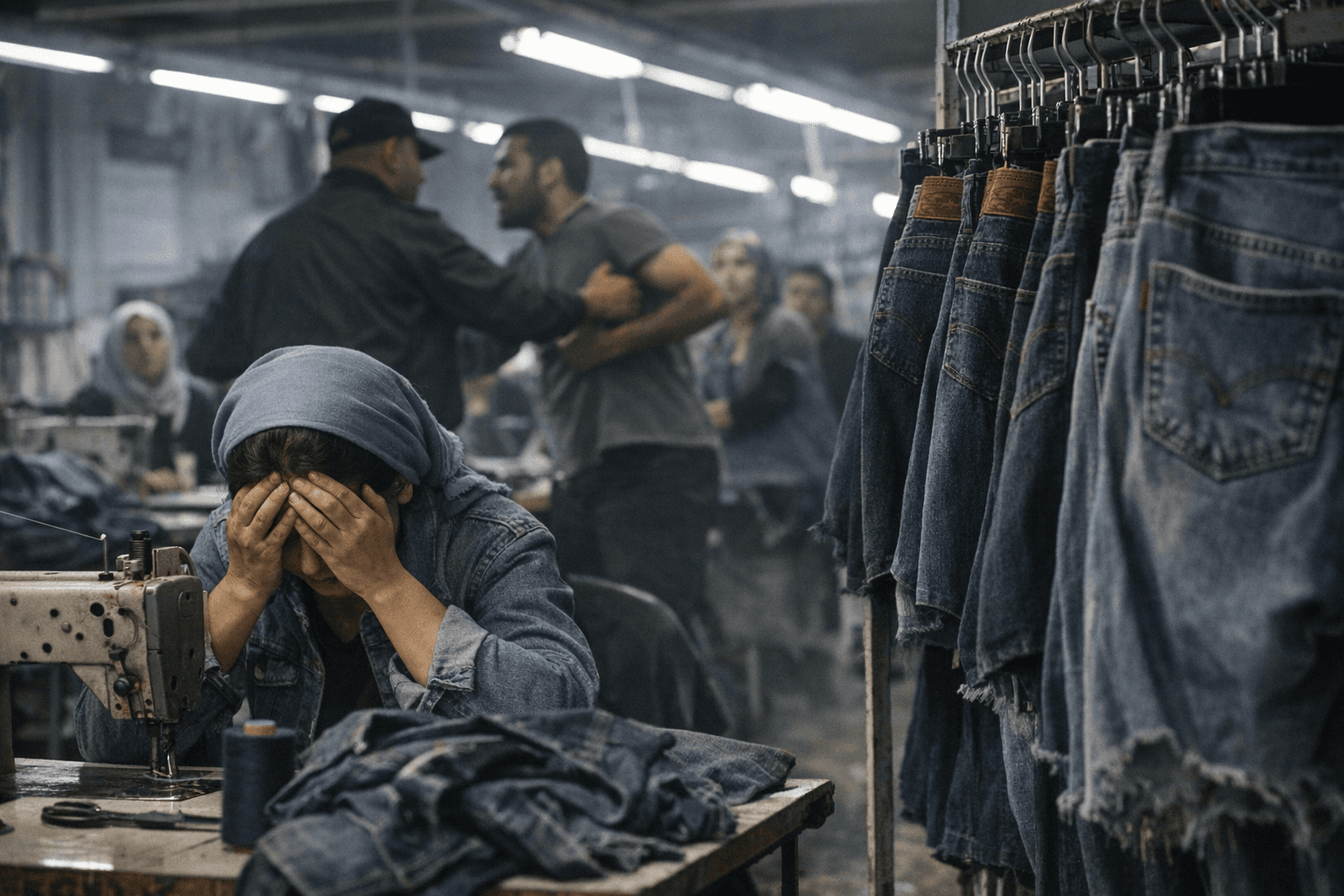
Levi’s carefully polished language about responsible production and respect for workers’ rights is now being tested in a Dutch court, where the Clean Clothes Campaign has accused the denim giant of turning a bitter labour dispute in Türkiye into a marketing story shoppers were never meant to question. The Dutch office of the campaign filed the case on 21 April 2026, with support from SOMO and four individual consumers, naming Levi Strauss Nederland B.V. and Levi Strauss & Co Europe BV under Dutch consumer law.
At the centre of the dispute is Özak Tekstil, also known as Özak Global, in Şanlıurfa, where campaigners and the Worker Rights Consortium say the factory produced exclusively for Levi’s. According to their account, the conflict sharpened in 2023 when workers protested for better conditions and union rights, only to face retaliation that campaigners say turned violent. By 2024, the Worker Rights Consortium said roughly 400 workers had been caught up in severe repression, including mass firings, arrests, threatened and actual violence, wage theft and blacklisting.
That investigation went further, saying Özak Tekstil breached Turkish labour law, international labour standards and Levi’s own supplier code of conduct. The legal argument now being pushed in the Netherlands is not simply that abuses occurred in a distant supply chain, but that Levi’s consumer-facing claims about ethics, rights and responsible production created a misleading impression for Dutch shoppers buying into the brand’s image. The Clean Clothes Campaign says consumers only became aware of the alleged mismatch in 2025, when it launched a campaign spotlighting the Turkish factory dispute.
The case is being described by the Clean Clothes Campaign as groundbreaking because it shifts the fight from factory gates to the language brands use to sell denim in Europe. That matters in a sector where washed indigo, rugged seams and heritage branding often carry as much emotional weight as the jeans themselves. If a major label can speak fluently about freedom of association while a single-buyer supplier is accused of mass firings and blacklisting, the real question is not just what happened in Şanlıurfa, but who has to prove that sustainability claims are more than a clean label on a hard-edged supply chain.
This article was produced by Prism’s automated news system from verified source data, official records, and press releases, then run through automated quality and moderation checks before publishing. The system is built and supervised by the people who set the standards it runs under. Read our full AI policy.
Did this article answer your question?


