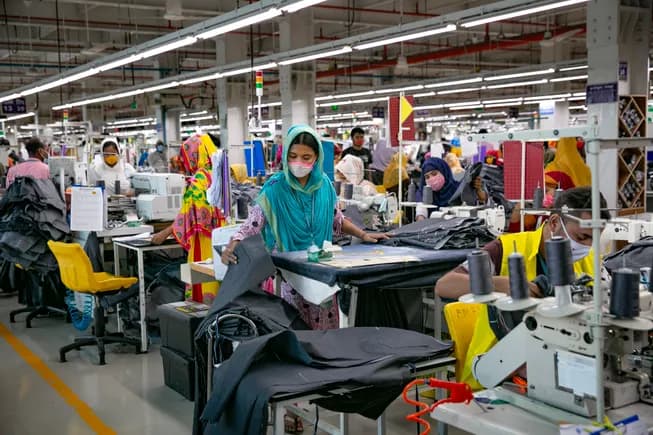
Dutch denim brands mix provocative ads with sustainability-driven craftsmanship
Dutch denim is betting that bold ads can sell responsibility, but the brands that last are the ones offering repair, leasing and real craft.
Why Dutch denim keeps reaching for the camera
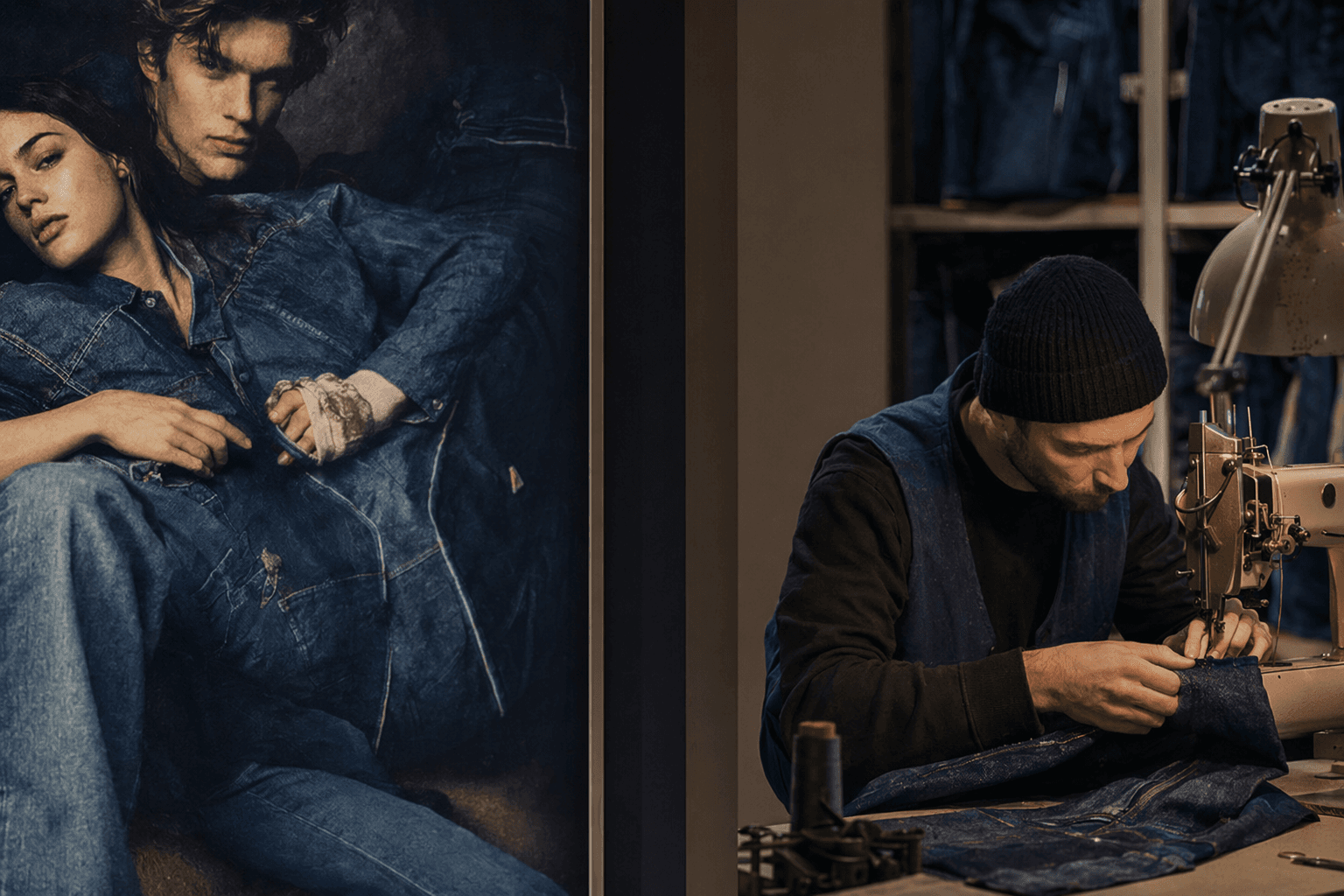
The Dutch denim scene knows how to make noise, but the labels with staying power are the ones that can back up the flash. In a market the Netherlands has helped flood with major names like G-Star, Denham, Kings of Indigo, Kuyichi and MUD Jeans, attention is expensive, and reputation is everything. Dutch denim still tends to present itself as a no-nonsense industry, built on quality, craftsmanship and sustainability, which is exactly why some brands lean into provocative advertising without going fully off the rails.
That tension is the story here: can a headline-grabbing campaign help ethical denim break through, or does it risk turning responsibility into just another branding device? The answer depends on what follows the ad. A sexy image may win the first glance, but denim that earns loyalty usually does it through fit, finish and a clearer value proposition than a clever shock tactic can provide.
Provocation is a familiar denim language
Dutch brands are not inventing provocative denim marketing from scratch. FashionUnited places the current moment in a longer lineage that runs through Calvin Klein’s audacious campaigns in the 1980s and 1990s, and more recently an American Eagle campaign featuring Sydney Sweeney. That history matters because denim has always sold more than fabric. It sells attitude, sex appeal, rebellion and, when brands are smart, identity.
But there is a difference between provocation as a shortcut and provocation as a doorway. In a crowded market, a splashy campaign can help a responsible brand get noticed. It can also distract from the harder work of proving the jeans are worth buying in the first place. The Dutch labels that seem most convincing are the ones that use the camera to frame substance, not replace it.
Denham keeps the focus on cut, heritage and quality
Denham, founded in Amsterdam in 2008 by British jeans maker Jason Denham, sits squarely in that more disciplined lane. Its message is not built on gimmickry so much as on craftsmanship, heritage and quality, the kind of language that works because it is attached to the product itself. That matters in denim, where details are visible in every seam, rivet and wash.
The appeal of this approach is obvious: it gives shoppers something more concrete than a campaign image to hold onto. A well-made pair of jeans becomes the proof point. In a market where sustainability claims are everywhere, craftsmanship still feels like the most durable form of credibility because it is visible, tactile and hard to fake.
Kuyichi turns sustainability into a long-running story, not a slogan
If Denham sells the idea of the expertly made jean, Kuyichi sells the idea that sustainability can be the core narrative, not an add-on. The brand is marking 25 years of sustainable denim, and its origin story reaches back to Solidaridad’s work in Peru, where the organization went to Lima in 1998 to understand what was happening in the cotton industry. Kuyichi says its beginnings were tied to a radical push to bring organic cotton from Peru into fashion, connected to the fair-trade ecosystem around Max Havelaar.
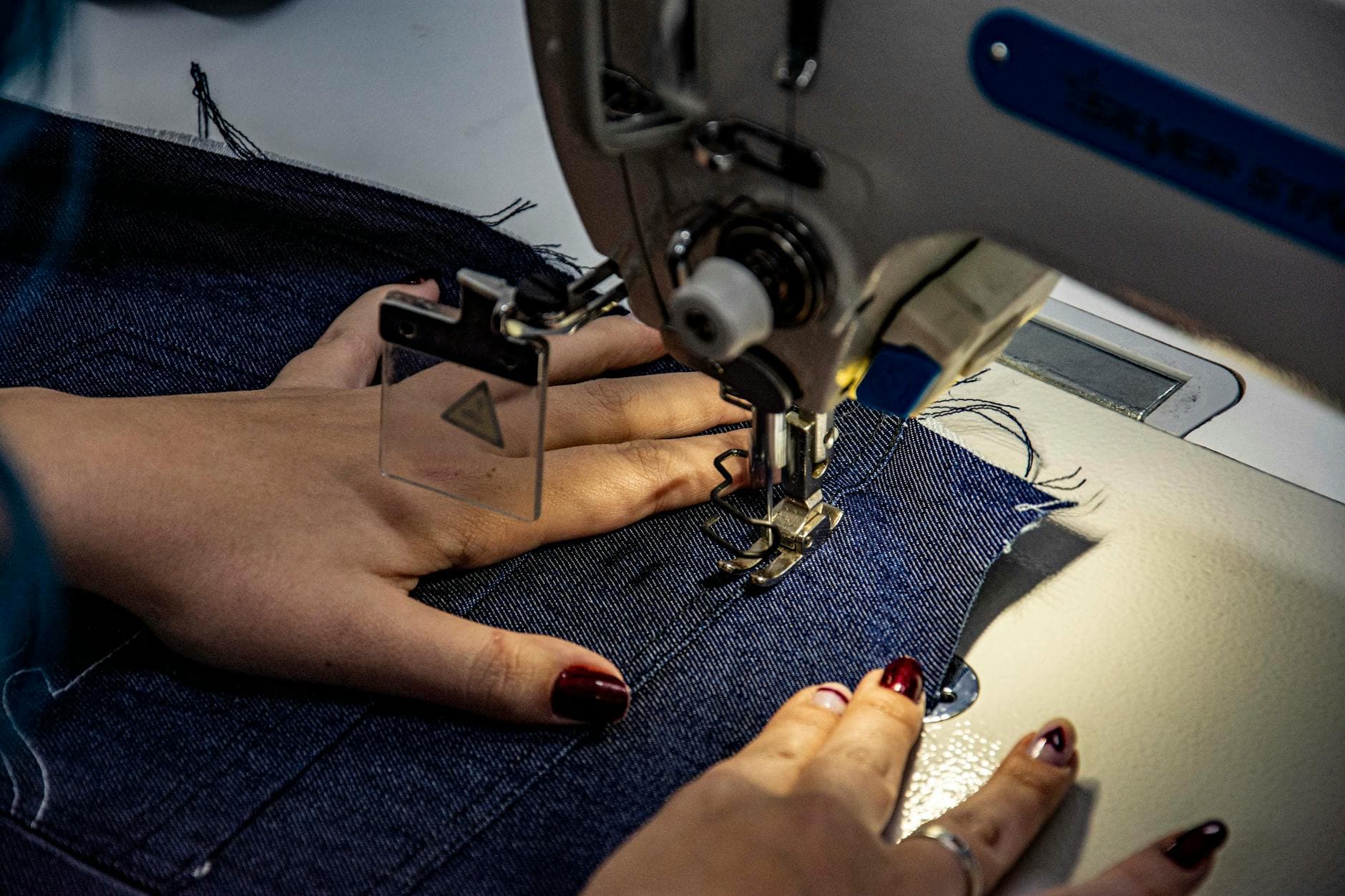
That history gives Kuyichi a kind of moral texture many newer sustainable labels cannot match. The brand says it started producing 100 percent organic denim for men and women in 2001, later expanding into denim shirts and jackets. Since 2016, it has been completely vegan, swapping leather patches for jacron made from recycled paper. That is the sort of detail that lands with shoppers because it is specific: not just “better denim,” but a defined material shift you can trace from patch to pocket.
Kuyichi’s own anniversary line, “Our story didn’t begin with a product. It began with a moment of astonishment,” captures the brand’s mood well. It is romantic, yes, but it is also practical. The label’s longevity makes its sustainability message feel less like a campaign and more like a business model that has had to survive changes in taste, pricing and consumer skepticism.
MUD Jeans makes circularity visible in everyday life
MUD Jeans, founded in 2013 by Bert van Son, takes a different route. Instead of asking shoppers to believe in circularity as an abstract virtue, it turns the idea into a service. Customers can lease jeans for a monthly fee, and after a year they can return them, swap for a fresh pair or keep them. The company says it also offers free repairs and takes back old jeans for recycling.
That model is easy to understand, which is precisely why it works. It changes what ownership feels like: jeans are no longer a one-and-done purchase but part of a loop. For someone trying to build a more responsible wardrobe, that is a tangible shift in behavior, not just an ethical aspiration.
Industry references also describe MUD Jeans as using up to 40 percent post-consumer recycled cotton, along with major reductions in water use and CO2 emissions compared with industry standards. Those numbers matter because they push the conversation beyond branding. The company’s first flagship store in central Amsterdam signals another turn: MUD Jeans is not only selling circularity, it is trying to make it look desirable in the middle of a fashion capital, which is a very different challenge from preaching to the converted online.
What these brands say about the next phase of sustainable denim
The smartest takeaway from Dutch denim is not that shock value works or that craftsmanship always wins. It is that the brands cutting through are the ones grounding their message in something you can see, wear or return. A provocative ad may pull attention, but organic cotton from Peru, vegan jacron, free repairs, leasing and recycling give that attention somewhere to go.
That is the next phase of sustainable fashion advertising in miniature. The clothes have to look good, of course. But the story has to be more than a mood board. In Dutch denim, the labels that feel most persuasive are the ones that understand the modern shopper wants style first, and proof right behind it.
This article was produced by Prism’s automated news system from verified source data, official records, and press releases, then run through automated quality and moderation checks before publishing. The system is built and supervised by the people who set the standards it runs under. Read our full AI policy.
Did this article answer your question?