Fashion Revolution Week 2026 Calls for Transparency, Accountability, and Action
Ask brands who made your clothes, then watch how many answers stop at the factory door. Fashion Revolution Week turns transparency into a real accountability test.
The question that still matters
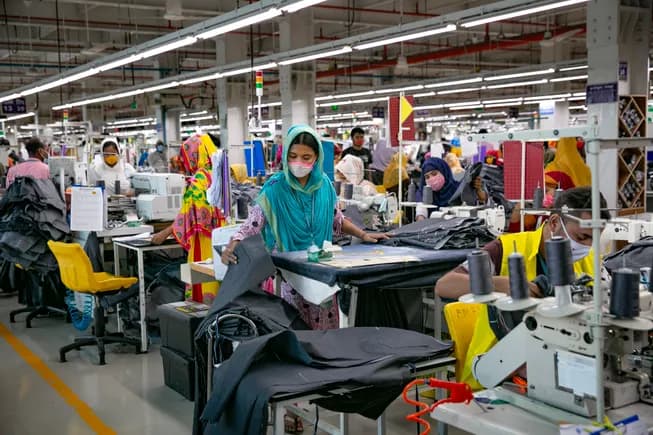
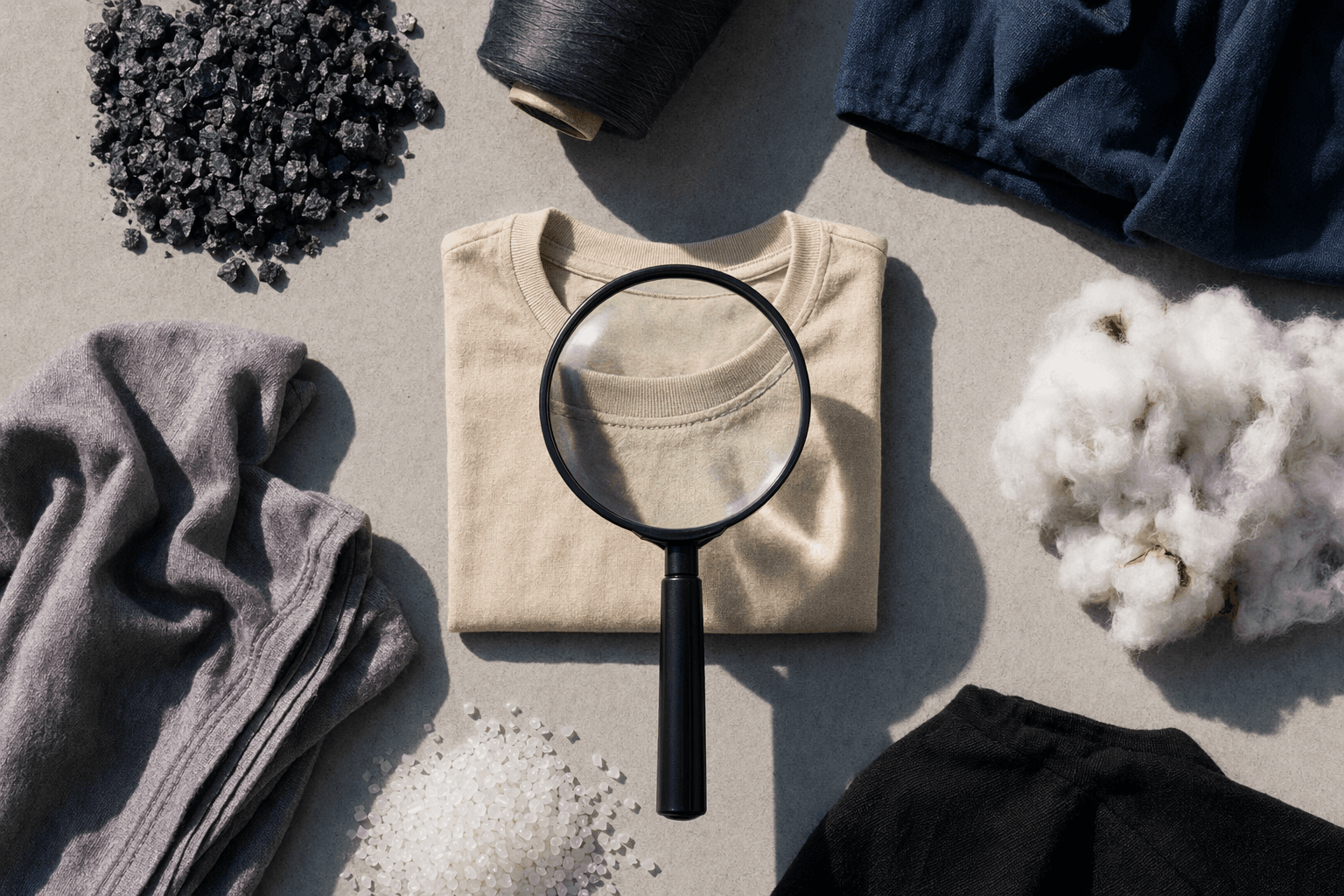
Ask a brand one blunt question: “Who made my clothes?” That is the point of Fashion Revolution Week 2026, which runs from April 22 to 28 and lands right on Earth Day before building toward the industry’s most loaded date, April 24. This year’s theme, “reclaim the collective,” is not soft-focus activism. It is a call to stand united, ask harder questions, and drag the supply chain out of the shadows.
Fashion Revolution wants the week to feel public, visible, and a little uncomfortable, which is exactly the right mood. Fashion is still a business that loves polished sustainability language, but transparency is the real test. If a brand cannot clearly explain who made a garment, where it was made, and what happened along the way, all the recycled-copywriting in the world does not make it responsible.
Why April 24 still runs through the whole campaign
The reason this week matters is not abstract. Fashion Revolution was born in response to the Rana Plaza disaster on April 24, 2013, in Savar, Bangladesh, where more than 1,100 people were killed and about 2,500 more were injured. The building housed garment factories employing around 5,000 people, most of them young women. Fashion Revolution calls it the fourth largest industrial disaster in history, and that scale is exactly why the anniversary still feels like a reckoning, not a commemoration.
That origin story still shapes the movement’s tone. Fashion Revolution did not emerge to make the industry feel better about itself. It emerged because the cost of speed, opacity, and cheap clothes turned deadly. When a campaign starts there, every glossy claim about ethics has to earn its place with evidence.
The movement has grown into a decentralized global network across 75 countries, working through country offices and partners to push cultural, industry, and policy change. That reach matters because this is not just a United Kingdom conversation or a niche sustainability corner. It is a worldwide pressure system, built to keep the same questions alive across markets, brands, and supply chains.
What transparency actually means now
Fashion Revolution has focused on transparency since 2014, and that history matters because the goal is not simply to expose a factory list. The organization created the Fashion Transparency Index to help people scrutinize brands’ policies, hold them accountable, and push for change. That is the part shoppers can use: not a vague promise, but a way to compare what brands say with what they are willing to disclose.
This is where the consumer action becomes concrete. Ask the question, then do not settle for a slogan-sized answer. A real response should get beyond “made responsibly” and move toward specifics: named suppliers, clearer sourcing, labor standards, and a plan that goes beyond the storefront story.
What to ask, and what counts as an answer
The cleanest move is still the simplest one. Ask the brand who made your clothes, then keep going until the answer tells you something useful.
- Where was this garment cut and sewn?
- Who are the suppliers behind it?
- What is the brand saying about wages, not just working conditions?
- Does the brand acknowledge subcontracting, or does the trail go dead the moment production gets complicated?
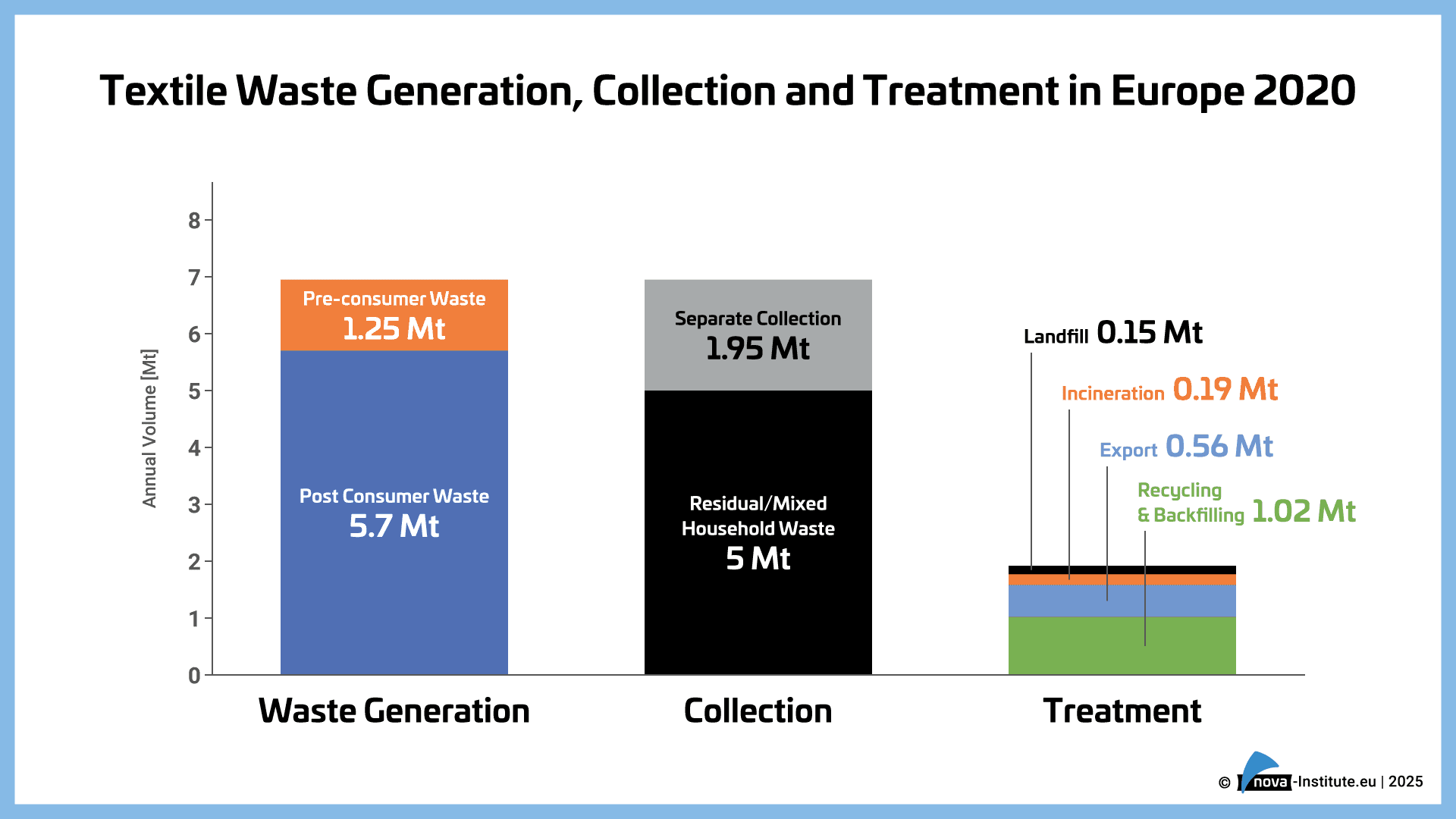
- What happens to textile waste when the season is over?
If a brand can name a factory but refuses to say how it monitors wages, that is not full transparency. If it can talk about fabric but not subcontractors, the story is still incomplete. And if it celebrates a “circular” mood while never explaining where waste goes, the promise is mostly styling.
Fashion Revolution’s point is that disclosure is the foundation for systemic change. That is why the Fashion Transparency Index still matters: it gives shoppers a way to stop treating sustainability like a vibe and start treating it like an evidence trail.
Why Mend In Public Day is the best visual argument
On April 25, Fashion Revolution will mark Mend In Public Day, a collective action day built around repairing clothes in public. It is a smart kind of protest because it looks like everyday life, only more honest. A needle flashing over denim, a patch pulled tight on a sleeve, a sweater getting a second life in daylight, that is the opposite of disposable fashion theater.
The message is sharp: clothes are not meant to be worn once, photographed, and forgotten. Repair slows the churn, and it turns care into something visible. When you mend in public, you are making an argument with your hands that is hard for the industry to shrug off.
That matters because the sustainability conversation often gets swallowed by branding, while repair stays stubbornly practical. A hem fixed is a garment kept in circulation. A ripped seam stitched back together is one less item pushed toward waste. In a season built around accountability, mending is not cute. It is a refusal.
The week’s other useful tool is the data
Fashion Revolution also released an Industry Overview and Statistics guide ahead of the week, which is exactly the kind of material that makes these conversations harder to dismiss. Numbers give the movement teeth. They let you compare claims, spot gaps, and see where transparency stalls out even when the marketing sounds polished.
That is the real shift here. Fashion Revolution Week is not asking you to love sustainable fashion in theory. It is asking you to use one question, one index, one repair day, and one set of numbers to hold the industry to account in public. The clothes on your back come from somewhere, and the point of the week is to make sure fashion can finally say where.
This article was produced by Prism’s automated news system from verified source data, official records, and press releases, then run through automated quality and moderation checks before publishing. The system is built and supervised by the people who set the standards it runs under. Read our full AI policy.
Did this article answer your question?