Good On You spotlights ethical men’s activewear with lower-impact materials
Men’s activewear is now the proving ground for recycled fibers, labor checks, and real sweat-test performance. The catch is whether the gear can handle the wash cycle too.
The men’s activewear closet just became a climate story
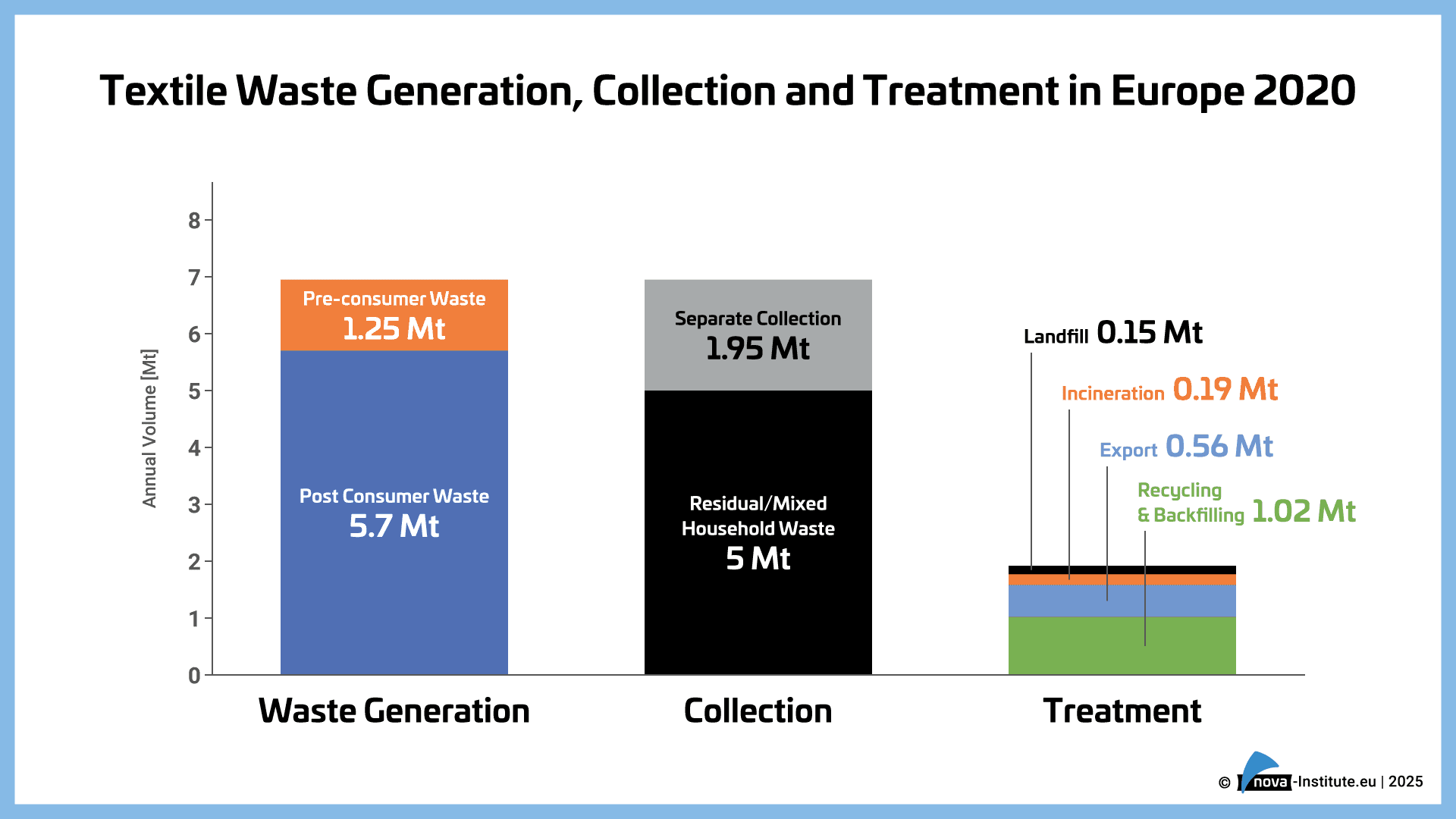
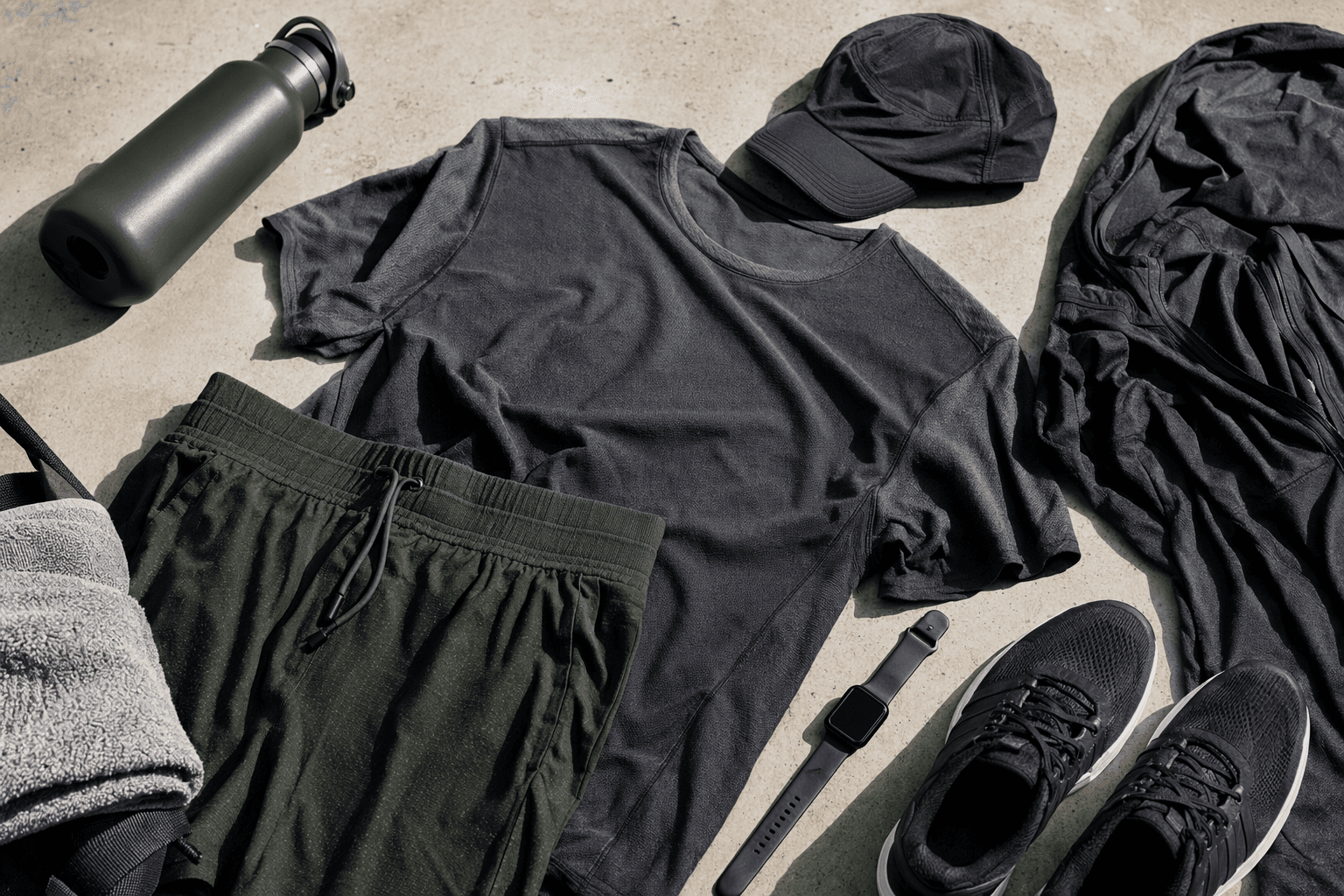
Men’s activewear is no longer just about a fast-dry tee and a waistband that stays put. It has become the category where performance, labor standards, and fiber chemistry collide, because the same synthetic traits that make a top wick sweat and a jogger keep its shape also make them part of the plastic problem. When synthetic fibers already account for 69% of textile production and could rise to 73% by 2030, the gym bag starts looking less like a style accessory and more like a pollution checkpoint.
That shift matters because the stakes are not abstract. The apparel industry generated 8.3 million tonnes of plastic pollution in 2019, and polyester alone produced 125 million tonnes of CO2e emissions in 2022. A 2026 review found that the textile industry contributes 49 to 70% of microplastics to global wastewater through fibers like polyester, nylon, and acrylic. In other words, the shirt you run in is part of the same system that is putting pressure on air, water, and landfill all at once.
Why this category is finally under the microscope
Good On You’s men’s activewear roundup lands right in that pressure point. It is aimed at people shopping for menswear or activewear labeled for men, but the reminder tucked inside the frame is sharper than the category label: clothes have no gender, and the directory filters work regardless of how the garment is marketed. That matters because ethical fashion has long been pitched more heavily to women or femme-presenting shoppers, while men have often been told that a black compression tee is somehow above scrutiny.
Activewear is a tricky place to draw a clean line, because conventional sportswear leans hard on virgin polyester and nylon, plus chemical treatments for stretch, durability, and water- or wind-resistance. That engineering is why your clothes move with you, hold up on repeat wear, and survive a brutal spin cycle. It is also why this category has become the best test case for whether sustainability can survive contact with actual sweat, abrasion, and weather.
What lower-impact really means when you are training hard
Good On You points shoppers toward lower-impact materials rather than pretending there is one magic fabric that does everything. The roundup highlights bamboo, TENCEL, organic cotton, more ethically sourced merino wool, and recycled polyester as alternatives to virgin fibers. That mix matters because different workouts ask for different things. You want stretch and recovery for the gym, breathability for yoga, warmth without bulk for hiking, and the fastest possible dry time when the route or the pool gets serious.
The trade-offs are real, and that is what makes this market shift worth watching. Recycled polyester is still polyester, but it lessens dependence on petroleum as a raw material. Organic cotton feels easier on skin and reads softer on body, but it is not the sharpest answer for high-sweat sessions. Merino brings temperature control and a cleaner wear cycle for longer days outside, while TENCEL and bamboo can give that smooth, fluid handfeel that makes a base layer disappear under a jacket.
Secondhand also belongs in the conversation. Good On You’s broader activewear guide recommends buying used where possible, and that is the least glamorous but often smartest answer for simple layers, warm-up pieces, and accessories. The catch is that performance gear ages differently from denim or tailoring. Once the stretch goes, once the inner surface pills, or once the fit warps, the garment stops doing the one thing you bought it for.
The brands that show how the claim gets tested
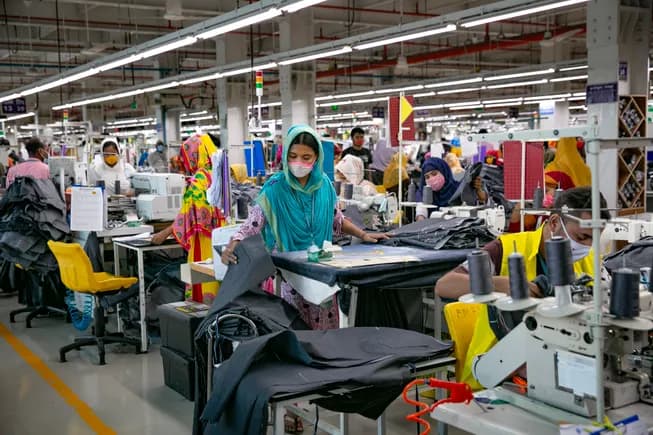
This is where brand claims need a sharp eye. Patagonia is a useful example because it has pushed its material shift far beyond a marketing sentence. The company says preferred materials make up over 80% of its line by weight and appear in 99% of products, and it says recycled polyester reduces dependence on petroleum as a raw material. That is the kind of scale that changes the conversation, because it suggests material reform is not a capsule collection gimmick, it is a system decision.
Outerknown is another marker of where the category is headed. Good On You identifies the brand as Bluesign certified and notes its partnership with the Fair Labour Association, which gives its ethical claims a labor backbone instead of just a fiber story. The fact that Kelly Slater founded the brand matters less as celebrity gloss than as cultural shorthand. This is surf-world credibility being used to sell a cleaner supply chain, which is a lot more interesting than another logo-heavy gym drop.
Fair Wear sits in the wider labor picture as well. It is an independent, non-profit organization focused on improving conditions for workers in garment factories, and that kind of outside accountability is essential if activewear wants to be trusted beyond its recycled-content labels. Labor is where a lot of sustainability language gets slippery, and it is the first place shoppers should look when a brand starts talking big about ethics.
How to read ethical performance gear without getting spun
Good On You’s own rating system is built to help here. It evaluates 2,000 fashion brands, rates them on labour, environment, and animals, and updates those assessments regularly using transparent, evidence-based criteria with stakeholder input and expert research. That matters because “good” in activewear should not mean a pretty hangtag. It should mean the brand can show its work across materials, labor, and environmental impact.
- Reach first for recycled polyester when you need stretch, recovery, and fast-dry performance.
- Look to more ethically sourced merino wool, TENCEL, bamboo, and organic cotton when the workout is less punishing or the weather calls for softer layers.
- Treat microfiber release as part of the cost of ownership. Virgin polyester and nylon are still the biggest offenders here, and every wash is part of the pollution equation.
- Use secondhand when the category allows it, especially for hoodies, warm-up layers, and low-structure pieces that do not depend on perfect elasticity.
The larger shift is not that activewear has suddenly become pure. It is that the category can no longer hide behind performance language while ignoring the material and labor systems underneath it. If a men’s training kit can wick sweat, survive hard wear, and move away from virgin synthetics without pretending the problem is solved, that is real progress. The market is starting to ask for gear that performs under pressure, and now it has to answer under scrutiny too.
This article was produced by Prism’s automated news system from verified source data, official records, and press releases, then run through automated quality and moderation checks before publishing. The system is built and supervised by the people who set the standards it runs under. Read our full AI policy.
Did this article answer your question?