Early DPP adopters still struggle to trace textile supply chains
Armedangels has QR-coded every garment since spring 2025, yet still only tracks 33% of its products to raw materials as the EU’s textile passport rules loom.
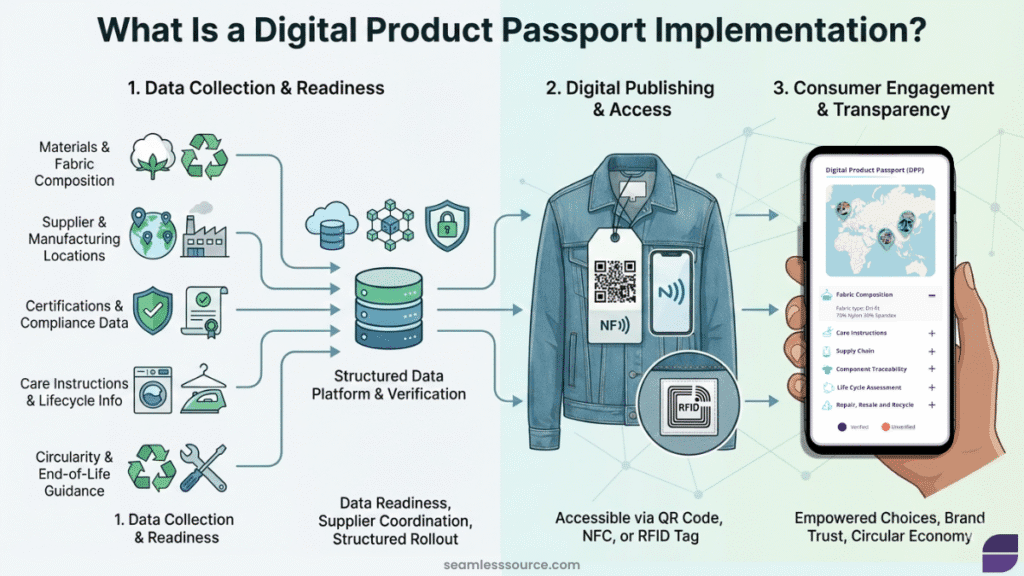
Armedangels has put a QR code on every garment since spring 2025, but even with that rollout in place, the brand still only has full transparency down to raw materials for 33% of its products. The gap is at Tier 2 and below, where mill records, fiber origin and subcontracting layers remain too fragmented to stitch into a clean digital trail.
Under the European Union’s digital product passport, the DPP is a digital identity card for products, components and materials. The Commission will electronically register, process and share product information across supply-chain businesses, authorities and consumers. For textiles, the rules are not yet fixed: the Commission has set an indicative implementation window of Q3 to Q4 2027, with the exact requirements still to be written into a future delegated act.
Its passport carries nine data points, including composition, certifications, care instructions, manufacturer and subcontractors, material suppliers, production country, recycled content, recyclability and microfiber presence. The company has transparency to Tier 2 for 100% of its products, and its DPP reduced carbon data uncertainty by 7.4%, but individual carbon data is still in progress.
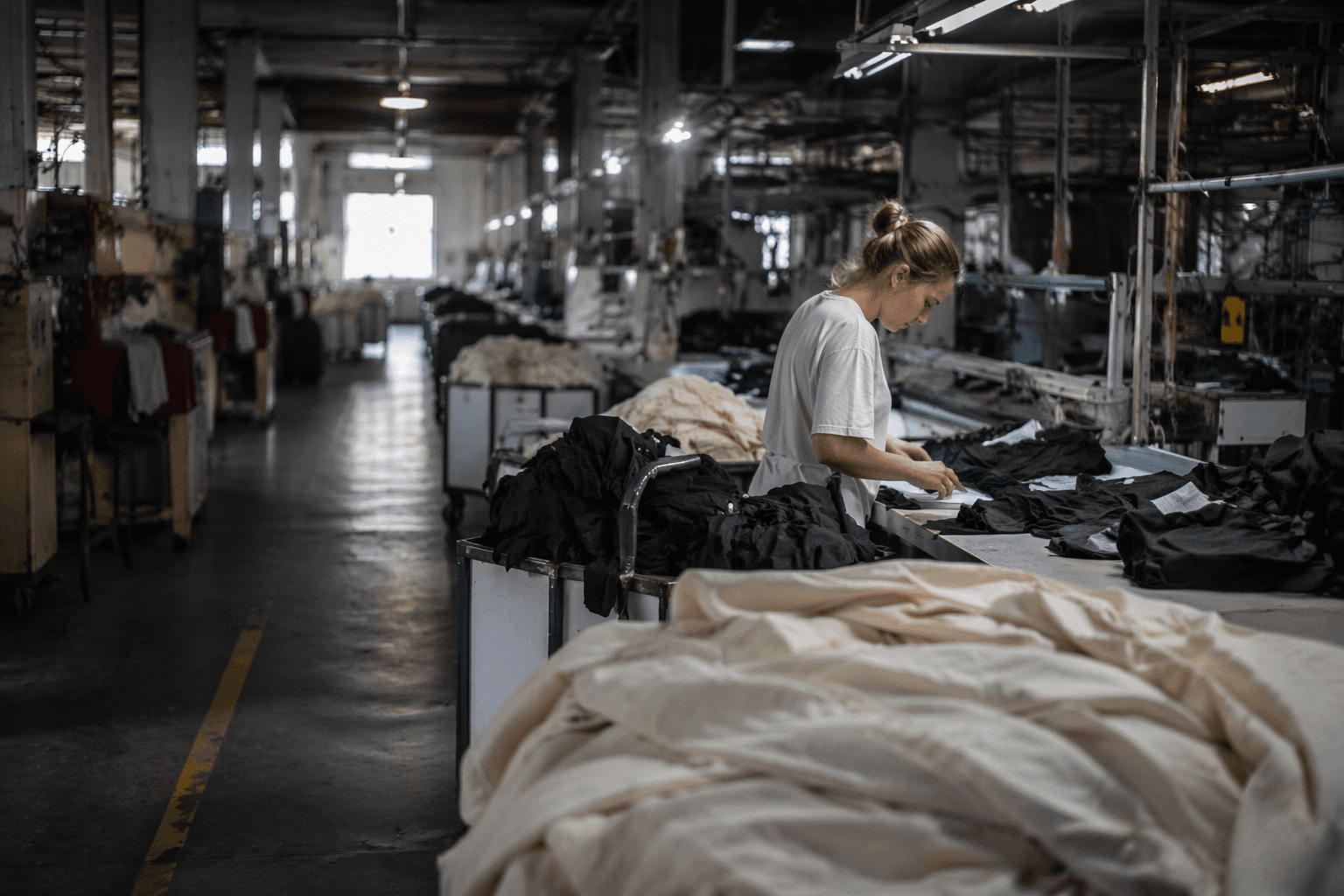
Textile DPPs may affect manufacturers, producers and importers placing products on the EU market, while also serving retailers, consumers, repairers, reuse operators, recyclers and public authorities. They can carry care and repair information, resale and recycling guidance, and traceability documentation, but they cannot standardize supplier records or force every tier to use the same data format.
A June 2024 European Parliament study, based on a survey of more than 80 stakeholders, linked the model to stronger traceability, circularity and transparency across one of Europe’s largest manufacturing ecosystems. A Certilogo survey showed shoppers want higher traceability, better textile-waste management and more education, and are prepared to use DPPs for second-hand and repair. Batteries will be the EU system’s first hard test on 18 February 2027, and textiles remain in the preparatory phase.
This article was produced by Prism’s automated news system from verified source data, official records, and press releases, then run through automated quality and moderation checks before publishing. The system is built and supervised by the people who set the standards it runs under. Read our full AI policy.
Did this article answer your question?