What Fairtrade and GOTS labels really prove on clothing tags
Fairtrade, GOTS, and OEKO-TEX do not prove the same thing. One tracks labor and traceability, one certifies organic processing, and one mainly tests for harmful substances.
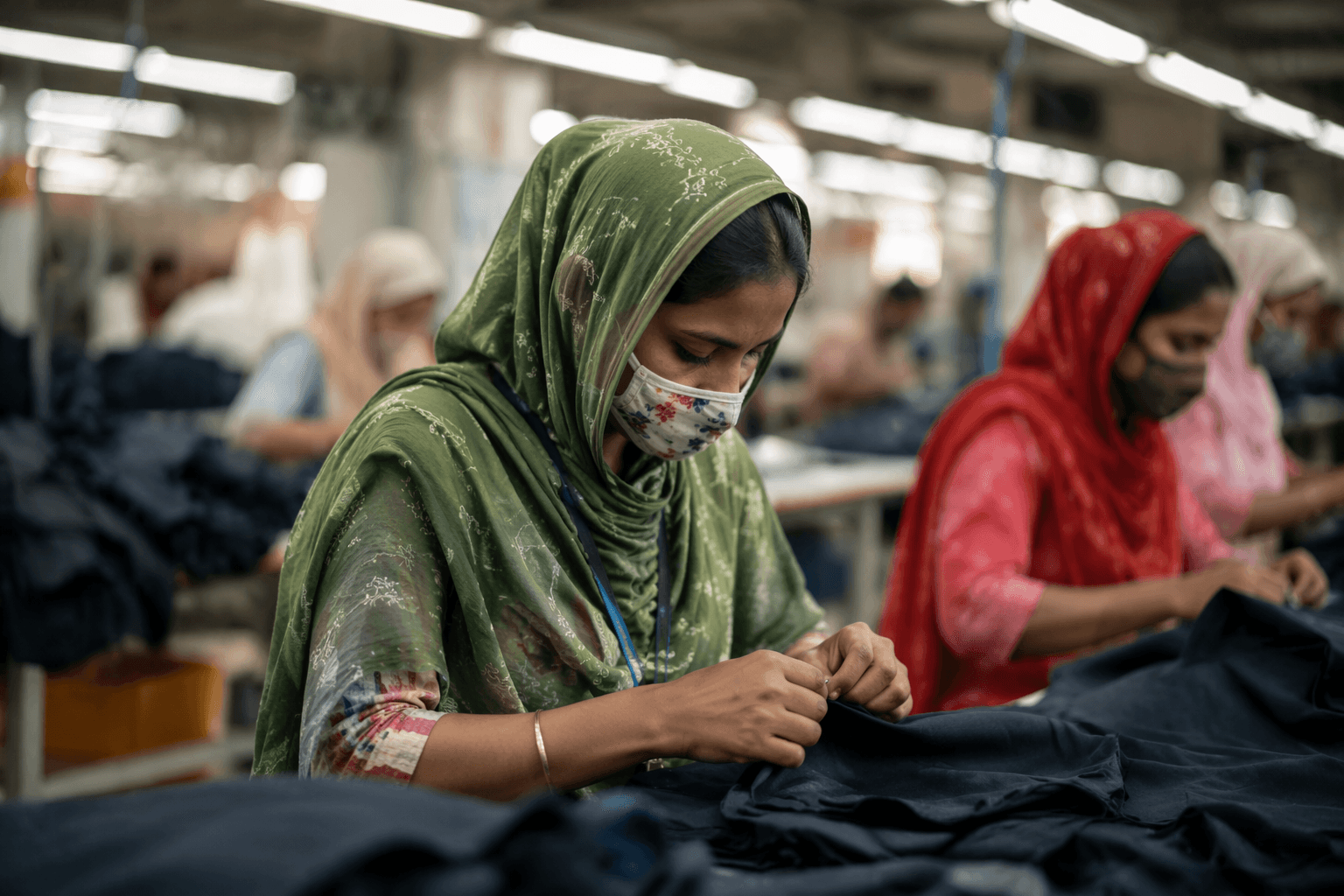
A Fairtrade, GOTS, or OEKO-TEX tag on a T-shirt usually proves only one slice of the story. Fairtrade, GOTS, and OEKO-TEX sit on clothing for very different reasons, and the smartest read is to ask what layer of the garment each one actually polices: labor, fiber, chemicals, or supply-chain control.
What a certification really covers
The first thing to clock is that certifications are not all built on the same terrain. Some attach to a product, some to a factory, and some follow only part of a supply chain. Certifications are evidence-backed verification, not a mood ring for “good” fashion.
A label can be doing one very specific job while the brand language around it tries to imply something much larger. A label that proves fiber origin is not the same thing as a label that proves wages. A chemical-safety seal is not a labor audit.
Fairtrade is about labor, contracts, and traceability
Fairtrade’s Textile Standard is built to push textile supply chains toward better wages, better working conditions, and fairer terms of trade. It applies to factories employing hired workers in the textile supply chain that process Fairtrade certified cotton and other Responsible Fibres, which makes it one of the more direct labor-and-supply-chain labels shoppers are likely to see.
The current version is 25.03.2026_v1.0, and the next review is expected in 2031. Fairtrade also requires audit access and transparency, and every subcontractor has to be registered and agree to audits, which is where the label gets sharper than a vague “ethical” claim.
What it does not do is magically certify every sustainability claim a brand might want to bolt onto the same tag. If a shirt carries Fairtrade, you know the standard is reaching into wages, working conditions, traceability, and contract fairness in the part of the chain it governs. You do not automatically know the piece is organic, chemically clean, locally made, or low-impact in every other respect.
GOTS is the heavyweight for organic fiber processing
GOTS, the Global Organic Textile Standard, is the label that tends to signal the most complete answer when the question is: is this organic textile being processed under a serious, audited system? It is the world’s leading textile-processing standard for organic fibers and relies on independent third-party certification across the entire supply chain.
GOTS covers environmental and social criteria through the supply chain, so it is not just checking a finished garment and calling it a day. It is closer to a system that follows the fabric as it moves from raw material to processing to final textile.
GOTS held its 2024 congress in Nürnberg from 20 to 21 June, and it drew more than 550 participants, 196 talks, 25 posters, and 44 industry exhibitors.
GOTS is strongest when you want a label that speaks to both organic fiber and how that fiber is processed. It is not the same kind of proof as Fairtrade, which is more pointed at labor and trade terms, and it is not the same as a chemical safety seal.
OEKO-TEX STANDARD 100 is a chemical-safety claim, not a labor claim
OEKO-TEX STANDARD 100 is the label most shoppers have seen on everything from crisp jersey basics to baby knits. Its promise is narrower and easier to miss in the retail fog: textiles are tested for harmful substances from yarn to finished product.
The label is about textile safety. Every item bearing the STANDARD 100 label has passed safety tests for harmful substances, which is useful if what you care about most is what is touching skin. But it does not claim the same labor or broader sustainability coverage that Fairtrade or GOTS are trying to reach.
OEKO-TEX’s MADE IN GREEN label adds another layer by requiring manufactured under sustainable and socially responsible conditions, which STANDARD 100 alone does not claim. A STANDARD 100 tag tells you the garment passed testing for harmful substances. MADE IN GREEN moves closer to production conditions.
The blind spots live in the system, not just the label
Clean Clothes Campaign has been blunt that unfair purchasing practices and reliance on flawed social auditing remain major structural problems in fashion. A certificate cannot fix a buyer squeezing prices, changing orders late, or pushing risk downhill onto factories.
The campaign’s Fig Leaf for Fashion report argues that corporate-controlled social auditing can protect brands while failing workers, and it treats some auditing systems as weak on standards and low on transparency. If the audit is too easy to game, the tag becomes a shield for the brand instead of a tool for the worker.
How to read a tag without getting played
When you see a certification on a garment, run the same quick check every time:
- Is this proving a product, a factory, or a whole supply chain?
- Is the claim about labor, traceability, chemicals, or fiber origin?
- Is there independent third-party certification, or just brand language dressed up to look official?
- Does the label cover subcontractors and audits, or only one named facility?
- Is the brand stretching one narrow label to imply a broader sustainability story?
If the answer is only “it was tested,” then you are looking at a chemical claim, not a labor claim. If the answer is “it covers organic processing through the supply chain,” then you are looking at a much bigger system. If the answer is “it improves wages and traceability in registered factories with audit access,” then you are in Fairtrade territory.
This article was produced by Prism’s automated news system from verified source data, official records, and press releases, then run through automated quality and moderation checks before publishing. The system is built and supervised by the people who set the standards it runs under. Read our full AI policy.
Did this article answer your question?