Earth Day 2026 Shows Sustainability Redefining Luxury Fashion
Luxury is being forced to prove its values. Traceable materials, resale, repair, and circular models are replacing vague green talk with measurable proof.
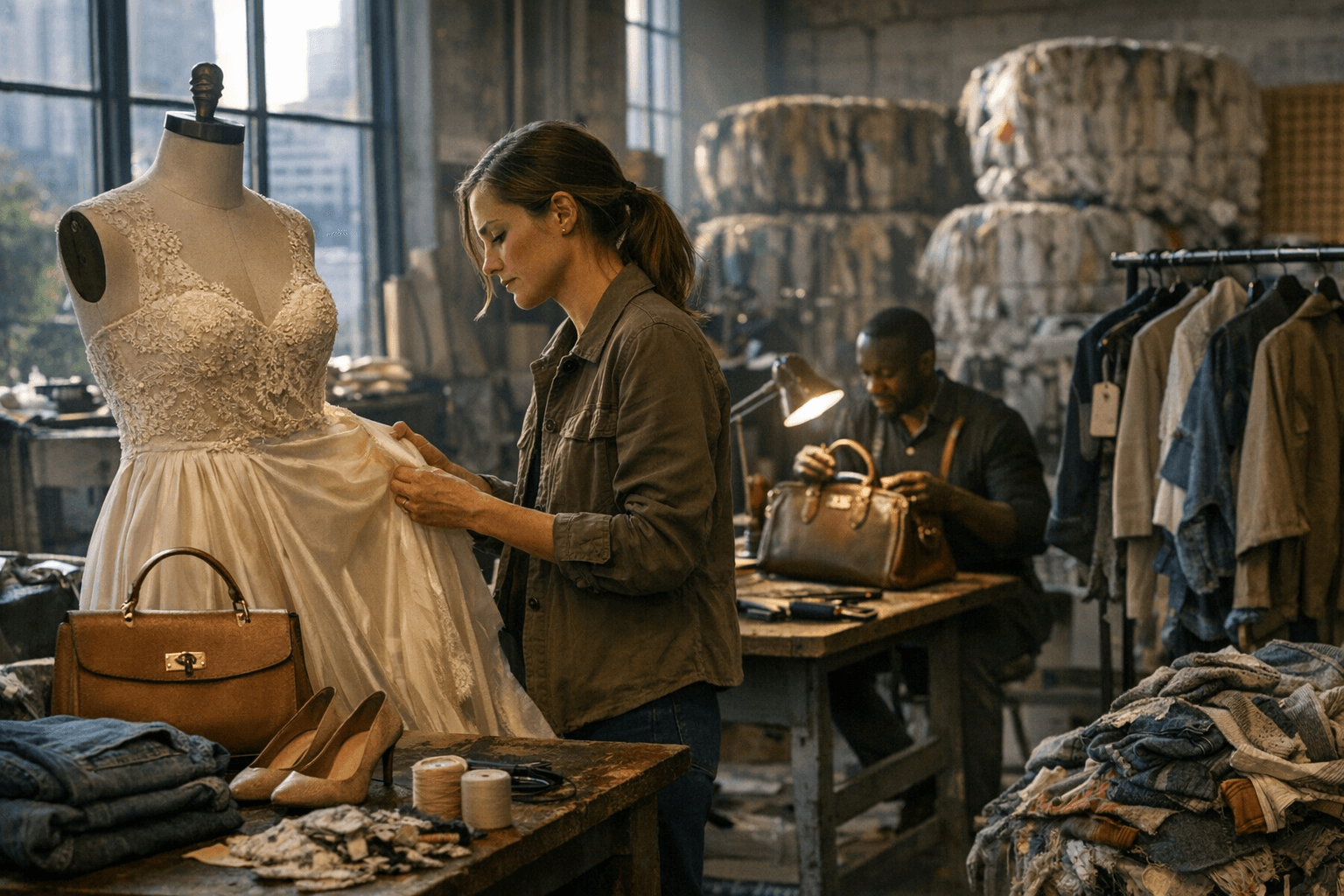
Luxury is being forced to prove its values in the most expensive way possible: by changing how clothes are made, sold, worn, and taken back. Earth Day 2026 lands on April 22 with the theme “Our Power, Our Planet,” and the mood around it is unmistakable. Sustainability is no longer a decorative virtue for fashion’s glossy margin; it is becoming part of what premium actually means.
The new definition of premium
For years, luxury could hide behind hand-finished detail, scarcity, and the romance of the atelier. That language still matters, but it is no longer enough on its own. Forbes frames this Earth Day moment as a broader reset in which sustainability is redefining luxury through consumer expectations, innovation in fashion and materials, and a sharper sense of brand values.
KPMG’s luxury outlook makes the shift even clearer: sustainability, transparent supply chains, and circular business models are now business essentials. In other words, the modern luxury customer is asking questions that used to belong to procurement teams and sustainability officers. Where did the fiber come from? Who made it? Can it be repaired? Can it come back into the system?
Why the market is changing now
The pressure is not abstract. McKinsey’s 2026 fashion outlook says tariffs are the number-one hurdle for executives, and 46 percent expect conditions to worsen in 2026. That matters because a market under strain tends to reward efficiency, resilience, and proof. Waste looks less glamorous when margins are tight and supply chains are shaky.
UNEP has also made clear that fashion brands, designers, imagemakers, and the media shape consumer identity, values, and action far more than most industries like to admit. That is a powerful admission. Fashion does not merely reflect culture; it teaches people what to want, how to signal status, and which values feel aspirational. When sustainability enters that loop, it stops being a niche talking point and becomes part of the market’s emotional machinery.
Circularity is now a luxury strategy, not a side project
The clearest shift is the move from one-way consumption to circular business models. The Ellen MacArthur Foundation says circular fashion depends on keeping products in use through resale, rental, repair, remaking, collection, sorting, and material recovery. That is not a vague philosophy. It is a system, and it changes the economics of luxury from the inside out.
Resale and rental extend the life of a garment that was already designed to last. Repair preserves the original object, which is especially important in luxury, where construction, fabric hand, and silhouette are part of the value proposition. Remaking and material recovery matter just as much, because they turn the end of one garment into the beginning of another. In a category built on craftsmanship, that kind of continuity feels less like compromise than evolution.
The same circular logic also reduces exposure to raw-material supply disruptions and price volatility. That point is crucial. If a brand can recover more of what it already sells, it is less vulnerable to the shocks that make premium pricing look fragile rather than rarefied. Sustainability, in that sense, is becoming a hedge.
Proof is replacing promise
Consumers are no longer satisfied by soft-focus claims about responsibility. In Europe, views on sustainable luxury have been tracked across multiple quarters through 2025, which tells you something important: this is measurable demand, not a passing aesthetic preference. Luxury buyers are learning to read for evidence, not atmosphere.
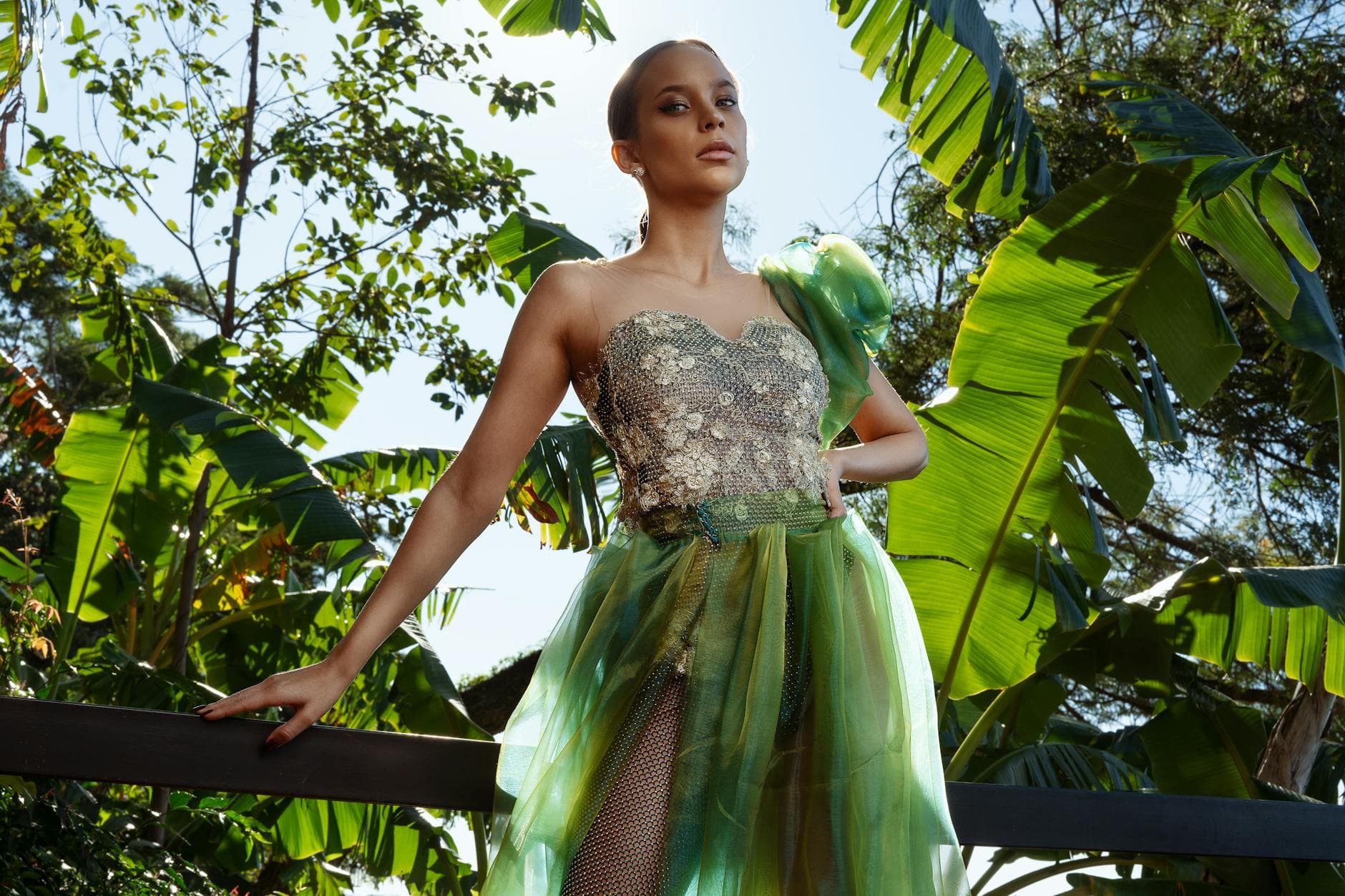
The proof points are concrete. Transparent supply chains matter because they create traceability, and traceability is the new status symbol behind the scenes. Material innovation matters because the story is no longer just about how a dress drapes or how a coat falls on the body; it is also about what it is made from, how long it can stay in circulation, and what happens after the first owner is done with it.
The industry’s hardest conversation is the one about waste. The University of Utah Office for Sustainability Education cites UNECE data that 85 percent of textiles are sent to landfill each year. That single number explains why durability, repair, and recovery have become luxury issues rather than purely environmental ones. When textiles are treated as disposable, even a beautifully made garment loses its claim to permanence.
Earth Day’s message has become a fashion test
EARTHDAY.ORG has set the 2026 theme as “Our Power, Our Planet,” and the framing is deliberately people-powered. This is not just about conscience; it is about collective behavior, consumer pressure, and the ability of ordinary purchases to move industrial systems. In fashion, that means the runway conversation now reaches all the way to the wardrobe decision.
UNEP’s emphasis on sustainable fashion communication fits neatly here. The agency sees communication as a highly visible engine for lifestyle change and consumer education, and a core component of systemic change in the sector. That is why the best sustainability messaging now sounds less like a campaign and more like a standard: clear materials, credible supply chains, repair services, and a plan for what happens next.
Who is making the conversation visible
The public face of this shift is not confined to corporate reports. Harlem’s Fashion Row’s 5th Annual Sustainability Forum, presented by H&M, is scheduled for April 22 in New York, putting designers, brands, and innovators in the same room on Earth Day itself. That kind of programming matters because it signals that sustainability is no longer a fringe panel topic. It is now part of the industry calendar at a moment when visibility matters most.
The pairing is telling. Harlem’s Fashion Row brings cultural authority and designer visibility; H&M brings scale. Together, they reflect the tension at the heart of sustainable luxury right now: the sector needs big systems to change, but it also needs the design credibility and aesthetic discipline that luxury demands.
What counts as real sustainable luxury now
The brands that will look premium in this new era will not be the ones that merely speak in the language of responsibility. They will be the ones that can show durability in the cut, transparency in the chain, and circularity in the afterlife of the garment. They will make repair feel luxurious, resale feel curated, and traceability feel as integral as a label.
That is the real Earth Day 2026 story: sustainability is not softening luxury, it is hardening its standards. In a market under pressure, the brands that can prove their claims are not just sounding better. They are redefining what the word luxury is allowed to mean.
This article was produced by Prism’s automated news system from verified source data, official records, and press releases, then run through automated quality and moderation checks before publishing. The system is built and supervised by the people who set the standards it runs under. Read our full AI policy.
Did this article answer your question?


