Gulf blockade drives up textile dye costs, deepening supply-chain strain
Hormuz turmoil is pushing up dye and auxiliary costs, and the squeeze is now reaching synthetic fibres, compliance choices and brand claims.
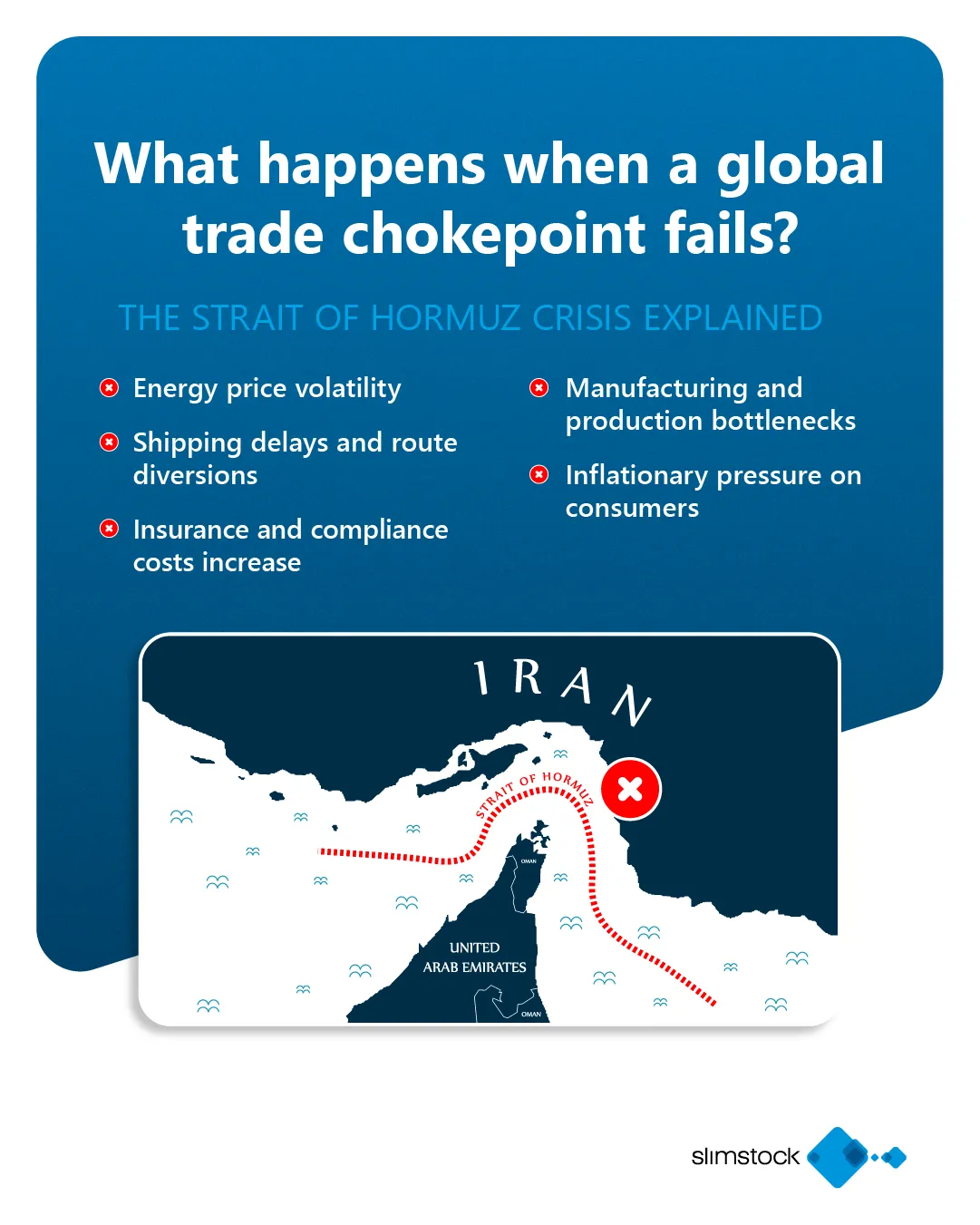
The next pressure point in sustainable fashion is not a fabric trend, but a shipping lane. The Strait of Hormuz normally carries about 20 million barrels a day of crude oil and oil products, roughly 20% of global oil consumption, and about 80% of that oil is headed for Asia. With the conflict in the Middle East cutting energy flows and triggering what the International Energy Agency calls the largest supply disruption in the history of the global oil market, textile chemicals are getting caught in the crossfire.
That matters because dyes and auxiliaries are not standalone products. They depend on petrochemical feedstocks, energy and logistics, which means every rise in crude-linked intermediates can ripple through man-made chips, synthetic fibres, dyes, auxiliaries and manufacturing overheads. The result is a quieter kind of inflation, the kind that does not show up first on a hangtag but in the cost of making the garment in the first place. For brands trying to hold the line on cleaner chemistry, lower-impact processing and tighter compliance, the math is getting harder.
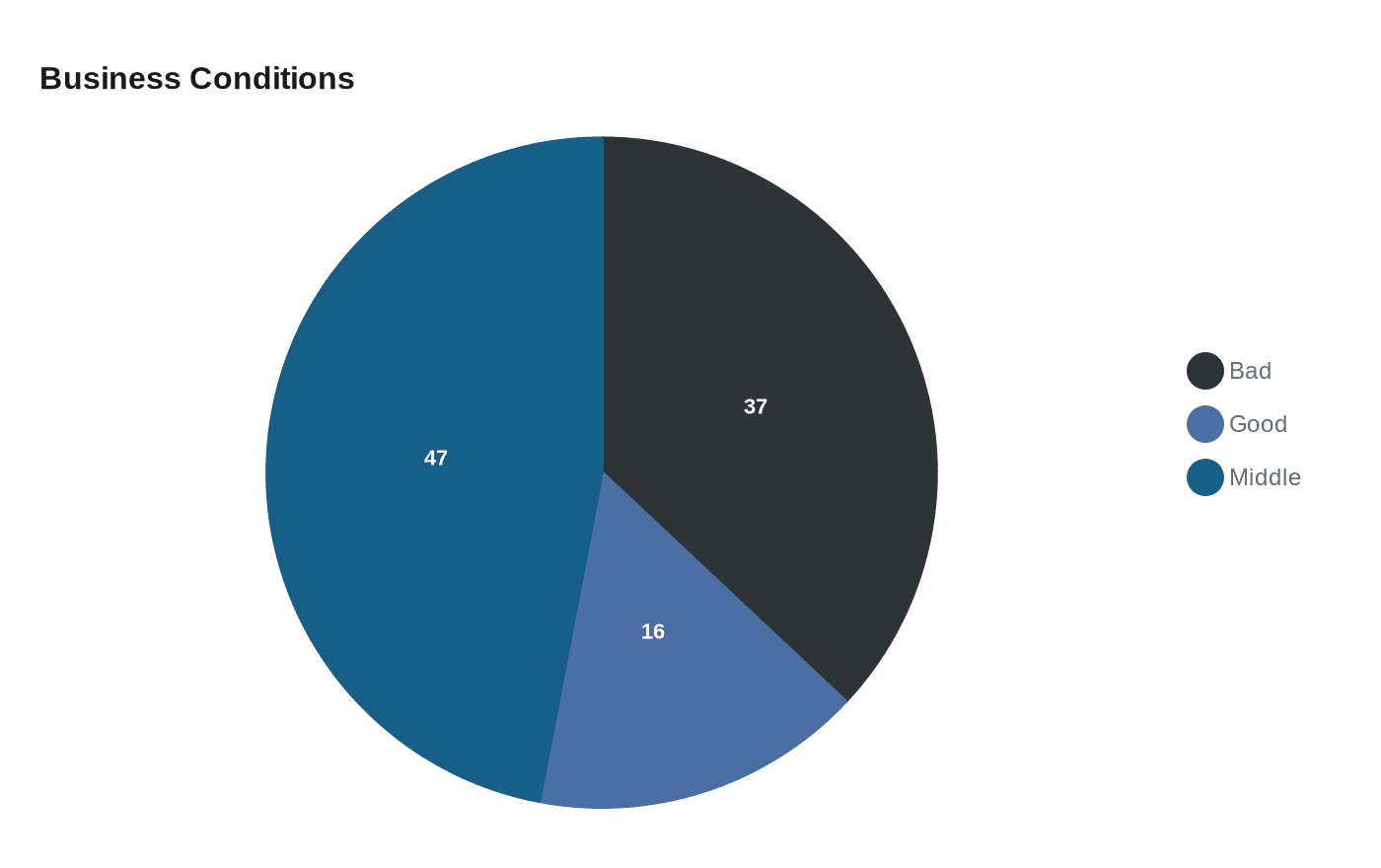
The market was already fragile before the blockade tightened the squeeze. The International Textile Manufacturers Federation found in March 2025 that weak demand was the biggest issue for 62% of respondents, while 41% pointed to geopolitical tensions. By January 2026, 37% of participants rated business conditions as bad, only 16% called them good, and 47% landed in the middle. That is the backdrop for every sourcing conversation now happening between mills, mills’ suppliers and fashion brands trying to defend their sustainability promises without blowing up margins.
The scale of the chokepoint helps explain the anxiety. Boston Consulting Group has said about 900 vessels typically transit the Strait of Hormuz each week, and even if restrictions ease, the route remains a strategic bottleneck. The IEA has also said LNG exports from Qatar and the United Arab Emirates have been reduced by the conflict, adding another layer of energy pressure to a system that already had little room to absorb shocks.
For sustainable fashion, the message is blunt: responsible textiles are not just a design choice, they are a supply-chain commitment. When petrochemical volatility rises, the cost of dyeing, finishing and certifying a garment rises with it, and the credibility of “better” materials depends on how much of that cost brands are still willing to carry.
This article was produced by Prism’s automated news system from verified source data, official records, and press releases, then run through automated quality and moderation checks before publishing. The system is built and supervised by the people who set the standards it runs under. Read our full AI policy.
Did this article answer your question?