ACT report finds progress on purchasing, but wage gaps persist
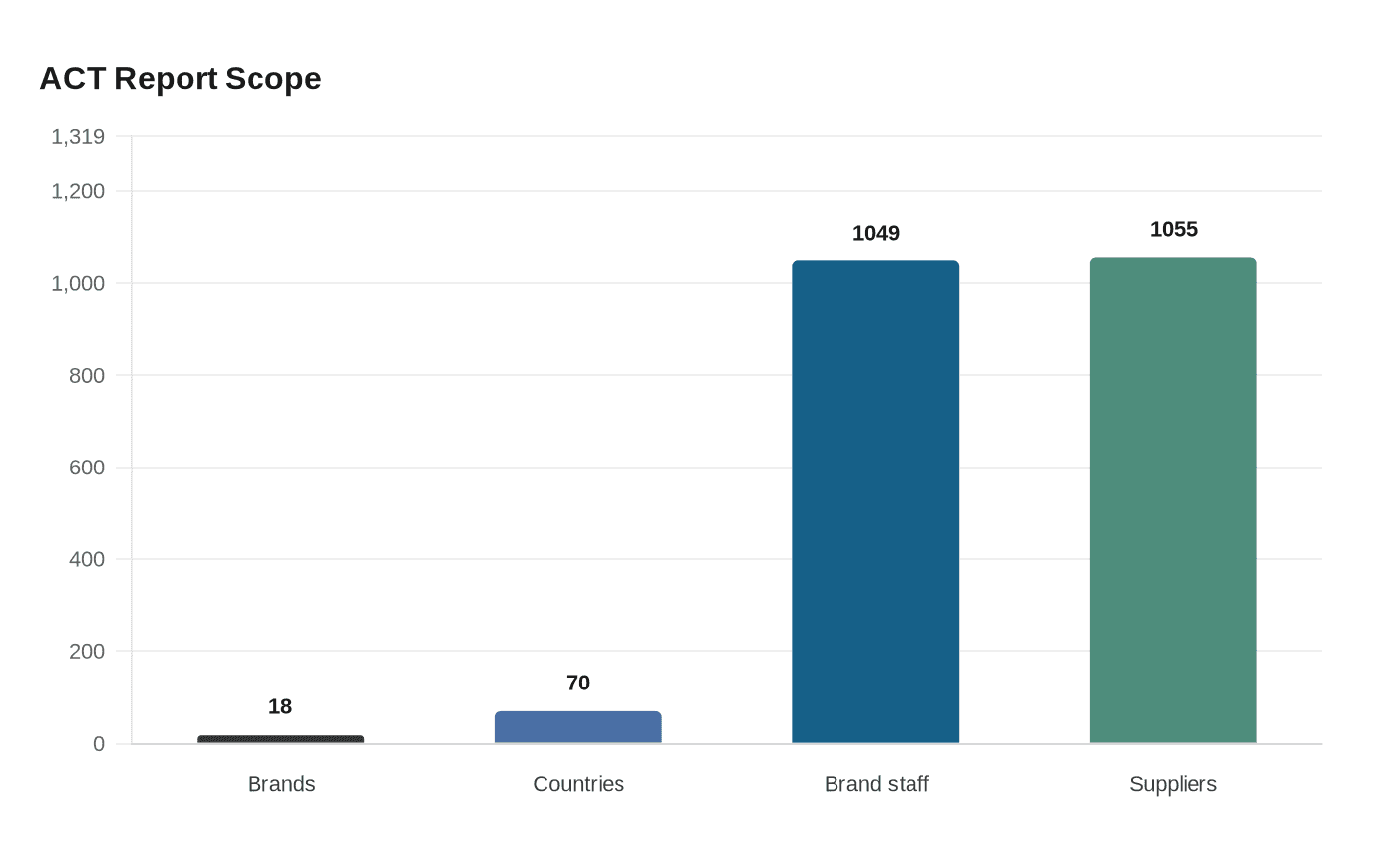
Brands showed “positive momentum” on buying practices, but feedback from 1,055 suppliers still points to wage gaps across 18 signatory labels.
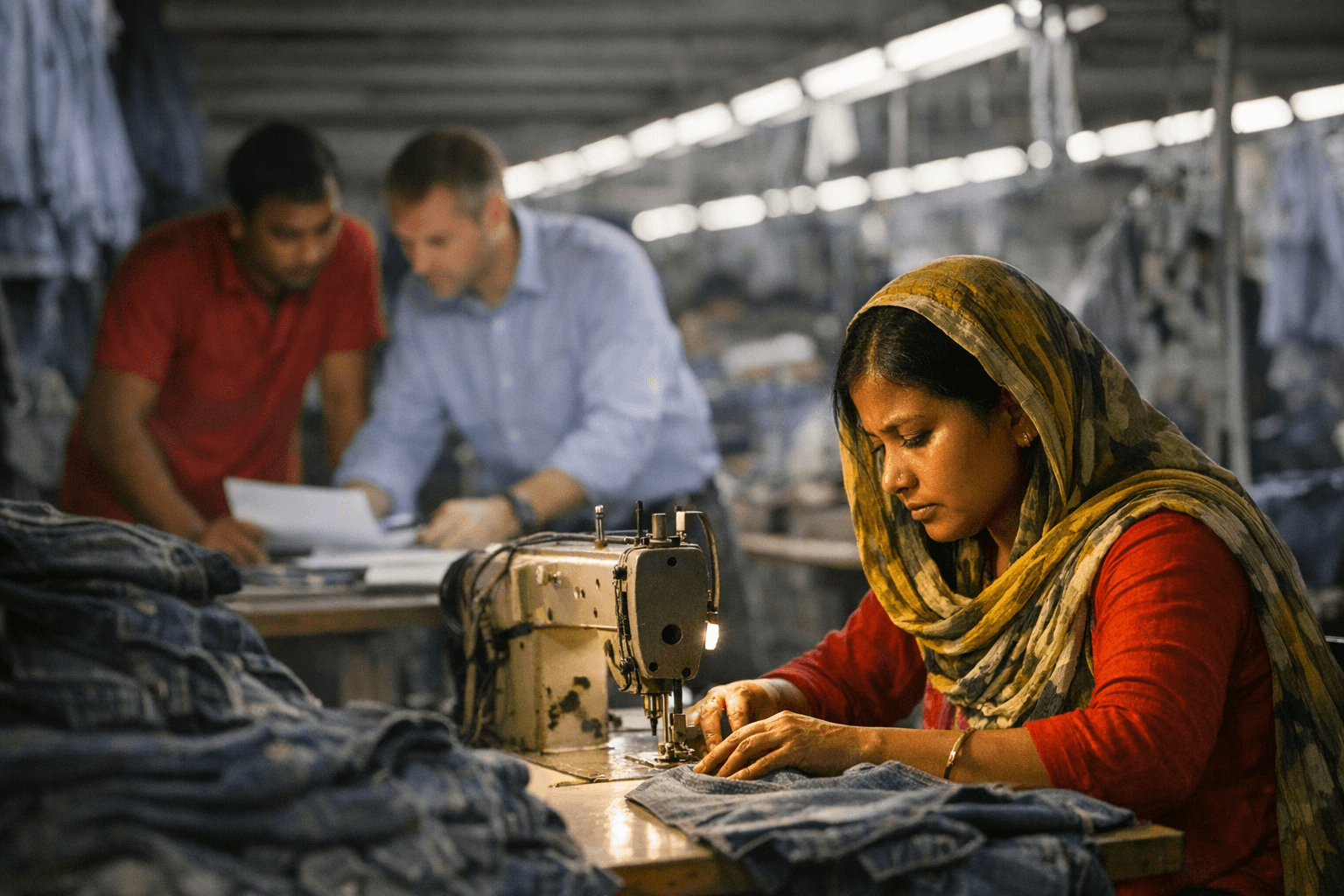
Improved buying practices are not yet showing up where fashion workers need them most: in their pay. ACT’s 2025 Accountability and Monitoring Report, released on 15 April 2026, found “positive momentum” on purchasing practices, but supplier and worker feedback still showed a stubborn gap on wages across 18 signatory brands and more than 1,000 suppliers in over 70 production countries.
That gap matters because ACT was built to turn better buying into better livelihoods. The initiative, short for Action, Collaboration, Transformation, works with IndustriALL Global Union to push living wages through collective bargaining linked to purchasing practices, a model that treats procurement as a wage issue, not just a back-office function. Its member brands have committed to five areas: fair terms of payment, full coverage of wage increases in FOB prices, better forecasting and planning, training, and responsible exit.
The scale of the evidence behind the report gives it more weight than a self-congratulatory sustainability memo. ACT drew on responses from 1,049 brand employees, 1,055 suppliers, and worker feedback, with surveys run through an anonymous online platform and processed by SLR Consulting as a clean-room data handler. In other words, the report was designed to compare brand claims with what suppliers and workers actually experience on the ground.
The clearest value of that approach is that it points to where the disconnect may sit: pricing, forecasting, contract terms, or enforcement. If brands are paying too late, if FOB prices do not fully cover wage increases, if orders are too volatile to plan around, or if promises are not enforced in practice, wages will lag no matter how polished the public commitments sound. That is the real accountability test here.
ACT also compared 2025 results with 2023 data and, in some cases, 2021, showing a multi-year pattern rather than a one-off snapshot. For a fashion industry still trying to prove that sustainability can mean something beyond recycled fabric and cleaner marketing, the most important metric is whether purchasing reforms translate into pay packets. Until that line closes, progress will remain partial, and the people making the clothes will keep carrying the cost.
This article was produced by Prism’s automated news system from verified source data, official records, and press releases, then run through automated quality and moderation checks before publishing. The system is built and supervised by the people who set the standards it runs under. Read our full AI policy.
Did this article answer your question?


