Bluesign launches Bluepass, bringing verified textile data to shoppers
Bluepass puts verified chemistry, process and facility data behind a QR code, a shift that could make textile claims harder to fake and easier to audit.
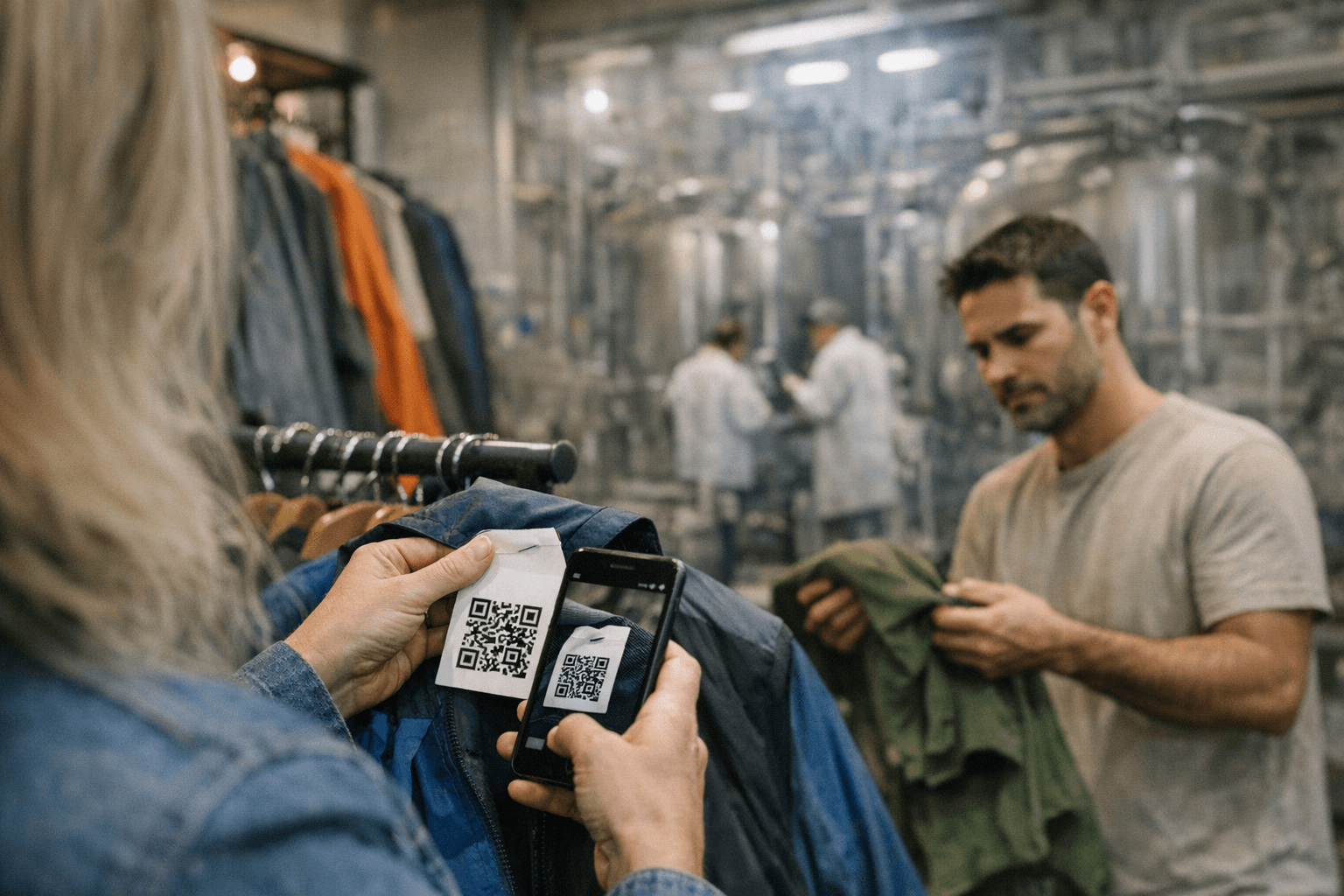
Bluepass is Bluesign’s attempt to move sustainability data out of the factory and onto the product itself. The new QR-enabled mark connects garments and textiles to verified information on chemistry, processes and facilities, a shift that could matter as much to resale platforms and regulators as it does to shoppers deciding whether a label’s environmental promises deserve trust.
Bluesign says Bluepass replaces the earlier bluesign PRODUCT and bluesign APPROVED designations, and that the underlying assessment is carried out in person by Bluesign experts. That review runs across six areas: chemical use, resource efficiency, environmental impact, worker safety, social responsibility and governance. In a market crowded with vague eco-language, that kind of product-level verification is the difference between a branding flourish and something that can be checked.
The timing is no accident. Regulation (EU) 2024/1781, the Ecodesign for Sustainable Products Regulation, was adopted on 13 June 2024 and published in the Official Journal on 28 June 2024. It establishes a framework for digital product passports for products, components and intermediate products placed on the EU market. In textiles, that matters because the regulation is designed to improve durability, repairability, reusability and recyclability, while also addressing hazardous chemicals. If Bluepass works as intended, it gives that policy shift a consumer-facing form: a scan, a record, and a trail that is harder to bury than a generic sustainability claim on swing tags or a glossy campaign image.
Bluesign has been positioning for this change for some time. In March 2024, Bluesign and the Switzerland Bangladesh Chamber of Commerce and Industry launched a Digital Product Passport and bluesign Roadmap initiative in Dhaka, where chief executive Daniel Rüfenacht presented the company’s Road to DPP to global and local industry stakeholders. That matters because the company is not building from zero. Bluesign says its services already operate across the textile value chain with brands, manufacturers and chemical suppliers in more than 50 countries, and its 2024 Impact Report counted more than 900 system partners across chemicals, textiles and products.
For fashion buyers, the real test is whether Bluepass changes behavior. A QR code can do more than decorate a hangtag if it gives a shopper verified evidence of textile chemistry, if it gives a reseller a cleaner provenance trail, and if it gives compliance teams something better than paper audits and marketing language. If Bluesign can make that data legible at the point of sale, the industry may be looking at a genuine shift in how sustainability is proved, not just proclaimed.
This article was produced by Prism’s automated news system from verified source data, official records, and press releases, then run through automated quality and moderation checks before publishing. The system is built and supervised by the people who set the standards it runs under. Read our full AI policy.
Did this article answer your question?