EU moves to screen fast-fashion imports for toxic chemicals
The EU started charging €3 on low-value parcels as 72 textile chemical alerts surfaced in 2025, exposing how fast-fashion shipments slip past checks.
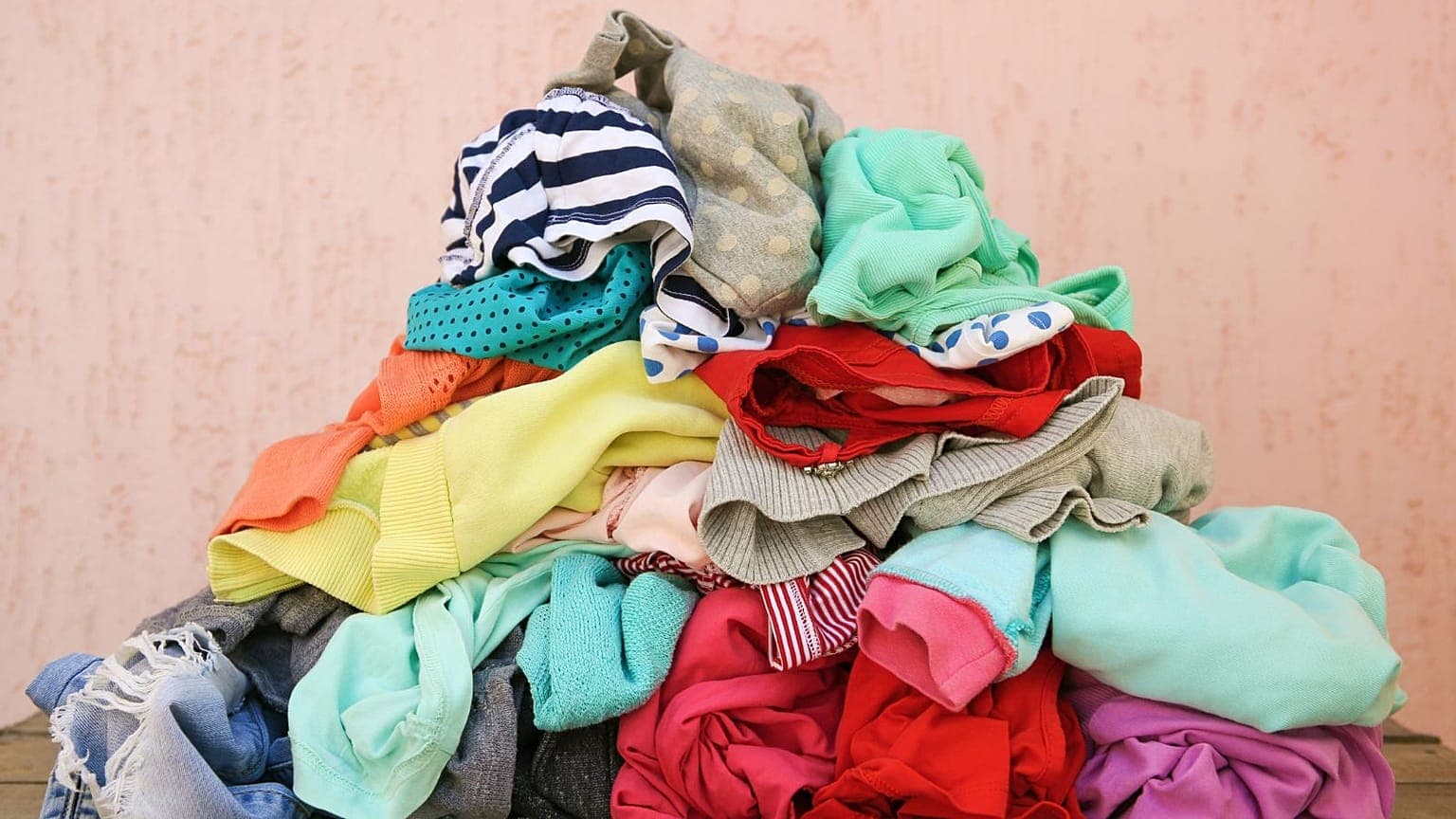
The European Union began applying a temporary €3 customs duty on low-value parcels up to €150 from outside the bloc on July 1, 2026, a move meant to force more of the fast-fashion stream into view before it reaches European wardrobes. The new fee sits inside a wider customs overhaul designed to protect consumers, support businesses and narrow the advantage enjoyed by ultra-cheap cross-border sellers.
The safety case is not abstract. The European Environment Agency counted 72 chemical-related alerts for clothing, textiles and fashion items in 2025, up from an average of 59 a year from 2020 to 2025. Sweden, Germany, Finland, Romania and Italy accounted for 73% of those alerts, and 72% of the risks were tied to human health. Every human-health alert was non-compliant with REACH, the EU’s chemical rules, including cases involving chromium(VI) and cadmium.
That matters because the EEA says textiles are one of the biggest sources of PFAS pollution in Europe, and that PFAS use in most textiles is not a technical necessity. The European Commission’s chemicals strategy aims to better protect citizens and the environment, ban the most harmful chemicals in consumer products and phase out PFAS unless their use is essential. For shoppers, that means the chemical question is moving from the factory floor to the checkout page.
The customs numbers explain why enforcement has become such a flashpoint. The Council of the European Union says the bloc imported 4.6 billion e-commerce parcels valued under €150 in 2024, and 91% of those shipments came from China. Low-value packages have long enjoyed lighter scrutiny, which is exactly the opening that lets cheap synthetic garments move quickly while more compliant brands absorb the cost of testing, documentation and traceability.

That imbalance is already shaping how the biggest sellers respond. Shein has been expanding warehouse space in Wroclaw, Poland, and shipping more goods into the EU in bulk, a sign that the company is trying to stay closer to the market as the rules tighten. Amazon says 97% of its EU shipments last year were fulfilled from warehouses within the bloc, a reminder that the most established players are already built for the kind of visibility regulators want.
The question now is whether customs tracking can keep up with the scale of the parcel flood. Brussels has put a price on the loophole; the harder part is making sure toxic fibers, coated zips and chemically treated knits are caught before they clear the border.
This article was produced by Prism’s automated news system from verified source data, official records, and press releases, then run through automated quality and moderation checks before publishing. The system is built and supervised by the people who set the standards it runs under. Read our full AI policy.
Did this article answer your question?