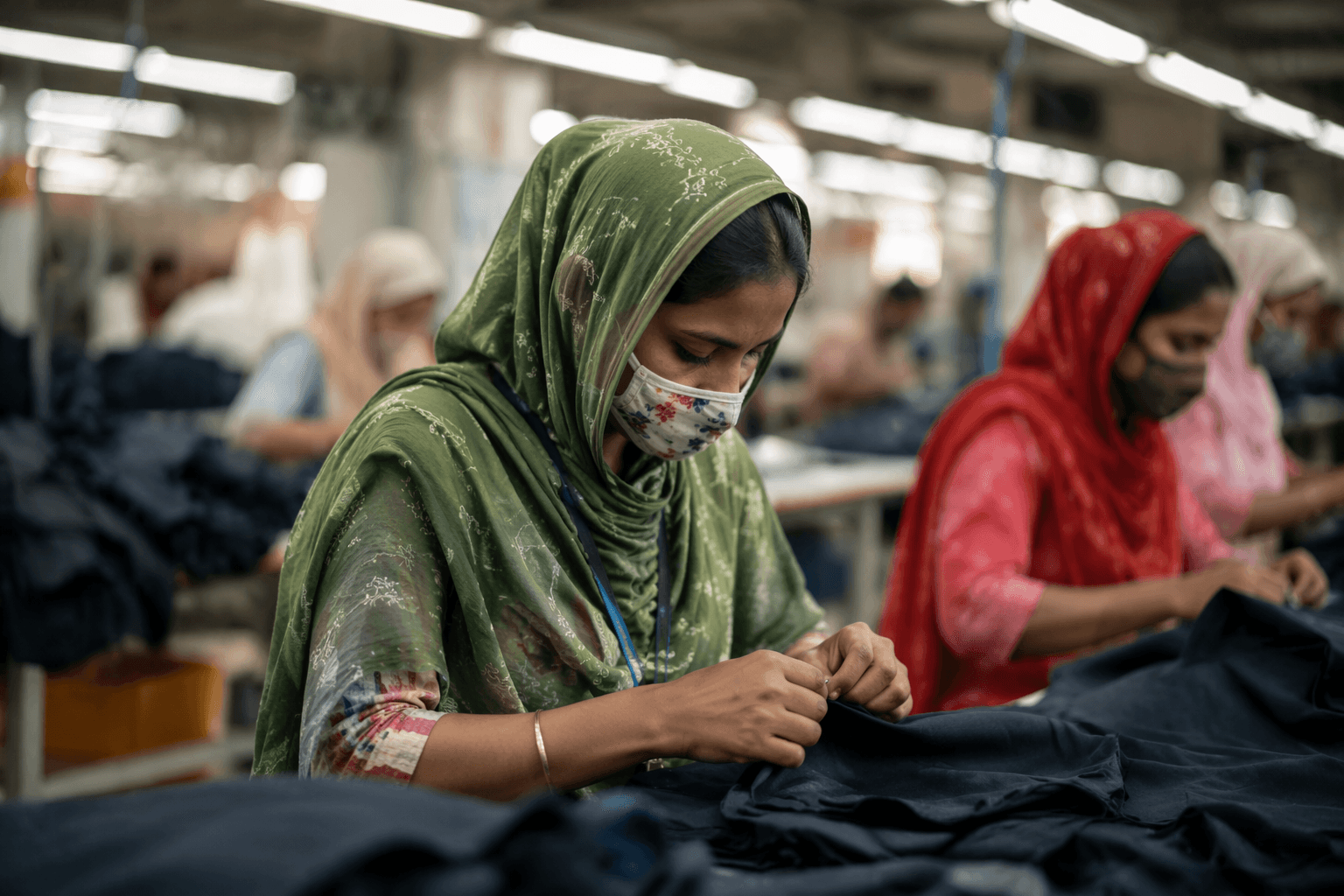
EU tightens chemical exposure limits for textile production
Brussels moved to cap 1,4-dioxane exposure in textile production, with a seven-year transition and up to €1.16 billion in healthcare savings.
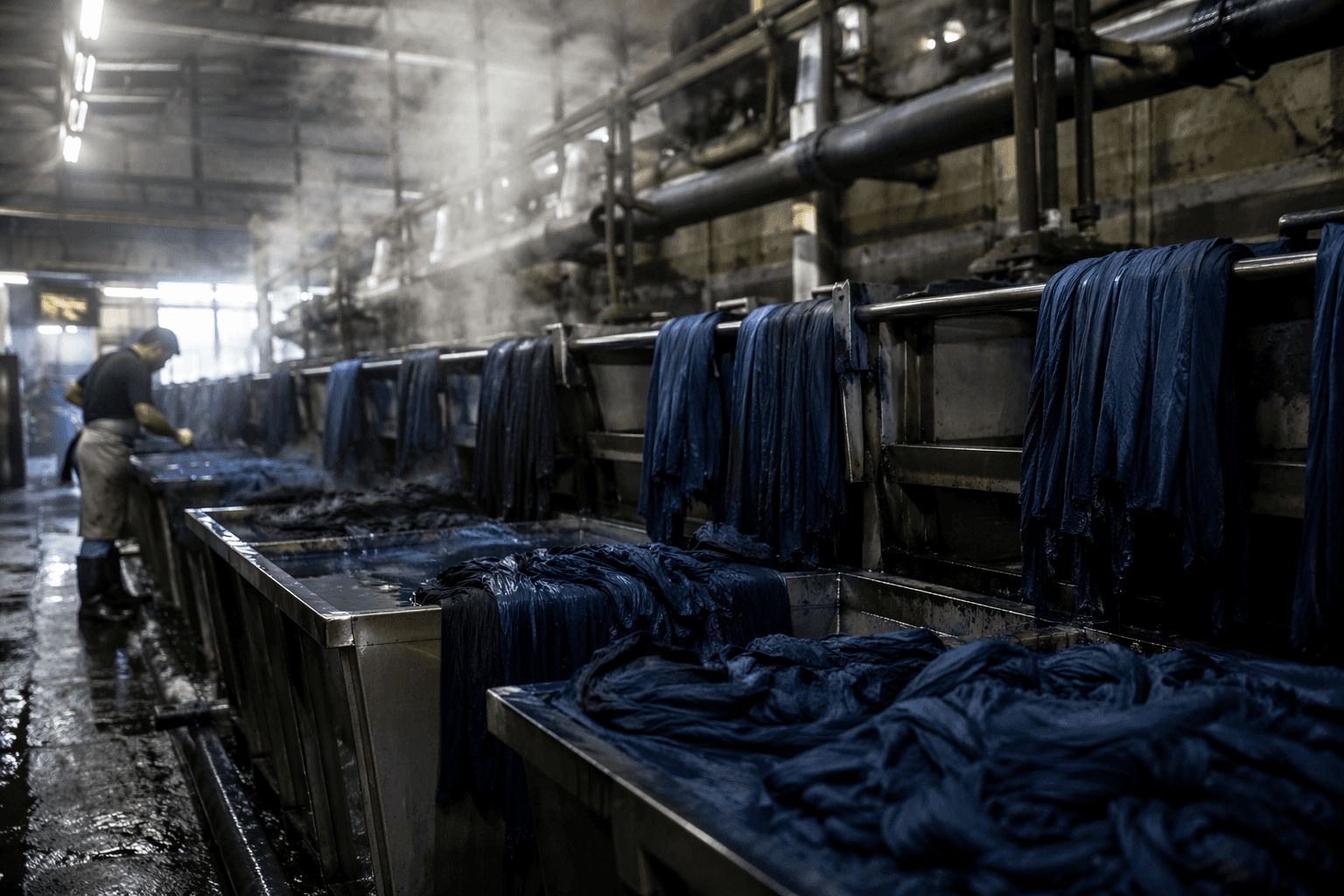
On 23 June 2026, the Council of the EU and the European Parliament reached a provisional deal on the sixth revision of the carcinogens, mutagens and reprotoxic substances directive, tightening occupational exposure limits for hazardous chemicals used in textile production and other heavy industrial processes.
The revised rules cover 1,4-dioxane, cobalt and inorganic cobalt compounds, polycyclic aromatic hydrocarbons, isoprene and welding fumes, tightening scrutiny of chemical handling, workplace air monitoring and protective equipment in production environments. 1,4-dioxane is used in chemical and textile production, and the new rules set a general occupational exposure limit, a short-term exposure limit and a biological limit value for the substance.
A temporary limit twice as high will apply for seven years after the directive enters into force, giving affected sectors time to adapt their processes, test exposure more closely and upgrade controls before the tighter cap fully lands.
The European Commission estimates the strengthened directive could prevent around 1,700 lung cancer cases and 19,000 other work-related illnesses over the next 40 years, while saving up to €1.16 billion in healthcare costs across the bloc. ECHA classifies occupational exposure limits as regulatory values meant to keep workplace air exposure at health-based safe levels, and 1,4-dioxane had already been reviewed by the agency before being reclassified as a category 1B carcinogen, which brought it into the directive’s scope.
ETUC leaders warned that many workers across Europe are still exposed to cancer-causing substances every day, and they pushed lawmakers not to dilute safety rules. The deal still needs formal adoption before it becomes law.
This article was produced by Prism’s automated news system from verified source data, official records, and press releases, then run through automated quality and moderation checks before publishing. The system is built and supervised by the people who set the standards it runs under. Read our full AI policy.
Did this article answer your question?