EU to Ban Destruction of Unsold Clothes and Shoes in 2026
The EU will stop big fashion retailers from destroying unsold clothes and shoes, forcing excess stock into resale, donation, recycling or redesign by July 19, 2026.

Fashion’s safest waste bin is closing. From July 19, 2026, large companies in the EU will no longer be allowed to destroy unsold apparel, clothing accessories and footwear, except in limited cases such as safety concerns or product damage. For an industry that has long treated deadstock as invisible, the rule turns overproduction into a compliance issue and makes resale, donation, recycling and redesign the new default end-of-life options.
The European Commission adopted the measures on February 9, 2026 under the Ecodesign for Sustainable Products Regulation, the same framework that also introduced the digital product passport. Large enterprises must also begin disclosing how much unsold consumer product they discard, including the number and weight of items, the reasons they were discarded, how much was sent to waste treatment, and the measures taken and planned to prevent destruction. Medium-sized companies are expected to follow the destruction ban in 2030, with disclosure rules for them also starting that year.
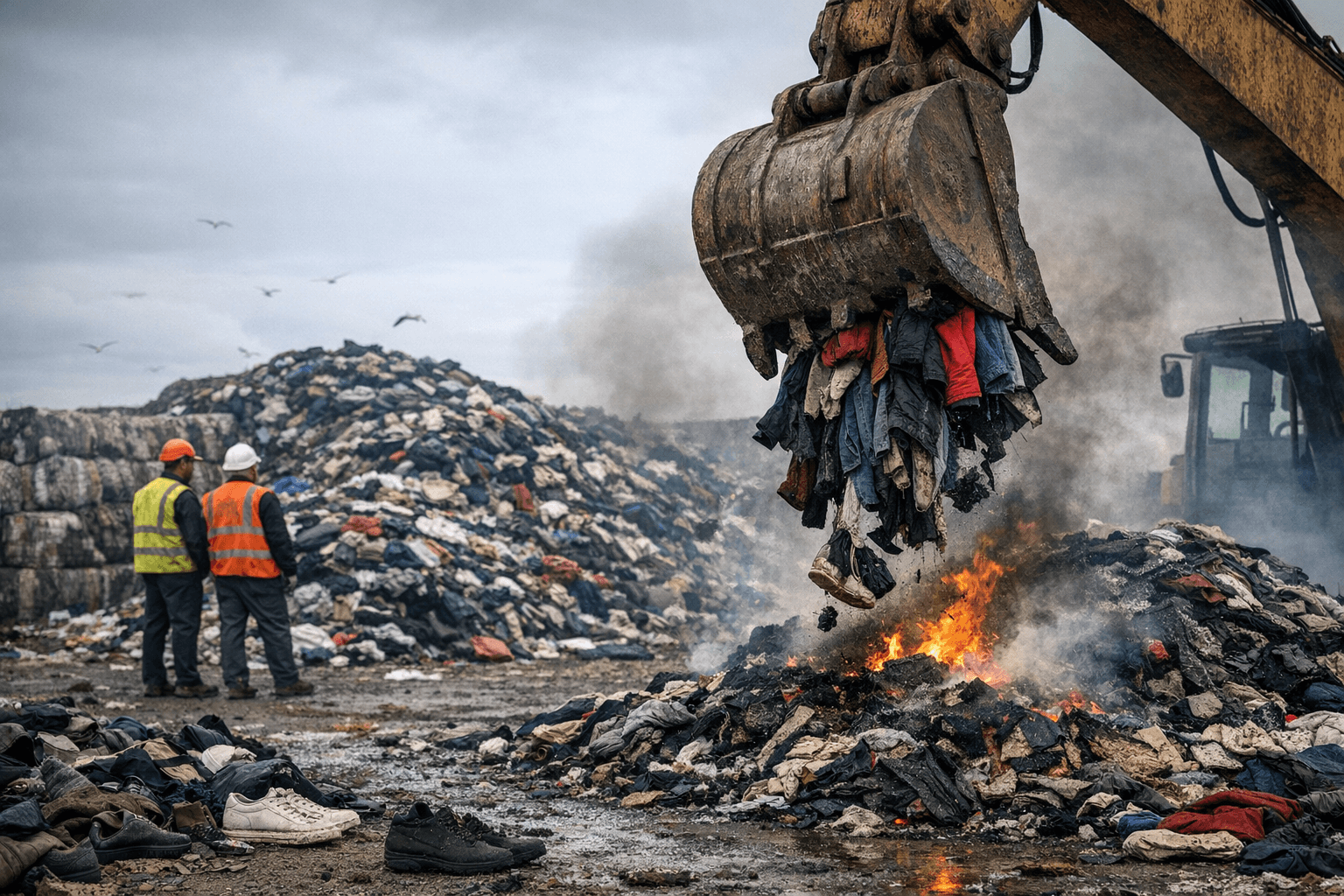
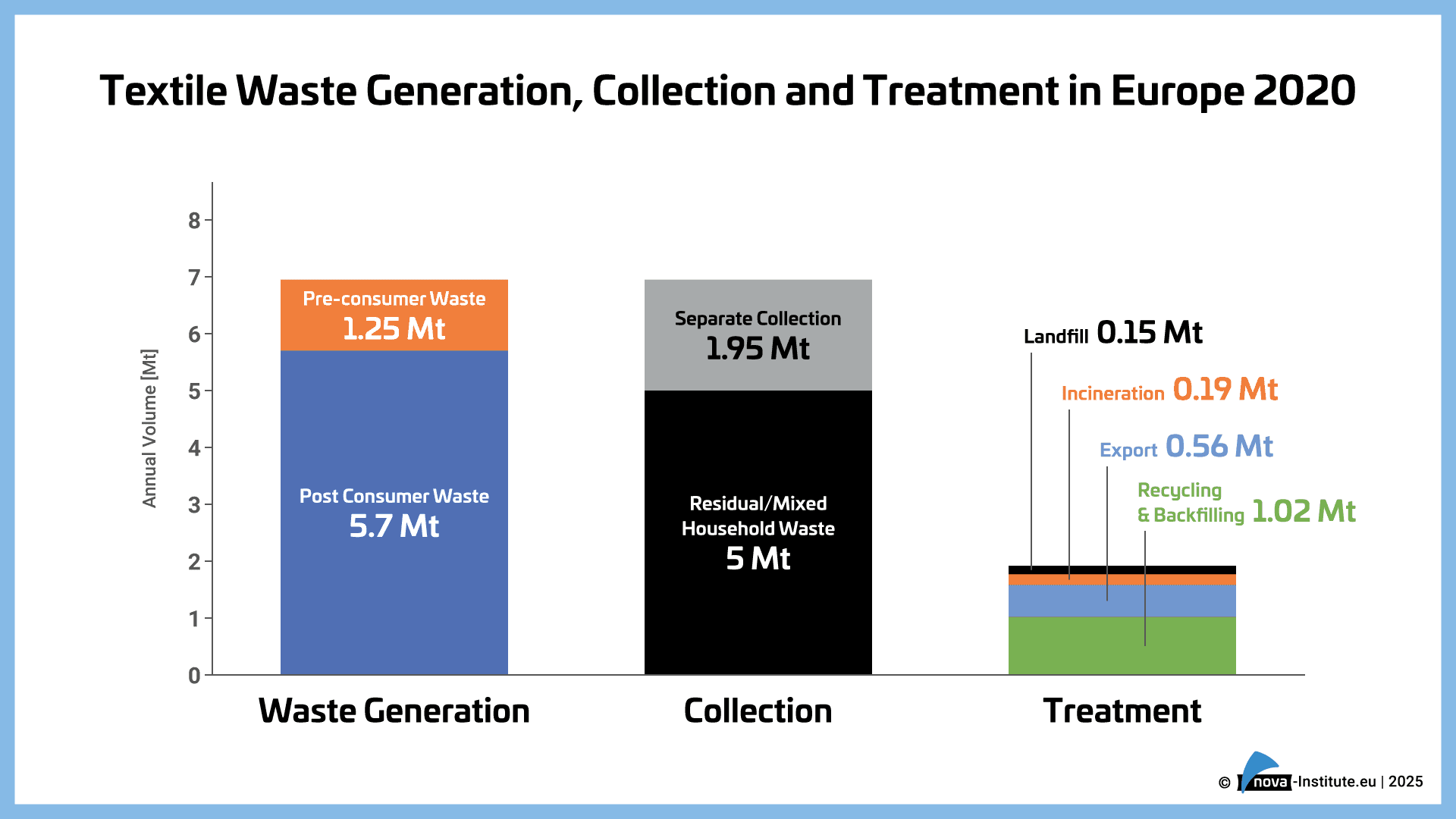
The scale of the problem is what makes the policy feel less like a tidy sustainability gesture and more like a market reset. The Commission says between 4% and 9% of all textile products on the EU market are destroyed before use. Other public-facing summaries place that waste at roughly 5.6 million tons of carbon dioxide, a footprint comparable to Sweden’s total net emissions in 2021. For fashion groups that still rely on aggressive overbuying and late-stage markdowns, the new disclosure rules will force a more exact accounting of what was made, what was sold, and what was quietly written off.
The broader Ecodesign framework was provisionally agreed by EU lawmakers on December 5, 2023, and it reflects a policy shift already signaled in the EU’s 2022 textiles strategy. The point is not only to keep usable product out of destruction, but to push brands toward a more circular operating model and, in the Commission’s words, a more level playing field. In practice, that means the most exposed retailers will be the ones with the deepest piles of unsold stock and the least-developed resale or repair systems. By 2030, the pressure will extend beyond the biggest players, and fashion’s old habit of hiding excess inventory at the end of the season will no longer be an option.
This article was produced by Prism’s automated news system from verified source data, official records, and press releases, then run through automated quality and moderation checks before publishing. The system is built and supervised by the people who set the standards it runs under. Read our full AI policy.
Did this article answer your question?