Worldly launches AI tool to unify fashion supplier audits and compliance
Worldly’s new AI compliance tool folds audits, assessments and Higg data into one system as forced-labor rules tighten on both sides of the Atlantic.
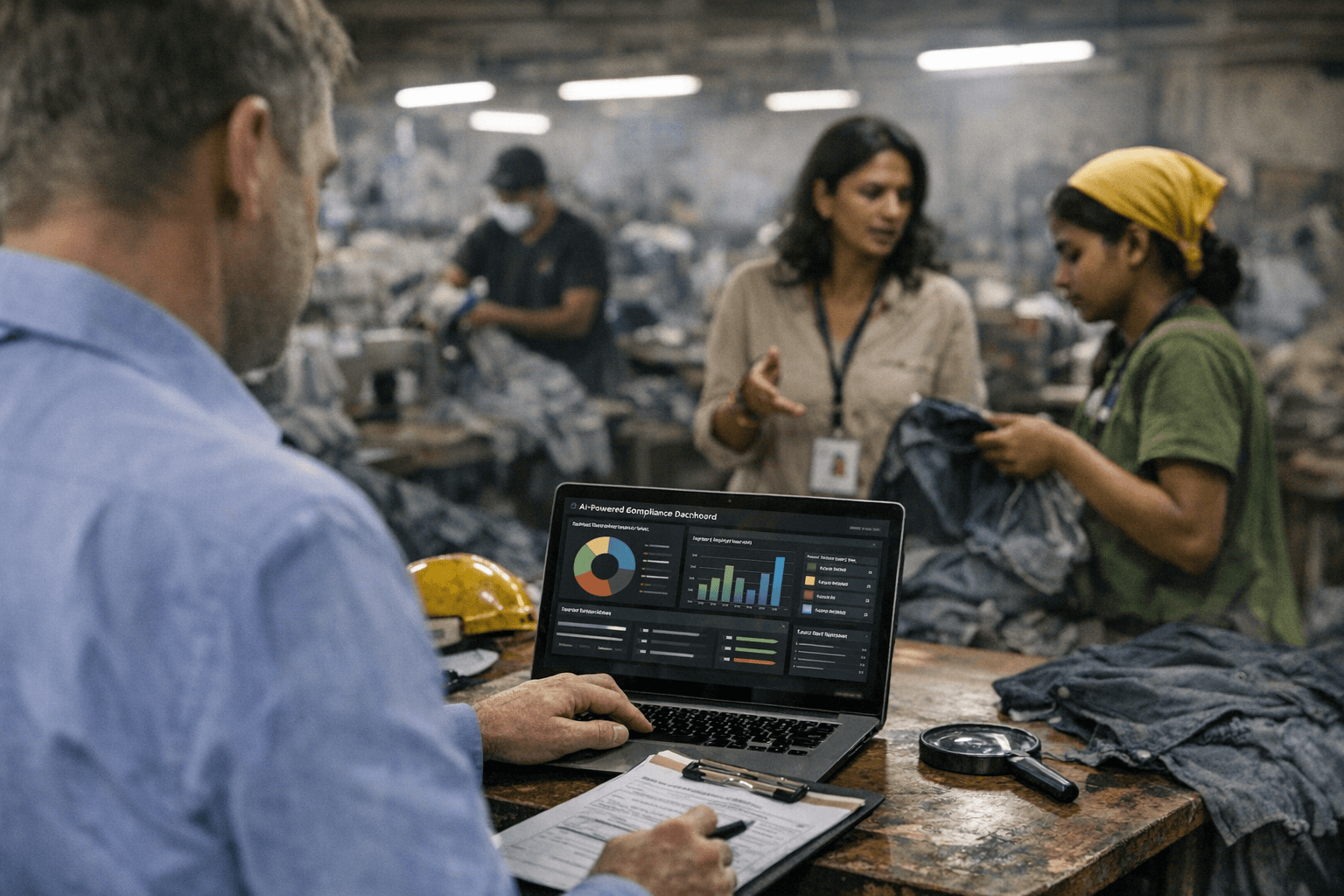
Fashion brands have spent years paying for the same compliance work more than once, with third-party audits, brand assessments and supplier records scattered across inboxes, trackers and contradictory scorecards. Worldly is betting that AI can do more than sort the mess. It can make it usable.
The San Francisco company launched Supplier Compliance Management on April 16, 2026, stitching together third-party audits, brand-defined custom assessments and data from the Higg Facility Social & Labor Module, the social and labor tool stewarded and governed by Cascale. Worldly said the system maps findings against a brand’s own Code of Conduct, ILO Core Labour Standards and the Cascale Risk Framework, then carries the work forward from audits to remediation to improvement tracking.
That matters because compliance pressure is no longer theoretical. U.S. Customs and Border Protection has said the Uyghur Forced Labor Prevention Act, signed on December 23, 2021 and implemented on June 21, 2022, created a rebuttable presumption that goods tied to Xinjiang or named entities were made with forced labor. Worldly’s launch materials say CBP has stopped nearly $4 billion in shipments over forced-labor concerns since 2022. In Europe, the forced-labor regulation entered into force in December 2024 and will apply from December 14, 2027, widening the net on supply-chain scrutiny.
The appeal of a centralized system is obvious. Compliance teams have long had to reconcile different audit frameworks, chase answers over email and maintain separate remediation logs, all while legal and finance teams asked for a cleaner read on risk. Worldly said its new tool is meant to give those teams clearer visibility and help brands manage the full compliance lifecycle in one place. The real test, though, is whether that clarity reaches the factory floor or just the dashboard.
Simone Colombo, head of corporate sustainability at OVS, gave the launch an early fashion-industry endorsement, saying the tool gives the company “a much clearer picture of where risks exist and what is being done to address them,” while saving “an enormous amount of time.” That is the promise brands have been chasing: fewer duplicate audits, fewer blind spots and less time spent translating one supplier’s records into another brand’s language.
But the bigger question remains. Centralized AI compliance tools can make audit overload faster to navigate, and they may finally let brands see the same supplier through one coherent lens. Whether they improve worker outcomes, or merely make box-ticking more efficient, will depend on what happens after the reports are cleaned up.
This article was produced by Prism’s automated news system from verified source data, official records, and press releases, then run through automated quality and moderation checks before publishing. The system is built and supervised by the people who set the standards it runs under. Read our full AI policy.
Did this article answer your question?


