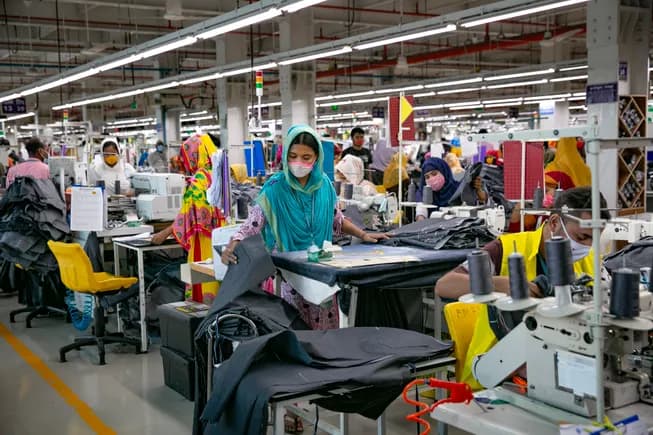
Fair buying practices still shift labor and climate costs to suppliers
Four in 10 Indian suppliers were pressed for discounts after contracts were signed. The result is lower wages, weaker safety, and hidden abuses.
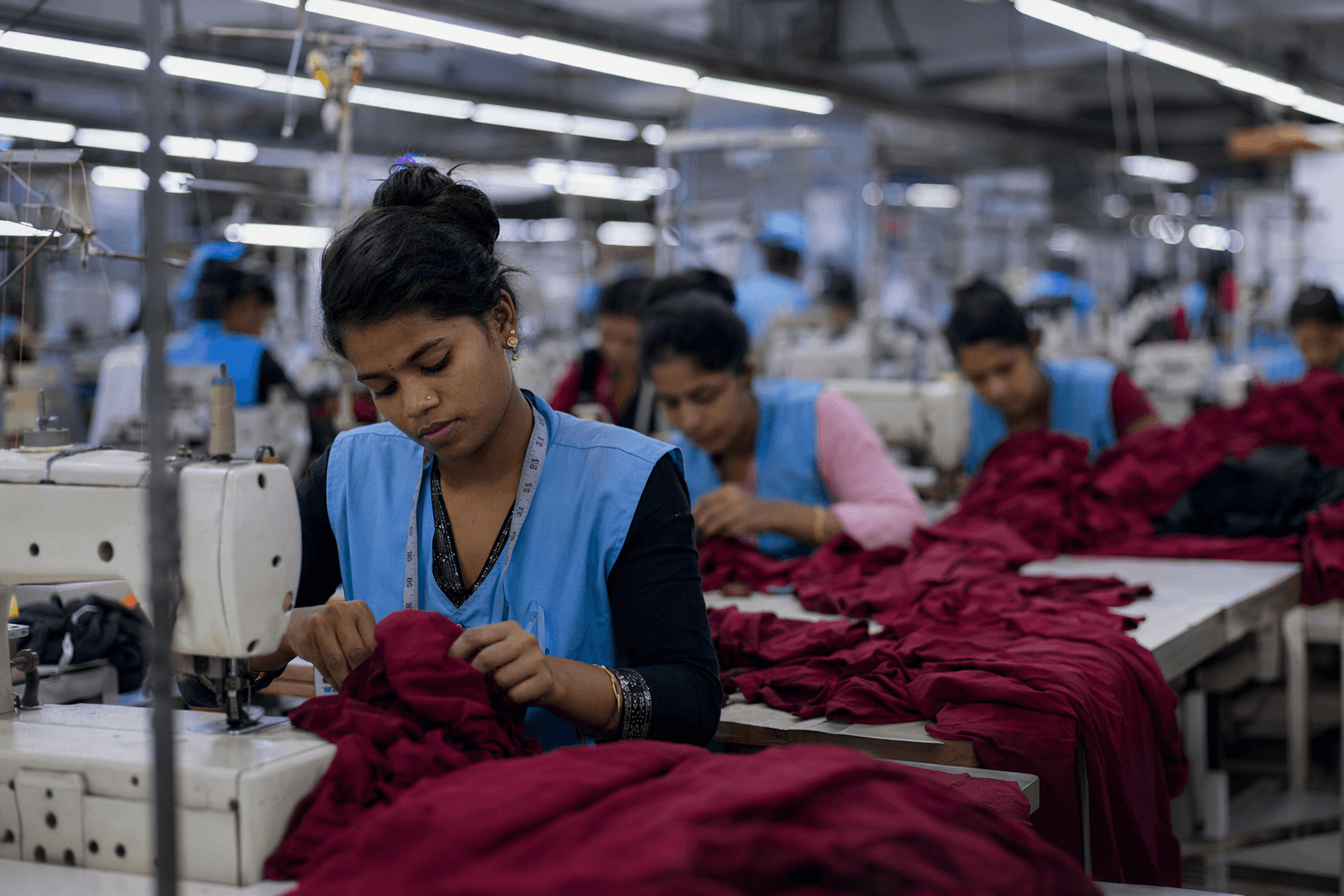
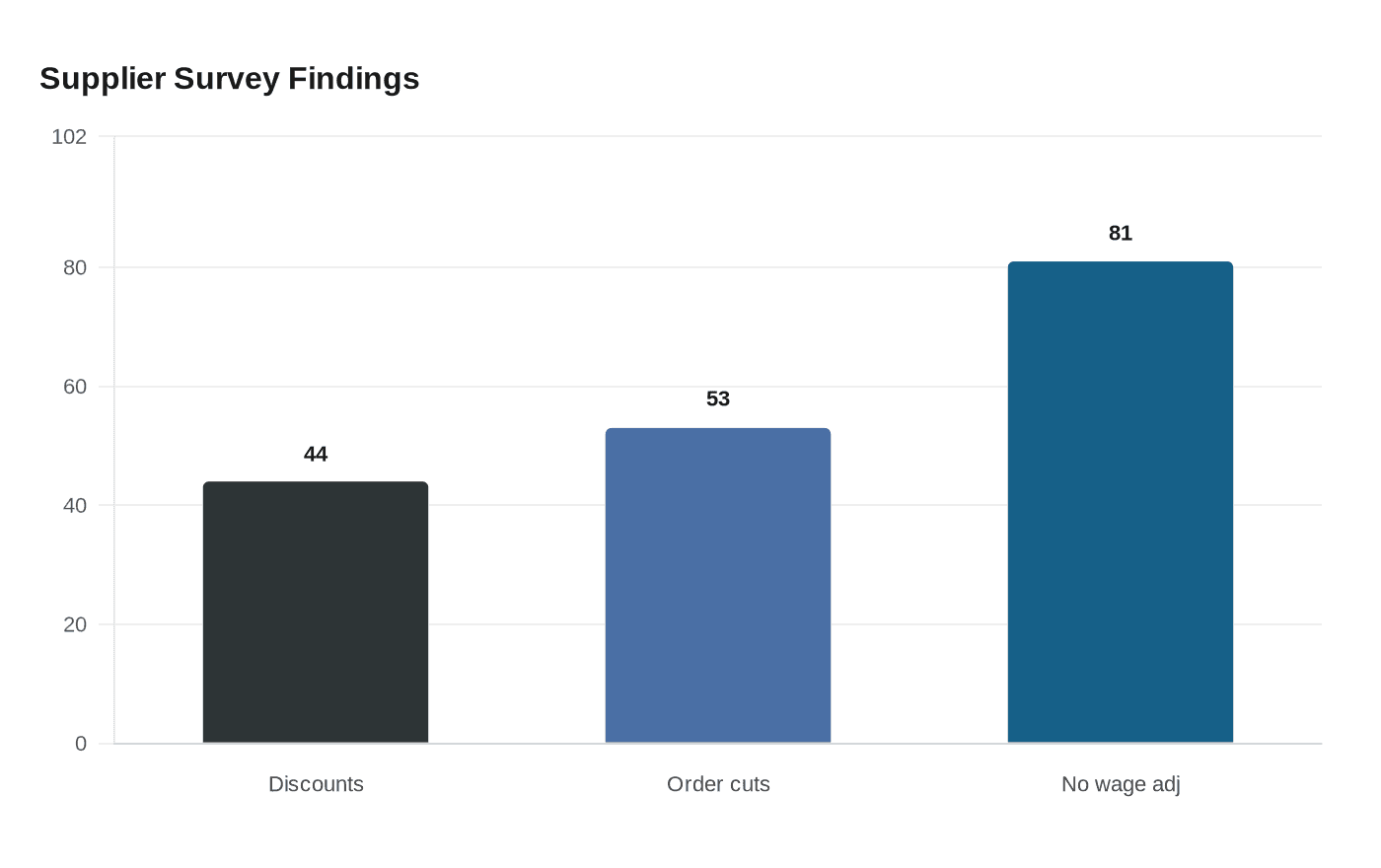
Forty-four percent of nearly 200 Indian suppliers said fashion brands asked for discounts after the contract was already signed. That one number tells the story: when buyers squeeze prices after the fact, the pressure does not vanish, it travels straight down the chain to wages, safety, and environmental compliance.
At the SJ Sustainability Summit, Sarah Dadush, a professor of law and founding director of the Responsible Contracting Project at Rutgers Law School, argued that these contracts often make suppliers carry the legal and financial burden for human-rights and environmental standards. In practice, that means the factory is expected to absorb the cost of cleaner processes, safer work, and fair pay, even when the brand controls the price, the timing, and the terms. The result is a system that lets buyers behave as if they are not responsible, while supplier noncompliance can trigger cancellations or payment suspensions that only deepen the pressure to hide problems rather than fix them.
The survey findings were brutal. Fifty-three percent of respondents said brands canceled orders in the middle of production. Eighty-one percent said buyers would not adjust prices to account for higher minimum wages. That is how a contract becomes more than paperwork. It becomes the mechanism that decides whether a sewing line gets paid on time, whether a factory can afford overtime without cutting corners, and whether environmental upgrades are treated as business as usual or as somebody else’s problem.
Karen Stauss, chief program officer at Transparentem, said the issue is ultimately “a question of human suffering.” She pointed to investigations in Mauritius and Taiwan, where migrant workers were allegedly deceived about working conditions and some paid thousands in recruitment fees to get jobs. Transparentem said some workers in Mauritius paid $6,000 just to secure employment, a staggering amount that can trap workers in debt before they ever step onto the factory floor.
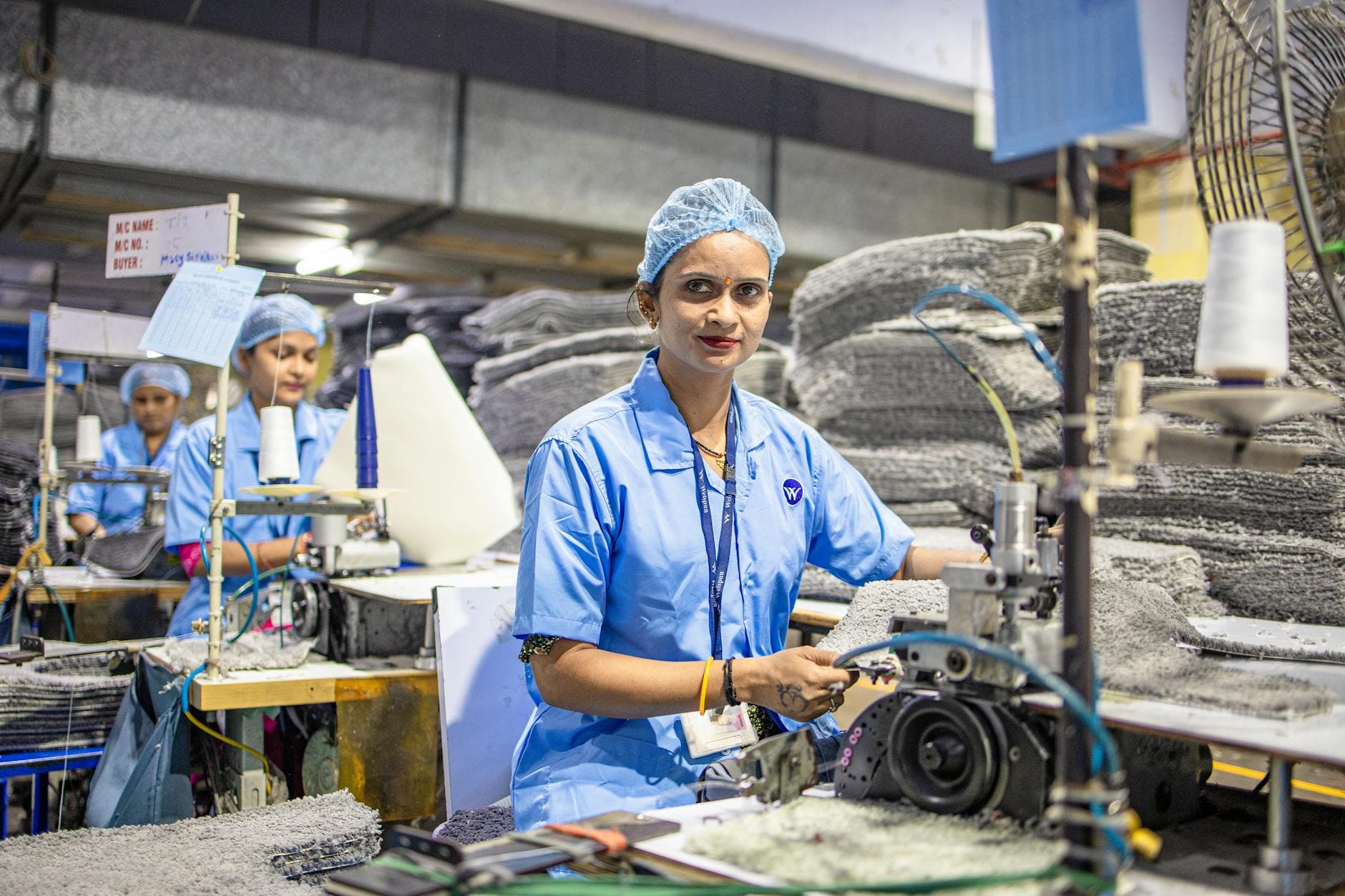
The industry has seen this logic before. The Rana Plaza collapse in Bangladesh on April 24, 2013, killed more than 1,100 workers and remains the deadliest disaster in garment industry history, a grim reminder of what happens when accountability is outsourced along with production. Efforts to rebalance that system include the Responsible Contracting Project, which says contracts should bind both buyer and supplier to uphold human-rights and environmental standards, and ACT, the brand-retailer and union agreement that links purchasing practices to living wages through collective bargaining.
The pressure is especially stark in India, where Transparentem says the textile and apparel industry employs more than 45 million workers. Its work there began with investigations of 90 cotton farms in Madhya Pradesh between June 2022 and March 2023, uncovering conditions amounting to forced and child labor. Even as Cascale’s 2025 Better Buying benchmark, drawn from feedback from more than 1,200 suppliers, showed an overall purchasing-practices score of 66, down from 67 the year before, planning and forecasting fell from 59 to 56, the sharpest decline in the scorecard. In fashion, the contract is never just a contract. It is where labor risk, climate cost, and the price of a garment are decided long before the hanger.
This article was produced by Prism’s automated news system from verified source data, official records, and press releases, then run through automated quality and moderation checks before publishing. The system is built and supervised by the people who set the standards it runs under. Read our full AI policy.
Did this article answer your question?