Fashion's Green Claims Face Scrutiny as PFAS Rules Tighten
Fashion’s green story is colliding with PFAS bans and overproduction. As rules tighten, brands must prove sustainability with chemistry and volume, not slogans.

The credibility problem is no longer abstract
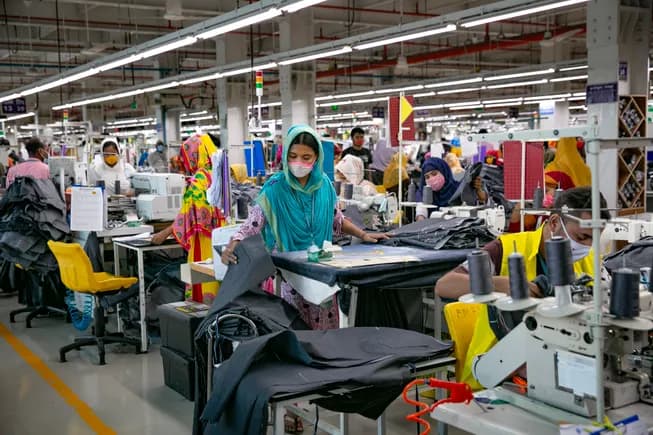
Fashion makes between 80 billion and 150 billion garments a year, and as many as 60 billion are left unsold. That kind of volume has turned “sustainable” from a feel-good label into a claim that has to survive hard math, sharper chemistry scrutiny, and a public that can spot a glossy contradiction from across the showroom.
The pressure is coming from two directions at once. PFAS, the long-lasting chemicals used to make fabrics water- and stain-resistant, are under heavier regulatory and public fire, while so-called sustainable collaborations continue to land in a market already flooded with product. The result is a credibility crisis: a brand can no longer rely on a recycled hangtag, a muted palette, or a one-off capsule to offset the fact that it is still producing too much, too often, and sometimes with chemistry that is becoming harder to defend.
PFAS is the material story fashion can’t style away
PFAS have been embedded in apparel for years because they work. They give shell jackets that slick, weatherproof finish, keep performance skirts from spotting, and help technical fabrics shrug off rain and stains. But what once looked like practical innovation is now being reexamined through a very different lens, one shaped by persistence, toxicity concerns, and the reality that these substances do not simply disappear when a garment is worn out.
The European Environment Agency says textiles are one of the biggest sources of PFAS pollution in Europe. It also warns that PFAS in textiles can stand in the way of longer use, reuse, recyclability, and the wider shift toward a circular economy. That matters because fashion’s sustainability language increasingly leans on circularity, yet the chemistry in the cloth can make true circulation far more difficult than the marketing suggests.
The rules are tightening faster than the slogans
The policy map is changing quickly enough to make vague promises look lazy. California’s AB 1817 bans added PFAS in textiles starting in January 2025, and New York and Colorado also restrict PFAS in outdoor apparel. For brands selling rainwear, ski shells, outerwear, or any garment that depends on a clean water-repellent finish, this is no longer a distant compliance conversation. It is a design, sourcing, and labeling problem with real consequences.
That shift matters because the sustainability conversation in fashion has long depended on broad, attractive language. “Better materials” sounds reassuring. “Responsible innovation” sounds forward-thinking. But when states are already writing PFAS restrictions into law, the claims that become hardest to defend are the ones that stay vague: green collaborations that add more inventory, “conscious” drops built on the same old overproduction model, or performance pieces that are marketed as progress while still carrying chemistry under mounting scrutiny.
What real chemical accountability looks like
Levi Strauss & Co. offers a useful contrast because it treats PFAS less like a branding issue and more like a materials management issue. The company says it adopted one of the first apparel Restricted Substances Lists in 2000, and the Natural Resources Defense Council gave it an A+ in 2022 for its PFAS elimination policy, the highest ranking among 30 top U.S. apparel brands surveyed. That does not make Levi perfect, but it does show what a more credible path looks like: set restrictions early, make the chemistry legible, and follow through.
That kind of discipline is what shoppers are likely to trust more as regulations multiply. A serious PFAS phase-out is not a mood board, and it is certainly not a pastel collaboration logo. It is a process of cutting out problematic substances, documenting what remains, and proving that the garment can still meet its purpose without leaning on chemicals that are becoming a liability.
Overproduction is the other half of the problem
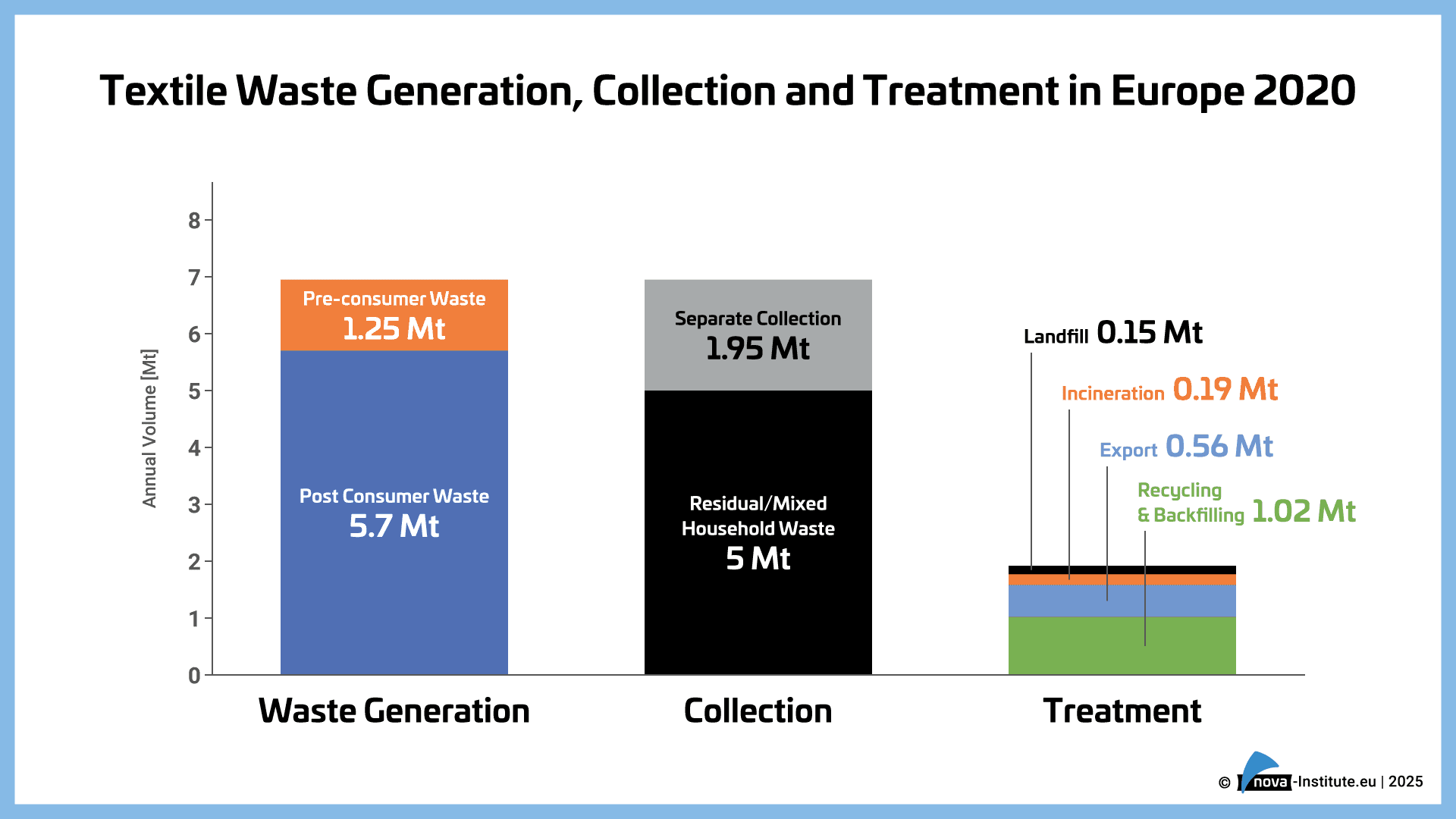
Even if a brand cleans up its chemistry, it can still fail the sustainability test if it keeps flooding the market. The Interline cites estimates that fashion produces between 80 billion and 150 billion garments each year, with 8 billion to 60 billion left unsold. That excess is not a footnote. It is the structural contradiction at the center of the industry’s greenest storytelling.
This is why “sustainable collaborations” are so easy to question. A limited-edition drop wrapped in earth tones and recycled-fiber language can still be part of the same volume machine, especially if it simply adds another production run to an already swollen calendar. Sustainability cannot mean more product with a cleaner label. If the collaboration creates fresh inventory without reducing total output, the claim begins to look decorative rather than durable.
What to trust now, and what to treat with caution
The most credible sustainability language in fashion is getting narrower, more specific, and less romantic. It points to measurable actions, not broad aspirations.
- Clear PFAS phase-outs, not vague “clean chemistry” promises
- Products that are actually compliant with current rules in places like California, New York, and Colorado
- Brands that can explain how they reduced risk in outerwear, performance wear, and stain-resistant fabrics
- Collections that are not just “responsible” in tone, but smaller in volume
- Circular claims that account for whether a fabric can truly be reused or recycled without chemical barriers
The old formula was easy to stage: announce a green collaboration, photograph the soft-focus imagery, and let the label do the persuading. That formula is breaking down. As PFAS rules tighten and overproduction stays impossible to ignore, the brands that last will be the ones that can prove their sustainability claims with fewer toxins, fewer units, and a more honest relationship to what fashion actually makes.
This article was produced by Prism’s automated news system from verified source data, official records, and press releases, then run through automated quality and moderation checks before publishing. The system is built and supervised by the people who set the standards it runs under. Read our full AI policy.
Did this article answer your question?