Ferragamo expands leather traceability as EU sustainability rules tighten
Ferragamo is turning leather origin into a compliance metric as the EU moves to ban destruction of unsold stock. The brand’s 2025 report is its first to quantify traceability, a bigger signal than it sounds.
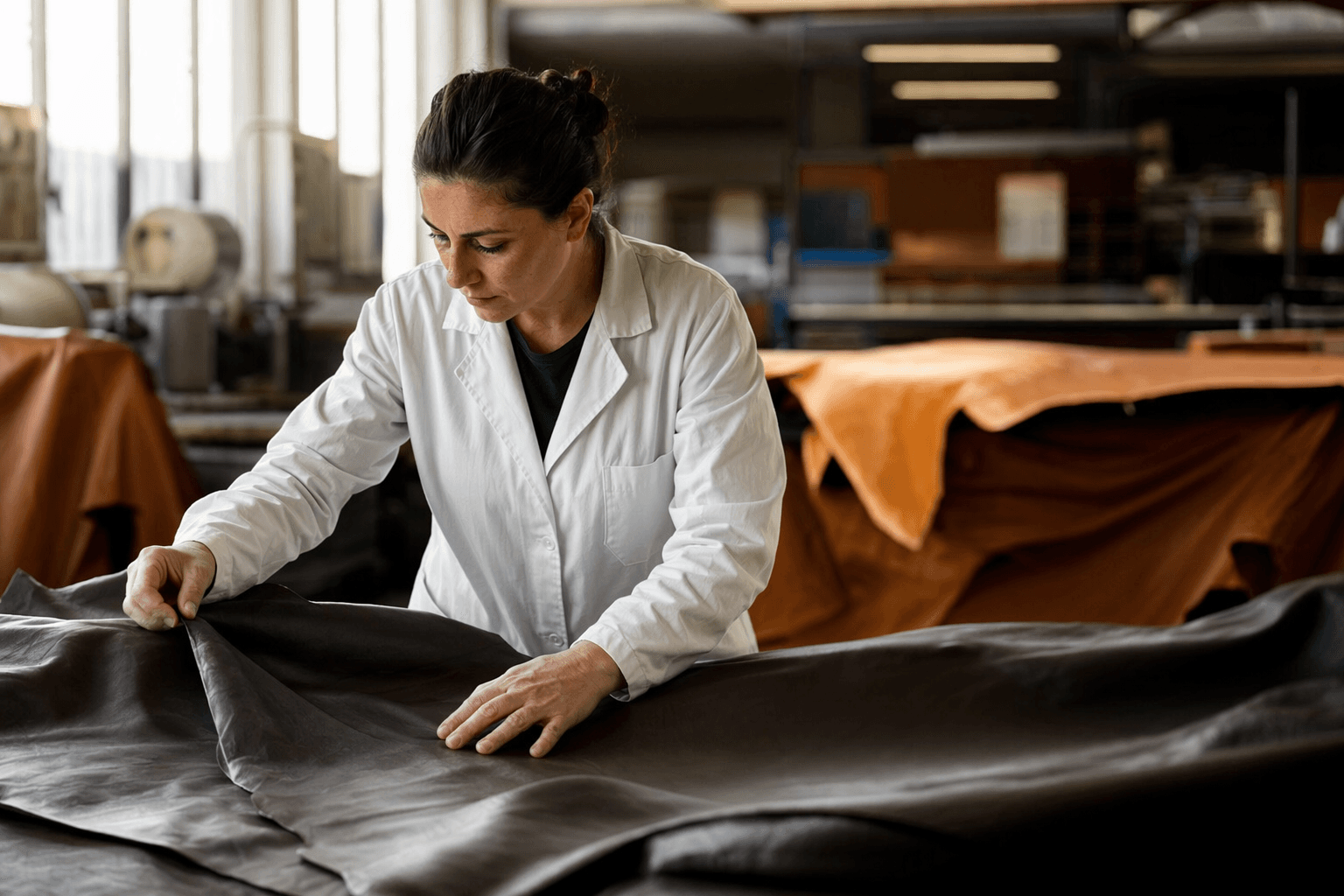
Ferragamo is treating leather traceability as more than a sourcing talking point. As the European Union tightens rules on unsold stock and waste, the Florentine luxury house has begun mapping the country of origin for much of the leather in its footwear and handbags, a first step toward the kind of proof brands will need when sustainability shifts from branding to compliance.
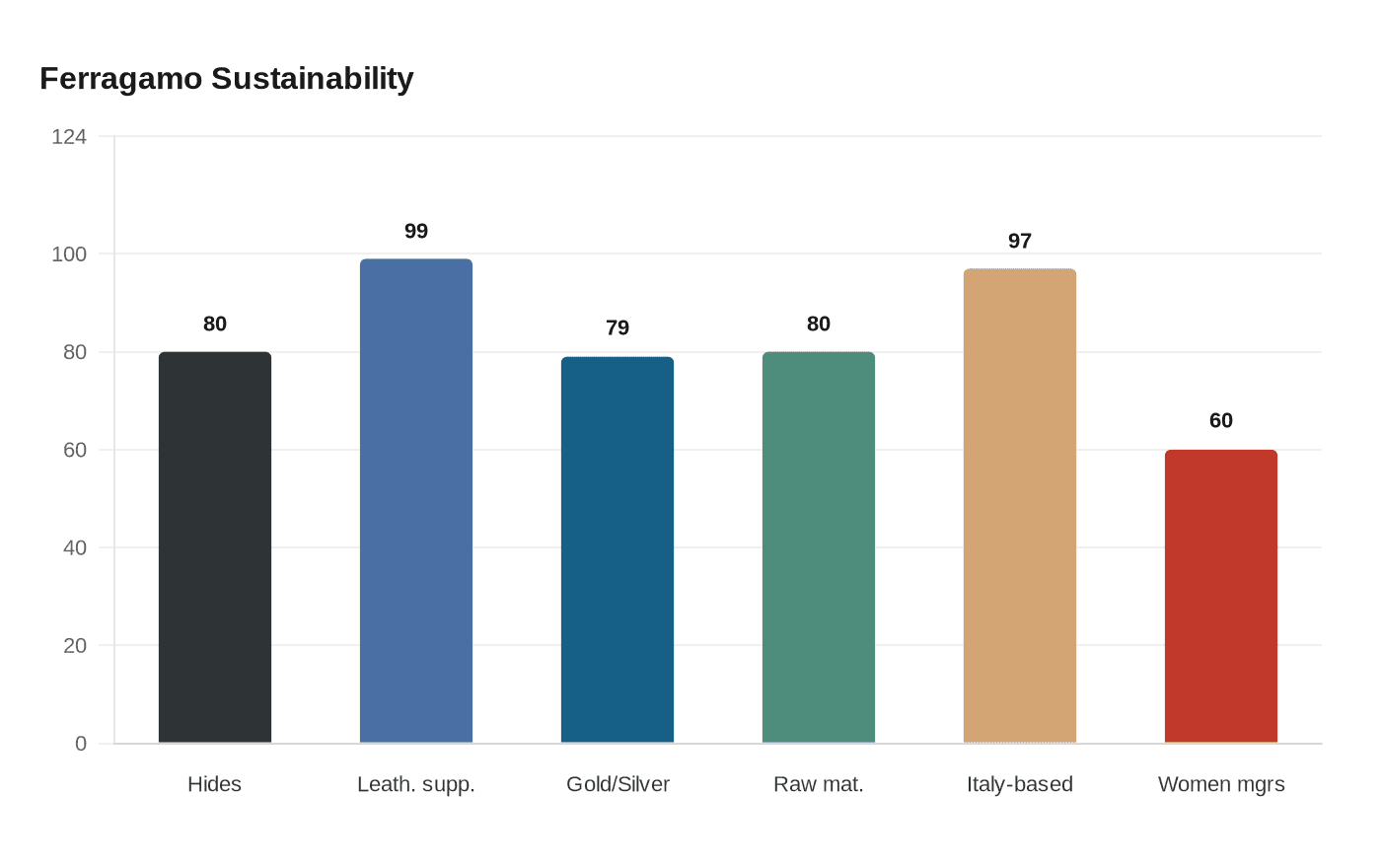
The company said it brought in strategic tanneries representing about 80% of the hides it buys in 2025 to identify raw-material origins through supplier declarations. Its 2025 sustainability report, released March 31, was the first to include figures on material traceability, a notable move in a category where leather is still far harder to track than fibers such as cotton. For a business that made €976.5 million in 2025 sales, with footwear and leather goods accounting for 86% of revenue, the stakes are obvious.
Ferragamo’s approach also shows how luxury supply chains are being forced into the light. The brand says more than 99% of its leather supplier turnover now comes from Leather Working Group-certified tanneries, with 79% from Gold- or Silver-certified tanneries. It also says more than 80% of its key raw materials are certified under third-party sustainability standards, while 97% of suppliers are based in Italy and women hold 60% of management positions. That is the new fashion equation: provenance, paperwork and performance all have to line up.

James Ferragamo, the company’s chief product officer and grandson of founder Salvatore Ferragamo, has framed the brand’s leather work as a more sustainable use of a core material. He said many partner tanneries control water use, treat workers fairly, monitor their own supply chains for deforestation risk and consider breeding and animal welfare. The message is clear: in leather, traceability is no longer the final flourish. It is the baseline.
That baseline is being reinforced in Brussels. On February 9, 2026, the European Commission adopted measures under the Ecodesign for Sustainable Products Regulation to stop the destruction of unsold apparel, accessories and footwear. Large companies will be barred from destroying unsold items from July 19, 2026, with medium-sized companies set to follow in 2030. The Commission estimated that 4% to 9% of unsold textiles in Europe are destroyed before they are ever worn, creating about 5.6 million tons of carbon dioxide a year, almost equal to Sweden’s total net emissions in 2021.
Francesca Romana Rinaldi, director of the Monitor for Circular Fashion at SDA Bocconi School of Management, has said traceability is essential but not sufficient because it is what makes sustainability and circularity possible. Her warning lands hard here: companies that do not trace materials do not really know their supply chains, and the brands that cannot verify origin or unsold-stock practices will be the ones most exposed as Europe’s rules move from theory to enforcement.
This article was produced by Prism’s automated news system from verified source data, official records, and press releases, then run through automated quality and moderation checks before publishing. The system is built and supervised by the people who set the standards it runs under. Read our full AI policy.
Did this article answer your question?


