Great British Wool Revival Reconnects Farmers and Designers in Britain
British wool is being rebuilt as a working fashion system, with farmers, designers and brands testing whether local fleece can finally earn its keep.
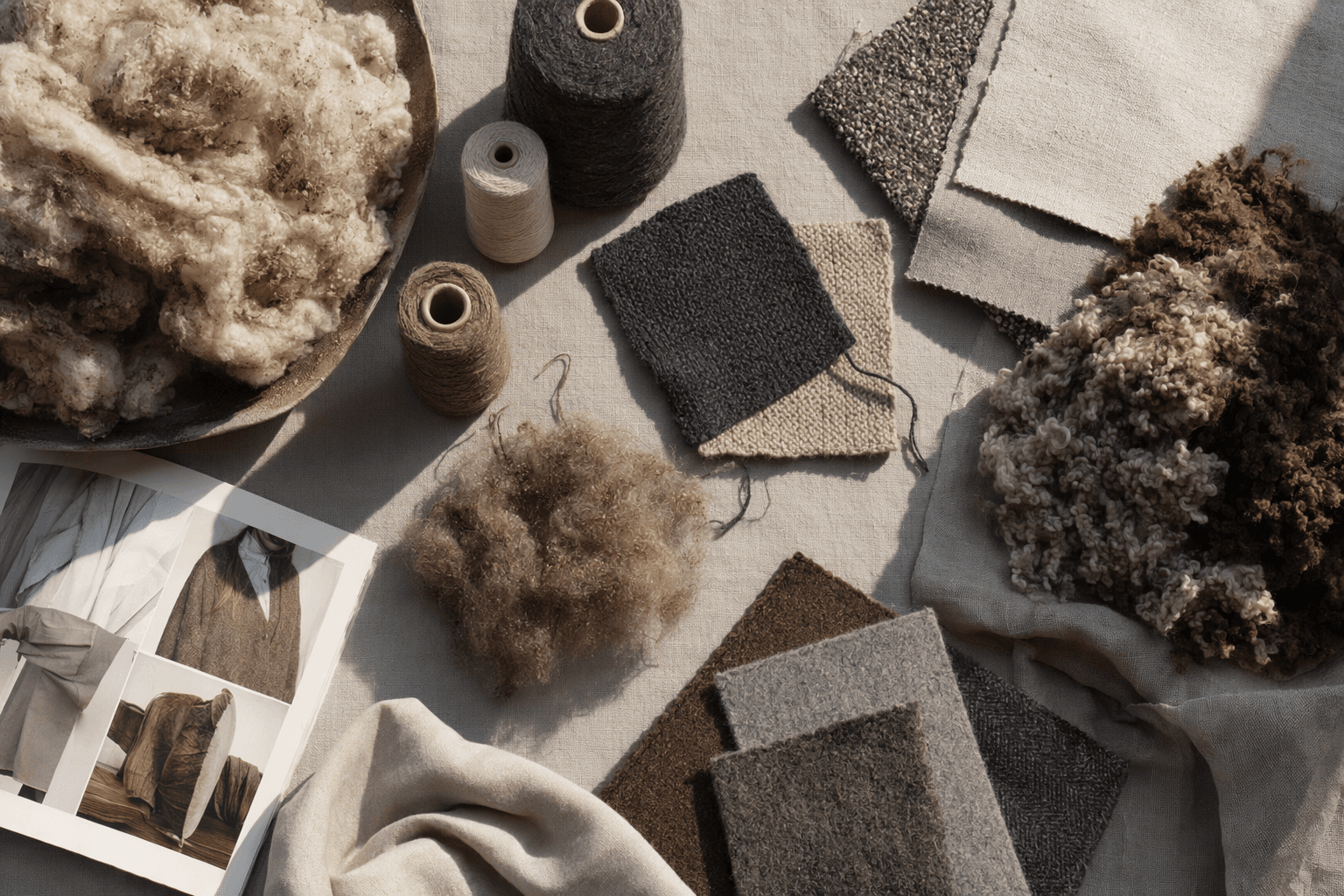
A fibre system, not a souvenir
British wool is back in the conversation, but this revival is not about nostalgia. The real question is whether a fleece clipped in the UK can travel through sorting, processing, design and retail at a price that rewards the farmer as well as the brand. The Great British Wool Revival is trying to make wool commercially legible again, as a local, value-added material rather than a romantic afterthought.
That is what makes the project distinctive. Fashion Roundtable has spent years talking to farmers, designers, micro-entrepreneurs and multinational organisations about a supply chain it describes as fractured, disconnected and broken. The answer it has built is a bridge between field and fashion: not a glossy campaign, but a system designed to reconnect people who rarely meet each other, let alone trade with one another.
Why the price still matters
The economics are the whole story here. British Wool works with more than 30,000 sheep farmers across the UK, marketing fleece collectively, and the scale is huge enough to matter in any serious discussion of domestic fibre. The 2024 clip totalled 19,290,044 kg; by 30 April 2025, 82% had been sold at an average price of £1.00/kg, with an overall average of 99.5 p/kg for the full clip.
Those numbers explain why revival language has to be paired with hard commercial reality. British Wool has said that even improved returns still fail to cover shearing costs for many farmers. That is the pressure point: if the price of wool cannot meet the cost of getting it off the animal, no amount of heritage framing will persuade farmers to keep treating it as a valuable crop.
British wool is already used in fashion, textiles, insulation and carpets, and British Wool says it is valued worldwide for its durability and environmental credentials. The industry problem is not lack of usefulness. It is that cheap imports and fast fashion have trained the market to see fleece as a low-value byproduct rather than a material worth designing around.
From farmer to designer
The Great British Wool Revival is being positioned as a practical response to that collapse in value. Launched in 2024 through The King’s Foundation’s Future Textiles initiative, and established in September 2024 with The King’s Foundation and YOOX Net-a-Porter Group alongside the Modern Artisan programme, the project is trying to rebuild the links that turn raw wool into a finished product people actually want to buy.
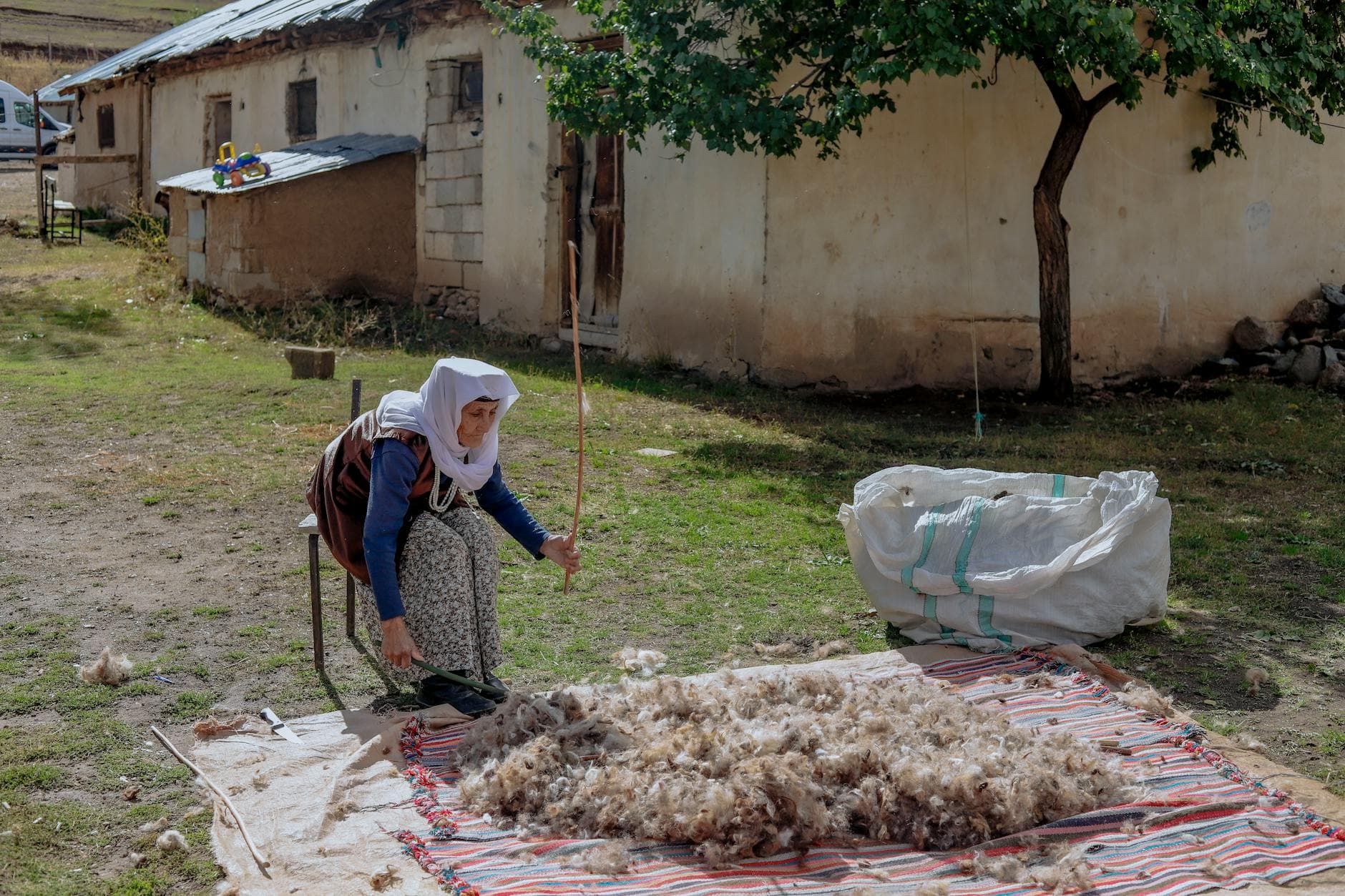
The King’s Foundation says the aim is to reconnect supply from farmer to designer and support best practice and Made in the UK principles from field to final product. Fashion Roundtable has made the platform open-source, with an interactive map of stakeholders, resources and case studies. That matters because a local fibre economy cannot run on inspiration alone; it needs visible pathways, technical knowledge and enough buyers to justify the effort.
There is also a cultural reset inside that technical work. British wool has deep roots, with British sheep farmers supplying the fibre for generations, and the material has long served everything from clothing to insulation. Broader industry summaries place wool from British sheep in use since the Bronze Age and note that it has been an export product for more than 1,000 years. The modern value of that history is not sentimentality. It is proof that wool once sat at the center of a functioning economy, not the margins of one.
What the summit is testing
The most concrete proof point arrives at Dumfries House on Wednesday 20 May 2026, where Fashion Roundtable and The King’s Foundation are staging what they call the first “farm to fashion” and “clip to consumer” event of its kind. Farmers, manufacturers, designers, brands, innovators and creatives will gather for panels, workshops and live demonstrations, which is exactly the kind of mixed-room format this sector has been missing.
That summit is important because it tests whether wool can move from rhetoric to retail. If brands cannot source it easily, if processing is too thin on the ground, or if the price still leaves farmers underwater, the story stops at the conference door. If the chain works, the summit becomes more than a showcase: it becomes infrastructure, a way to normalize British wool as a current material with current commercial value.
The sharpest commercial signal so far is a small one, which is often how real shifts begin. Farmers Guardian reported that a Dumfries House wool scarf sold out in under 48 hours. That kind of response matters because it shows provenance can sell when it is matched with design, traceability and a product that feels desirable rather than dutiful.
The Great British Wool Revival is not asking consumers to buy a fantasy of rural Britain. It is asking the industry to rebuild the economics that let wool move cleanly from sheep to shop floor. If that happens, British wool will stop being treated as a residual material and start behaving like the local fibre system it has always had the potential to be.
This article was produced by Prism’s automated news system from verified source data, official records, and press releases, then run through automated quality and moderation checks before publishing. The system is built and supervised by the people who set the standards it runs under. Read our full AI policy.
Did this article answer your question?


