UN expands student-led circular uniform project with new accessories phase
Students at Central Saint Martins and the Swedish School of Textiles are now designing UN guide accessories that will move from class project to real uniforms in 2026. The test is whether circular design can scale.
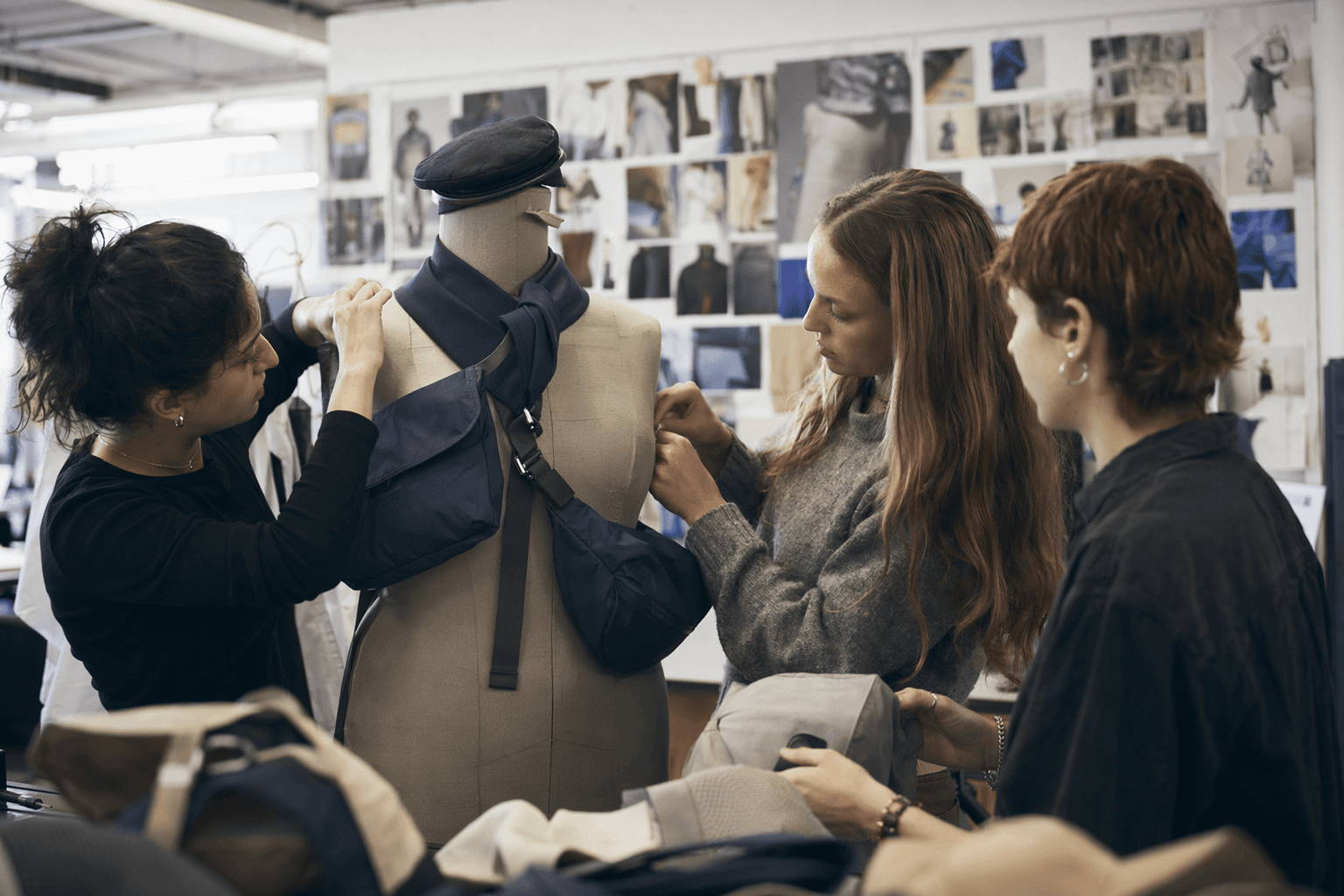
The sharpest thing in the United Nations’ uniform project is not a jacket or a hemline, but the handoff from classroom to corridor. Twenty-five UN guides, who welcome roughly 250,000 visitors to Headquarters each year, will soon wear student-designed accessories that are meant to work in public, not just on a studio table.
The next phase of the project was announced in New York on 28 April 2026 during Design Matters: Shaping a Sustainable Future Through Fashion at UN Headquarters. Funded by the Paul Frankenius Foundation, the new chapter brings ten master’s students from Central Saint Martins and ten from the Swedish School of Textiles into the process, with a focus on circular design, sustainable materials and responsible production. A selection of the accessories is expected to go into production in 2026, which makes this more than a celebratory campus exercise. It is a procurement model, with the UN itself acting as the buyer and the wearer.
That is what gives the initiative its bite. Annemarie Hou framed the collaboration as proof of what becomes possible when a global institution works directly with leading design schools, while Paul Frankenius cast support for the next generation as one of the fastest ways to accelerate change. Per Götesson described the partnership as a valuable exchange around sustainability, innovation and the future of fashion, and Karin Landahl said it lays foundations for creativity to flourish. Behind the diplomatic language is a simple and useful idea: if students can design for an institution with real public-facing needs, circularity stops being an abstract classroom value and starts behaving like a supply-chain decision.
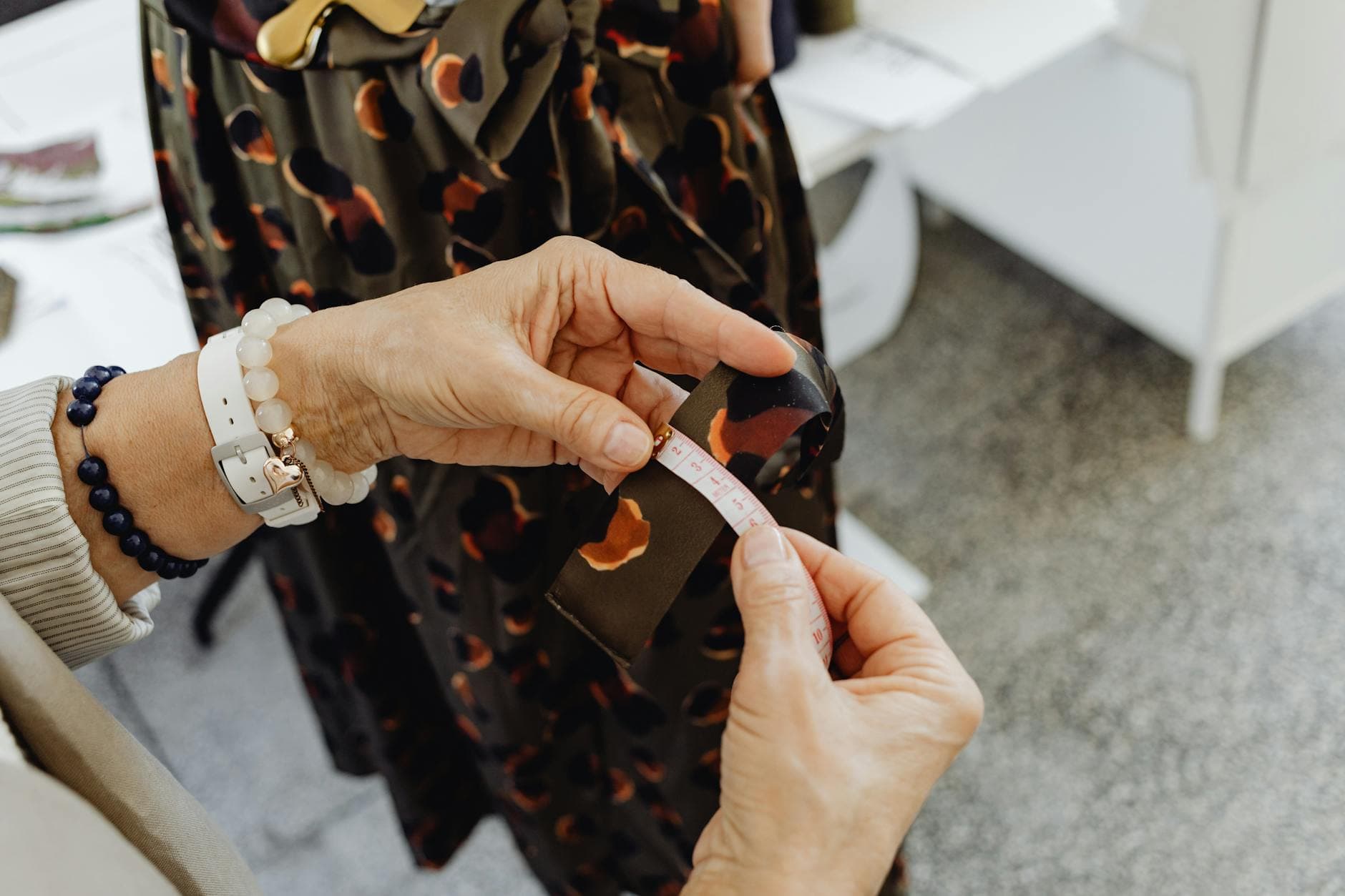
The 2026 accessories phase builds on a 2025 uniform debut that the UN described as the first time a fashion school led the design of its tour guide uniforms and the first time sustainability sat at the center of the brief. That collection, launched on Earth Day, 22 April 2025, was shaped by 20 students from the Swedish School of Textiles and presented as part of the organization’s sustainability messaging. The design language was practical rather than precious, with repurposed deadstock fabrics, adjustable waistlines, natural fibers, digital printing and Corozo buttons replacing the usual institutional blandness.
There is also a longer lineage here. UN Tour Guides have welcomed visitors since 1952, and the current 25 guides are now wearing a uniform system that is being updated through education, not just procurement. That is what makes the project stand out in a crowded field of sustainability announcements: it offers a working template for public-sector wardrobes, from schools to service programs, where the measure of success is not visibility alone, but whether the clothes actually get worn.
This article was produced by Prism’s automated news system from verified source data, official records, and press releases, then run through automated quality and moderation checks before publishing. The system is built and supervised by the people who set the standards it runs under. Read our full AI policy.
Did this article answer your question?


