Festival Fashion's Roots, and Why Today's Trends Drive Overconsumption
Festival style now sells a fantasy of one-night-only dressing. The smarter move is to rewear, rent, thrift, and skip the cultural copy-paste.
The problem with a one-weekend outfit
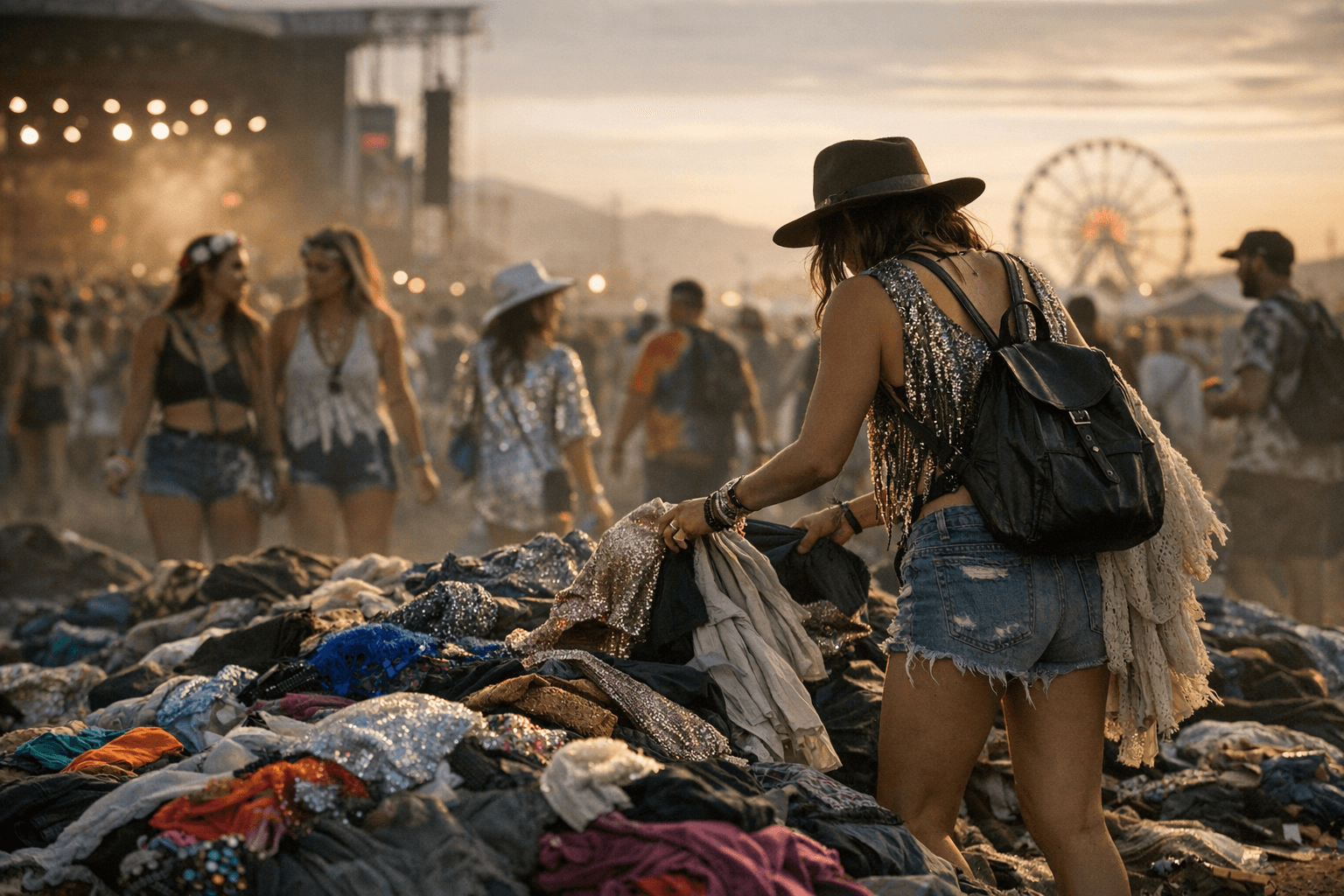
Festival dressing has gotten weirdly expensive for something that only needs to survive a weekend, a heat wave, a muddy field, and a camera roll. The current festival-edit cycle encourages exactly the wrong instinct: buy something loud, wear it once, post it, forget it. Good On You traces the look back to Woodstock 1969, but what began as a loose, lived-in style has been squeezed into a highly curated formula that keeps feeding overconsumption.
That matters because fashion is not just a closet issue, it is a climate issue. UNEP says brands, designers, imagemakers, and the media shape the way people consume, and the industry is widely cited as responsible for about 10 percent of global carbon emissions. When the trend machine tells you your outfit needs to be new every single festival, it is not selling freedom. It is selling turnover.
From Woodstock to the influencer feed
The original festival reference point, Woodstock 1969, still hangs over the whole category. But the aesthetic has changed from practical, weather-ready dressing into something more polished and much more disposable. Today’s festival look is often built around trend pieces designed to photograph well for a moment, not to live beyond it.
That shift is exactly why festival style has become such a dangerous retail trap. A look that should be about comfort, movement, and personal taste gets recast as a content assignment, and once the outfit is framed that way, one wear starts to feel normal. The result is a closet full of short-lived pieces that were never meant to do real work.
The environmental cost is built into the system
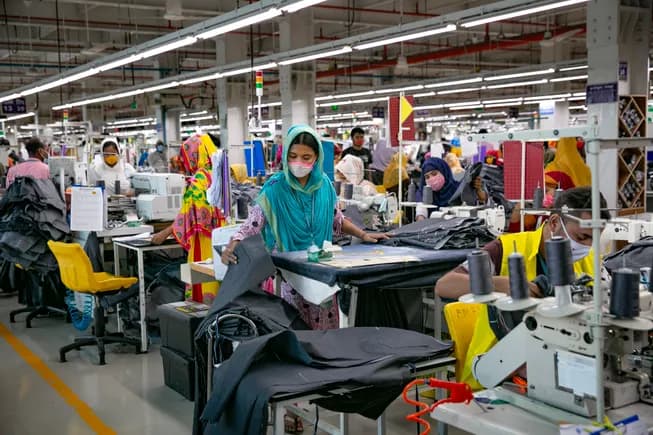
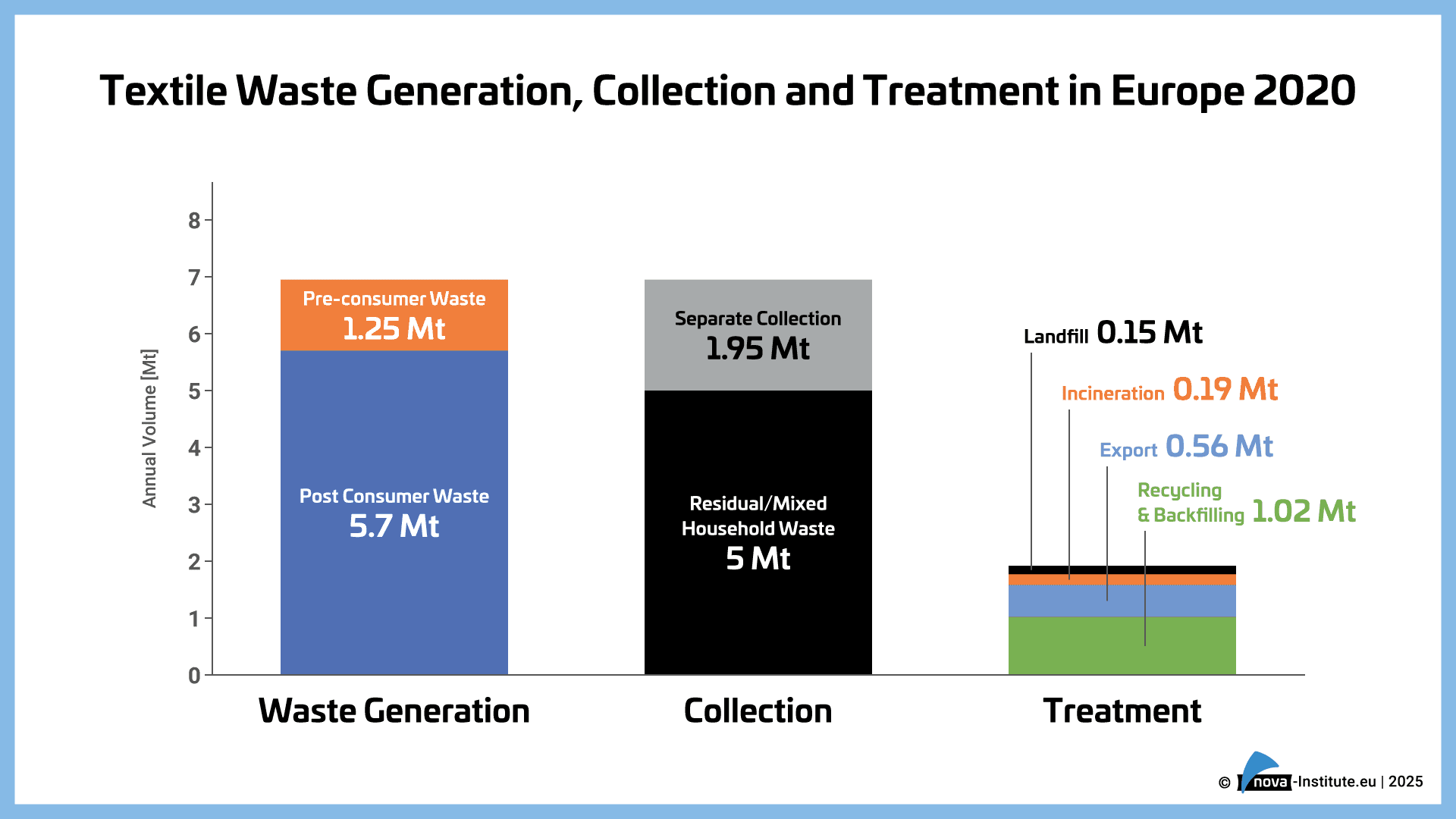
The fashion industry’s waste problem is not an accident, it is structural. The Ellen MacArthur Foundation has warned that the textiles system is still largely linear, with clothes often used only briefly before materials are discarded. That is the logic behind so much festival shopping too: buy fast, wear briefly, toss fast.
WRAP pushes the opposite idea, and it is the smarter one here. Keep clothing in use longer through reuse, repair, and better end-of-life systems. That means treating a festival outfit like something with a second and third life, not a one-night fantasy that dies in the back of a car trunk.
If you want the festival look to make sense, think in terms of durability, not novelty. The best pieces are the ones that can handle sun, dust, long walks, and another outing after the festival lights go down. A garment that can be reworn is already doing more than most trend buys ever will.
The festival sustainability gap is real, not theoretical
Some festivals are trying harder than others, and the contrast is telling. Glastonbury said in 2023 that all power needs across the site were met by renewable energy and fuels, including sustainable HVO made from waste cooking oil. That kind of move matters because it shows a major event can cut its footprint when it treats sustainability as infrastructure, not branding.
Coachella, meanwhile, says it works with Global Inheritance and runs donation centers to reduce waste. But reporting on Coachella has also estimated substantial waste, which is the part people like to skip past when they are busy styling the perfect desert look in Indio, California. The message is simple: a sustainability page does not erase the environmental strain created by huge crowds, single-use styling habits, and the retail frenzy around the event.
The appropriation problem is part of the same story
Festival fashion also keeps tripping over cultural appropriation, and this is not a side issue. Styles and accessories borrowed from Indigenous, South Asian, and other cultures can get flattened into costume when they are stripped of meaning, context, or permission. Native fashion advocates have been clear that sacred or culturally specific items should not be reduced to trend fodder.
That is where the whole “festival as blank canvas” myth falls apart. A look is never neutral when it borrows from a culture with history and significance behind it, especially when the wearer has no connection to that tradition. The easy answer is not to strip out all character from dressing, but to be more disciplined about what you borrow, why you borrow it, and whether you are treating someone else’s identity like an accessory.
How to build a festival look without feeding the cycle
The better festival outfit is the one that already makes sense in your closet, with a few smart additions. Instead of chasing the newest edit, start with pieces you can rewear after the music stops. That is how you get out of the one-and-done trap and into something that actually feels styled.
- Rewear what you already own, especially durable basics that can handle heat, movement, and a long day.
- Shop secondhand first. Vintage and resale are where the interesting textures and worn-in silhouettes usually live anyway.
- Rent the statement piece if you want drama without adding another short-life item to your closet.
- Swap with friends for a weekend look that feels fresh without becoming another purchase.
- Choose lower-impact materials when you do buy, then keep the piece in rotation long after the festival ends.
- Repair instead of replacing. A loose seam or tired hem is not a reason to start over.
The point is not to dress boring. It is to dress with some self-respect, some discipline, and a little less surrender to the machine. Festivals will always be about performance, but your wardrobe does not have to perform the same disposable script every time. The most interesting look now is the one that can survive the season and still make sense when the crowd moves on.
This article was produced by Prism’s automated news system from verified source data, official records, and press releases, then run through automated quality and moderation checks before publishing. The system is built and supervised by the people who set the standards it runs under. Read our full AI policy.
Did this article answer your question?