Sustainable Sunglasses Pair Style With UV Protection and Lower-Impact Materials
The best shades do two jobs at once: protect your eyes and expose how much waste is hiding in the frame, lens, and finish. STYLE only counts when the materials story holds up.

Sunglasses should do more than finish a look
The smartest pair on the table is not the loudest one. It is the one that blocks UV properly, survives real wear, and does not hide a dirty materials story behind a glossy finish. Good On You’s sustainable sunglasses guide lands on the right tension: sunglasses are fashion, yes, but they are also eye protection, and that changes the standard.
The American Academy of Ophthalmology is blunt about the risk. UV-A and especially UV-B rays can damage the eye’s surface, cornea, and lens, raising the odds of cataracts, macular degeneration, and other eye conditions. That is why the first thing to check is not the tint or the frame shape, but whether the lenses offer 100% UV or UV400 protection.
The UV rating is the non-negotiable
This is where style shoppers get careless. The AAO says many people forget to check the UV rating before buying a pair, which is wild when you think about how much money gets spent on frames that barely do the job. A dark lens that looks expensive is not enough. If the label does not clearly promise 100% UV or UV400 protection, the pair is cosmetic, not protective.
The other safety line is just as important. In the United States, sunglasses sold to consumers must comply with the FDA’s impact-resistant lens regulation under 21 CFR 801.410. That means a decent pair should be built not only to look good on your face, but to handle the practical abuse of daily life, from bag dumps to sidewalk drops.
The real sustainability question starts with the frame
This category has a material problem, and it is not subtle. A lot of eyewear still leans on virgin plastic or animal-derived materials, which makes the “sustainable” label feel flimsy unless the brand can explain what it actually changed. Sustainable eyewear now often points to recycled plastics, bio-based acetate, recycled metals, wood, bamboo, and reclaimed ocean plastics, but those claims are only as good as the sourcing behind them.
That is the part to scrutinize: not just what the frame is made from, but where those materials came from and how much of the product is actually lower-impact. Bio-based acetate sounds better than standard plastic, and sometimes it is, but the useful question is whether the brand tells you enough about the feedstock and the supply chain to justify the claim. If the answer is vague, the sustainability pitch is doing more styling than substance.
What to look for beyond the vibe
A pair can be beautifully cut and still be made in a way that makes it hard to repair, reuse, or recycle. That is the hidden material problem in accessories: brands love the front-facing story, but the back-end life of the product is what determines whether it becomes another throwaway object. Metal frames can be a better bet when the materials are more recyclable, but only if the construction allows them to be separated and recovered rather than fused into a dead-end mix of parts.
The smartest move is to look at the frame as a system, not a silhouette. Ask whether the nose pads, hinges, screws, and lenses can be replaced. Ask whether the brand sells spare parts. Ask whether the temples are designed for repair or engineered to fail. A lower-impact pair is not just one that starts cleaner, but one that can stay in rotation longer.
A quick buying checklist
- Check for 100% UV or UV400 protection before anything else.
- Confirm the sunglasses meet impact-resistant lens standards in the U.S.
- Read the materials list closely: recycled plastics, bio-based acetate, recycled metals, wood, bamboo, or reclaimed ocean plastic are the terms that signal a lower-impact story.
- Look for repairability. If the lenses, screws, or temples cannot be replaced, the frame is more disposable than it first appears.
- Prefer brands that explain sourcing, not just materials. “Eco” without detail is usually just decoration.
Circularity matters because fashion waste is not slowing down
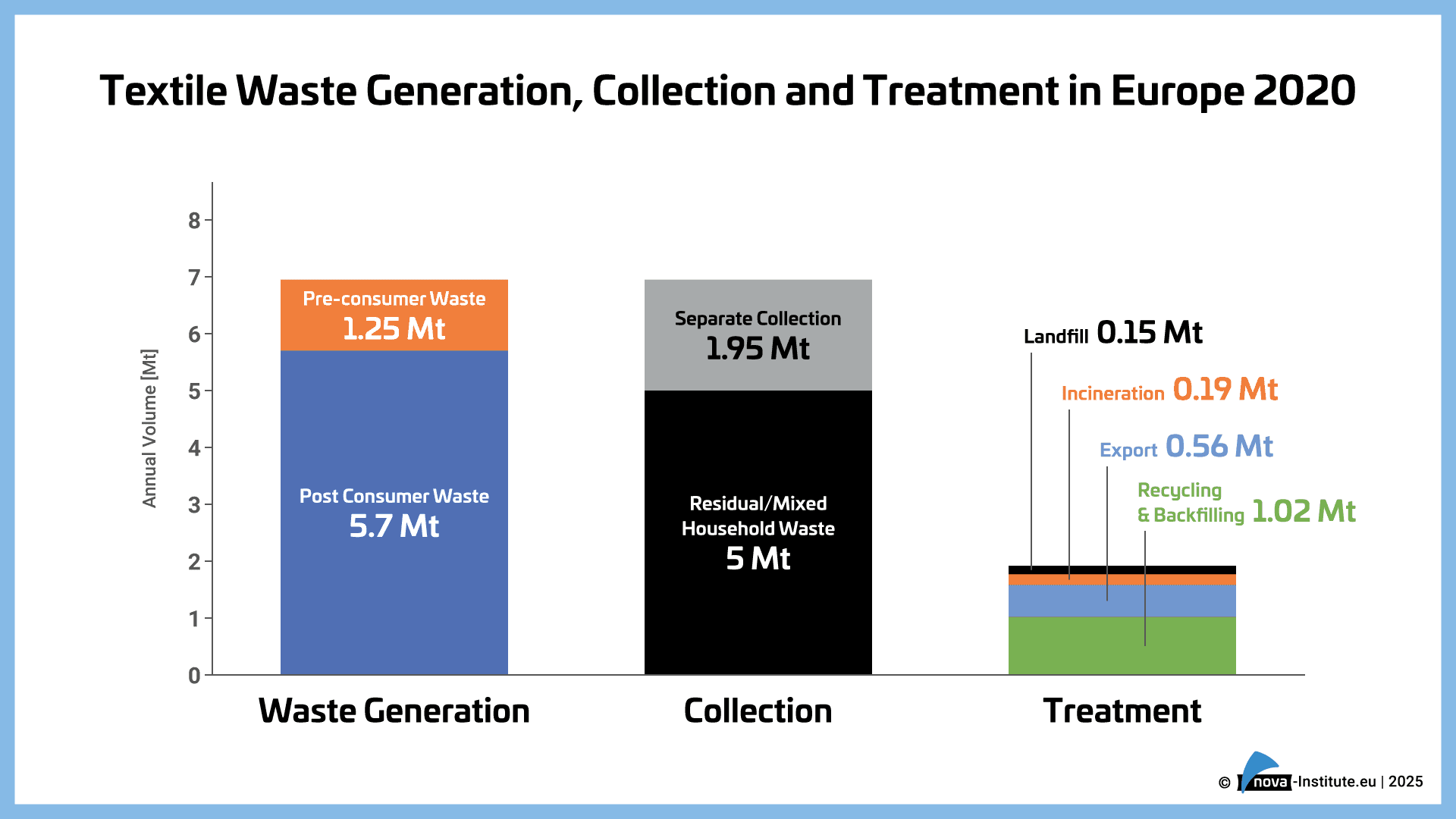
The reason this conversation is bigger than sunglasses is that the same waste logic runs through all of fashion. The U.S. Government Accountability Office reported that textile waste in municipal solid waste increased by about 80% between 2000 and 2018, which is a blunt reminder that low-impact buying matters even in smaller categories. Sunglasses may be compact, but they still follow the same system: overproduction, fast replacement, and too little thought about what happens after the trend cycle moves on.
That is why take-back, trade-in, and recycling programs matter. Some eyewear companies now offer them, and that is not just nice branding. It is one of the few ways the category starts to move toward a circular model, where the frame does not have to end the minute you stop wearing it.
How to read a sustainable eyewear claim
A polished campaign shot is easy. A real sustainability case is harder. If a brand is serious, it should be able to answer a few basic questions without smothering you in marketing haze: Is the frame made with recycled content or just marketed as “eco”? Is the acetate bio-based, and what does that actually mean? Is the metal recyclable in practice? Can the lenses be replaced? Can the frame be repaired? Does the brand take the product back when you are done with it?
That is the point of buying better sunglasses: not to collect another feel-good object, but to choose a pair that performs as style and as gear. The best frames look sharp in daylight, protect your eyes when the sun is brutal, and leave a lighter footprint when they finally leave your face.
This article was produced by Prism’s automated news system from verified source data, official records, and press releases, then run through automated quality and moderation checks before publishing. The system is built and supervised by the people who set the standards it runs under. Read our full AI policy.
Did this article answer your question?