France Fines Refashion €170,000 Over Textile Collection Failures
France fined Refashion €170,000 after its textile take-back system failed to collect waste free of charge from operators like Emmaüs and Le Relais. The penalty exposes how expensive discarded clothes have become to handle.
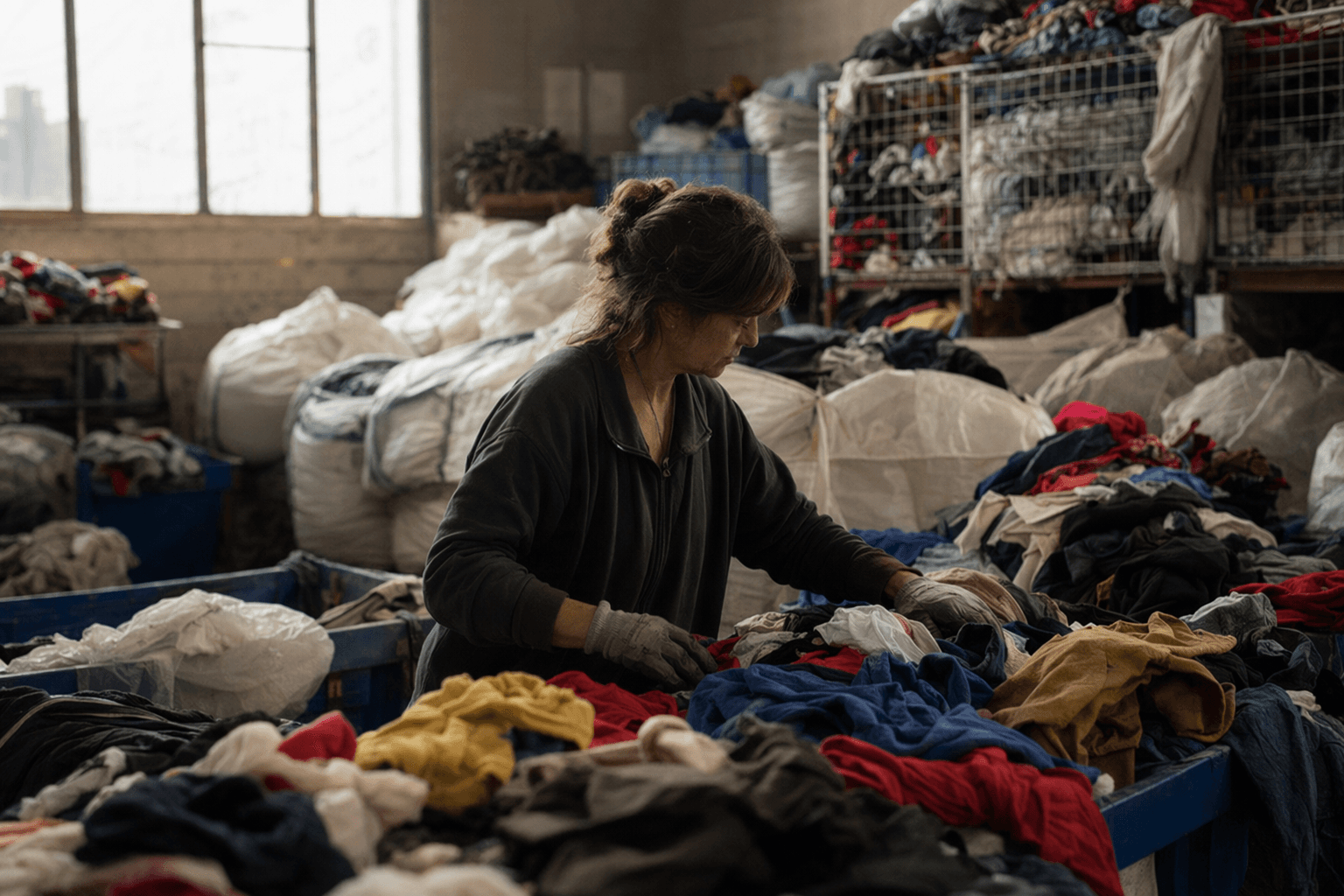
Refashion’s €170,000 fine landed as a blunt reminder that even France’s most advanced textile recovery system is struggling to keep up with the clothes it helped create. The French Ministry of Ecological Transition confirmed the penalty after the Direction générale de la prévention des risques sent a sanction letter to Refashion on 27 April 2026, citing failures tied to the organisation’s duty to collect textile waste free of charge from collection operators. For groups such as Emmaüs and Le Relais, that has meant handling garments the system was supposed to take back.
The stakes are bigger than one penalty. France launched textile extended producer responsibility in 2007, becoming the first country in the world to do so, and Refashion is still the country’s only textile producer responsibility organisation. Yet the numbers show a system under pressure: in 2022, only 31% of discarded textiles were collected separately. Of the clothing that did make it into the stream, 72% was sorted after collection. Even then, the economics were unforgiving. About 60% of the textiles deemed reusable after sorting were actually reusable, but only 5% of those reusable items were sold in France. The other 95% were exported internationally.
That gap explains why a pile of old T-shirts and worn denim has become a financial problem, not just a waste problem. Low-value fast fashion has flooded the market with garments that are harder to resell, less durable to recycle and more expensive to process. At the same time, private resale platforms have reshaped where value lands, leaving municipal collectors and social enterprises with the least profitable end of the chain. When Refashion misses its obligations, the consequences do not stay abstract. They show up as overloaded bins, strained collection networks and pressure on the people who sort, store and move the clothes.
The government is now pushing harder on the system it already funds heavily. Refashion’s 2023 to 2028 roadmap is backed by about €1.2 billion, and officials have signaled tighter oversight, including audits and stricter financial controls. Le Parisien reported that the sanction covered failings in 2024 and 2025, underscoring that the issue is not a one-off lapse but a structural test of who pays for textile waste.
For consumers, brands and municipalities, the message is hard to miss: when a country pioneers textile EPR and still cannot collect enough used clothing cleanly and cheaply, the next phase is likely to bring fewer easy drop-off points, more rules and a sharper bill for waste that was once treated as someone else’s problem.
This article was produced by Prism’s automated news system from verified source data, official records, and press releases, then run through automated quality and moderation checks before publishing. The system is built and supervised by the people who set the standards it runs under. Read our full AI policy.
Did this article answer your question?


