France's Ecobalyse grows, exposing fashion's biggest footprint drivers
Ecobalyse's textile database has more than doubled in three months, exposing how raw materials and manufacturing still drive fashion's footprint. France is tightening the screws.
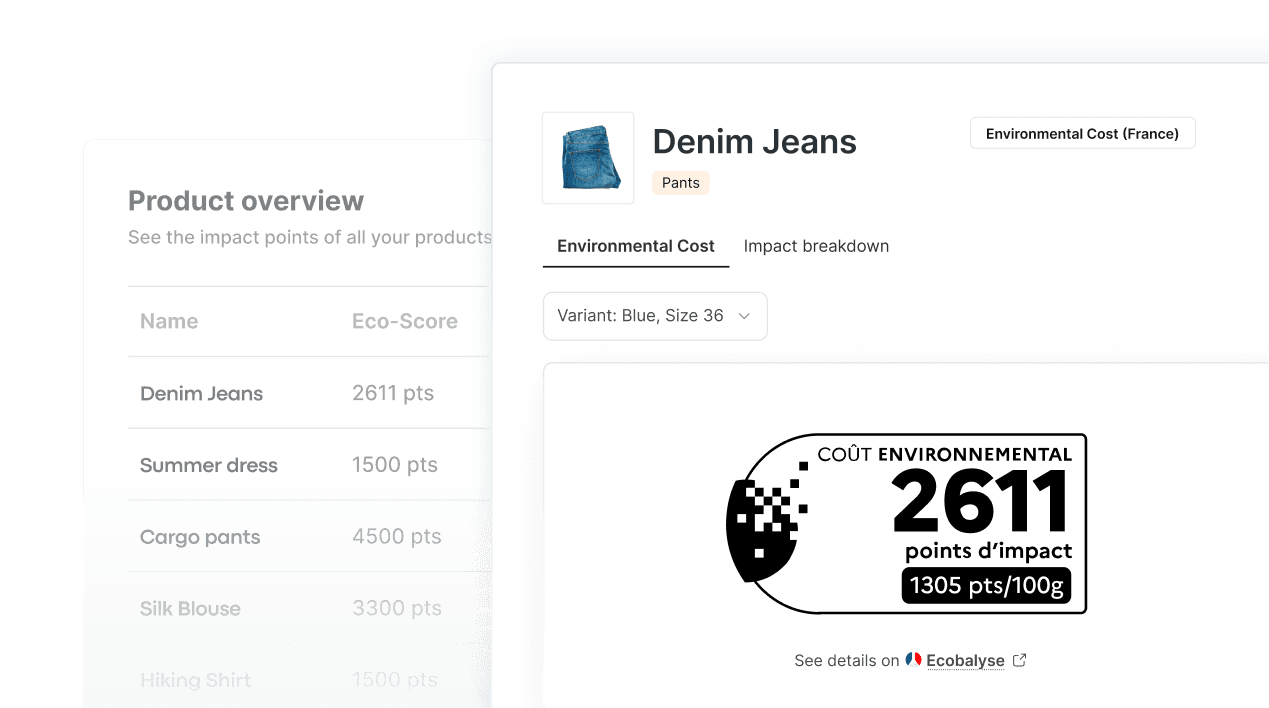
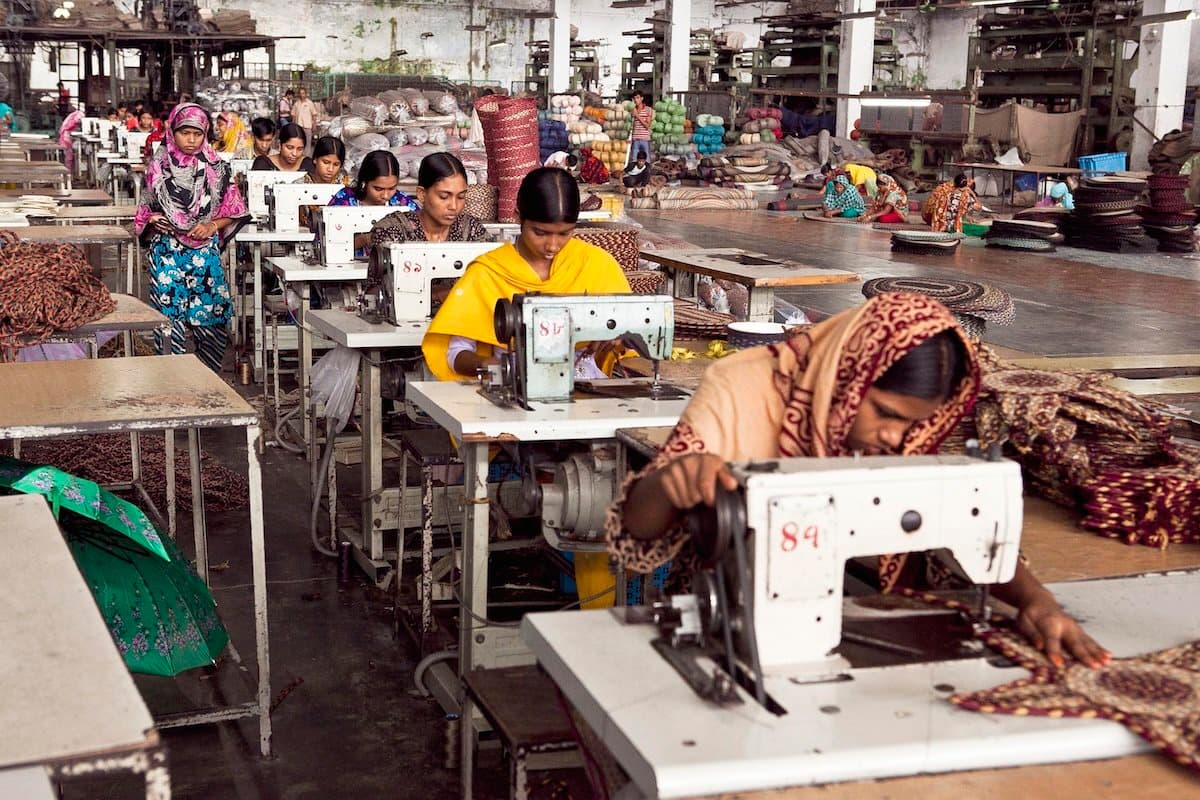
Ecobalyse’s textile database has more than doubled in three months, and the expansion is making one thing harder for brands to disguise: the biggest hit still comes from the cloth itself, not the gloss of downstream fixes. France’s official textile calculator is now forcing the industry to look upstream, at fiber choice, factory work and the supply-chain data behind every label.
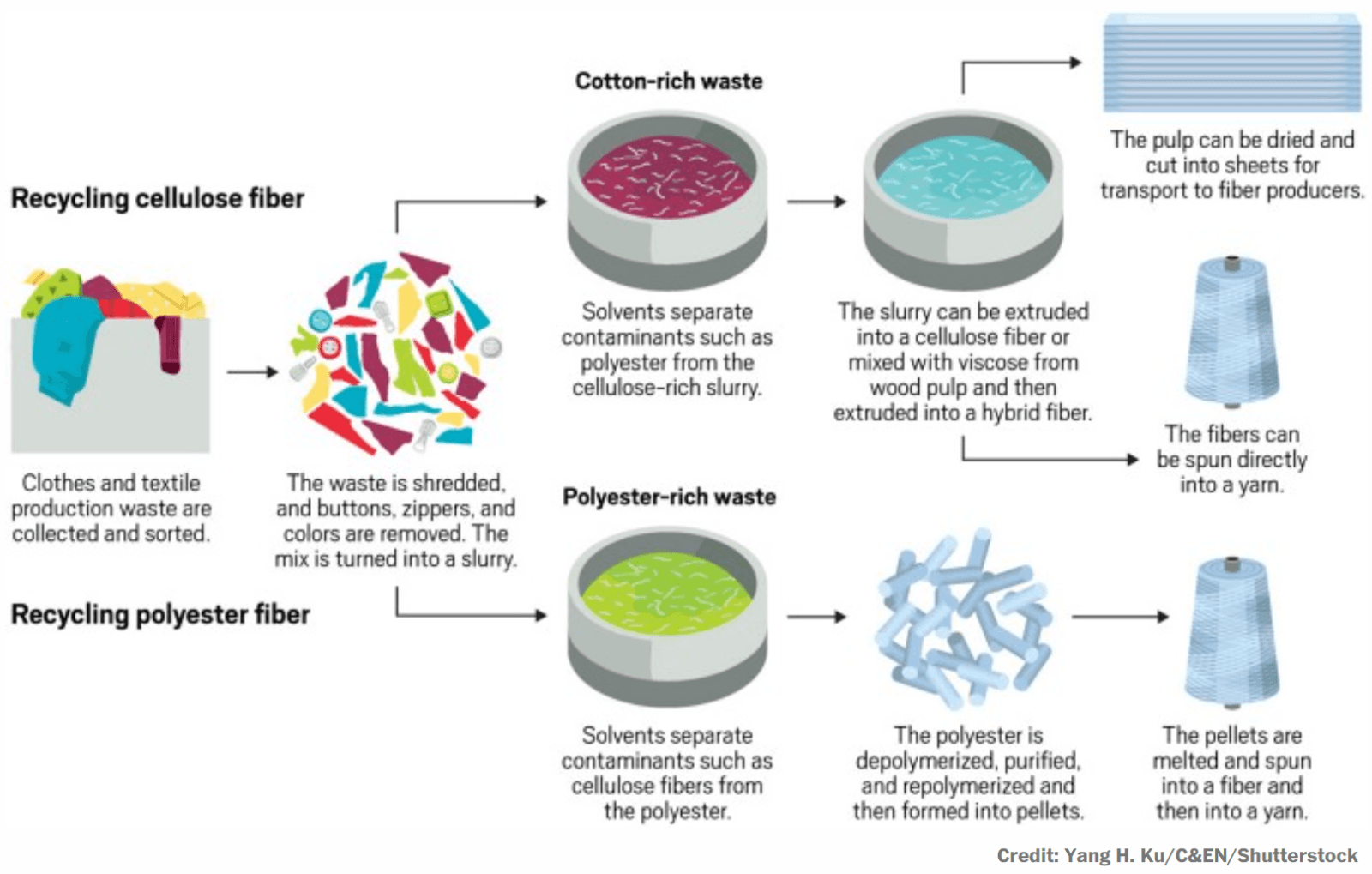
The government launched the environmental-cost method and Ecobalyse on April 3, 2024, as part of France’s environmental-labelling push under the 2021 Climate and Resilience law. The system is built on life-cycle assessment and uses 16 environmental indicators drawn from the European Union’s Product Environmental Footprint approach, with French-specific additions for microfiber pollution and the effects of extra-EU exports and end-of-life treatment. Ecobalyse’s own lifecycle map runs from material and spinning through fabric, ennobling, making, distribution, use and end of life, which is exactly where the industry has to get more honest about what a garment really costs.
ADEME says the textile environmental-labeling system was finalized and in voluntary rollout as of April 2026, with some brands already testing it. The agency said in July 2025 that Loom, the French sustainable-clothing brand, had been using the method since the previous year. That matters because the tool is no longer a theoretical pilot. It is becoming a working benchmark for how brands talk about cotton, synthetics, transport, washing and disposal, and it pushes eco-design claims toward numbers that can be checked rather than mood-board language about circularity.
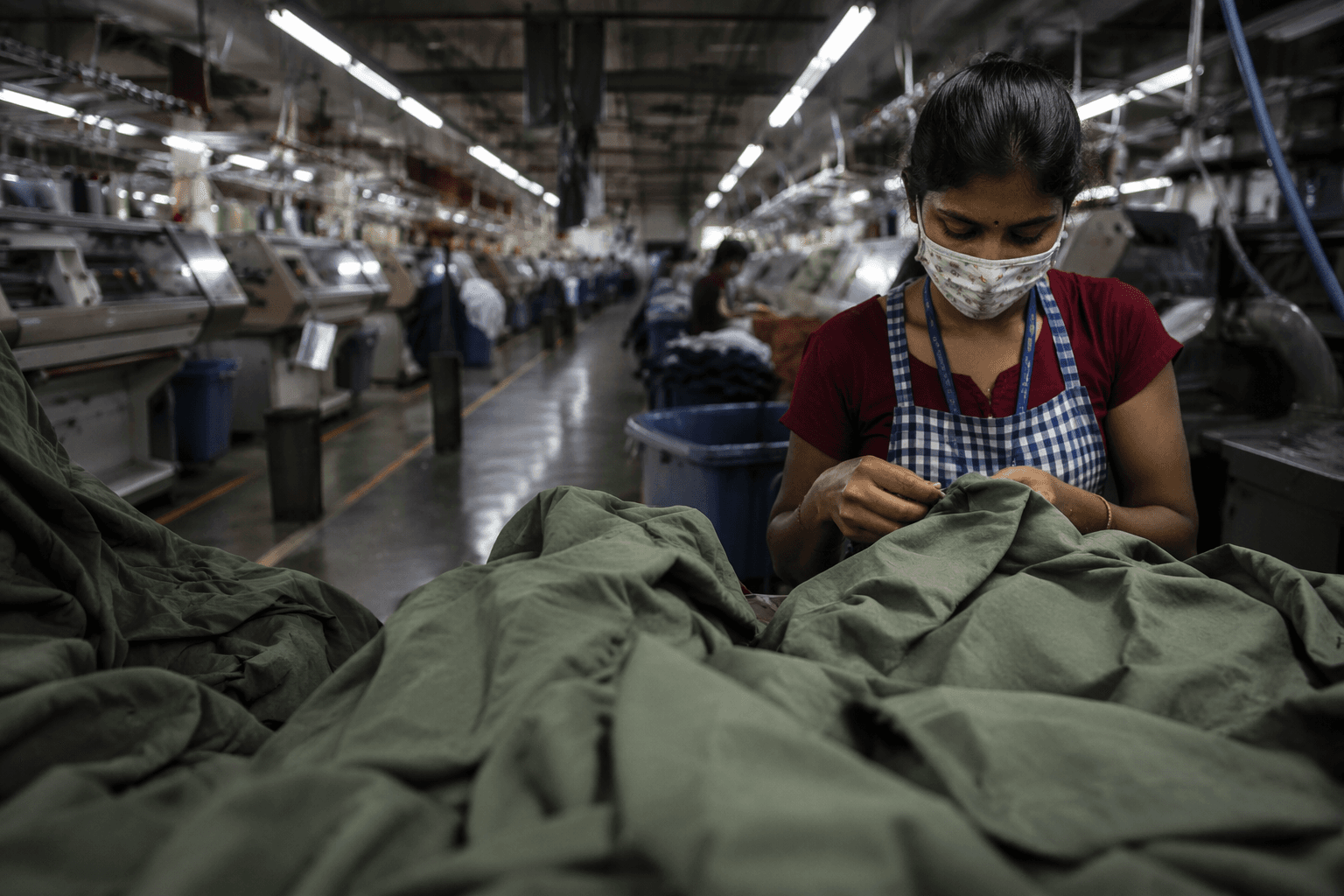
Retailers are moving too. E.Leclerc said in February 2026 that it would deploy textile Eco-Score labels on more than 4,000 product references by the end of the year. Under the current timetable, the display remains voluntary for brands, but from October 2026 third parties such as NGOs, retailers and comparison platforms may be able to publish scores if brands do not provide their own data. That shifts the pressure onto sourcing teams and mills, where missing composition data or vague supplier disclosures will become harder to hide.
The backdrop is brutal. The European Commission says about 5.8 million tonnes of textiles are discarded every year in the EU, roughly 11 kg per person. France’s parliament has also adopted a 2026 bill aimed at reducing the environmental impact of the textile industry and ultra-fast fashion. Ecobalyse is turning into the test case for whether French fashion can move from downstream cleanup rhetoric to upstream accountability, and whether the rest of Europe follows.
This article was produced by Prism’s automated news system from verified source data, official records, and press releases, then run through automated quality and moderation checks before publishing. The system is built and supervised by the people who set the standards it runs under. Read our full AI policy.
Did this article answer your question?