Re&Up Fiber Club aims to scale recycled fibres beyond pilots
Re&Up launched Fiber Club to move recycled cotton, polyester and polycotton blends into long-term offtake deals, with lower MOQs and pooled risk.
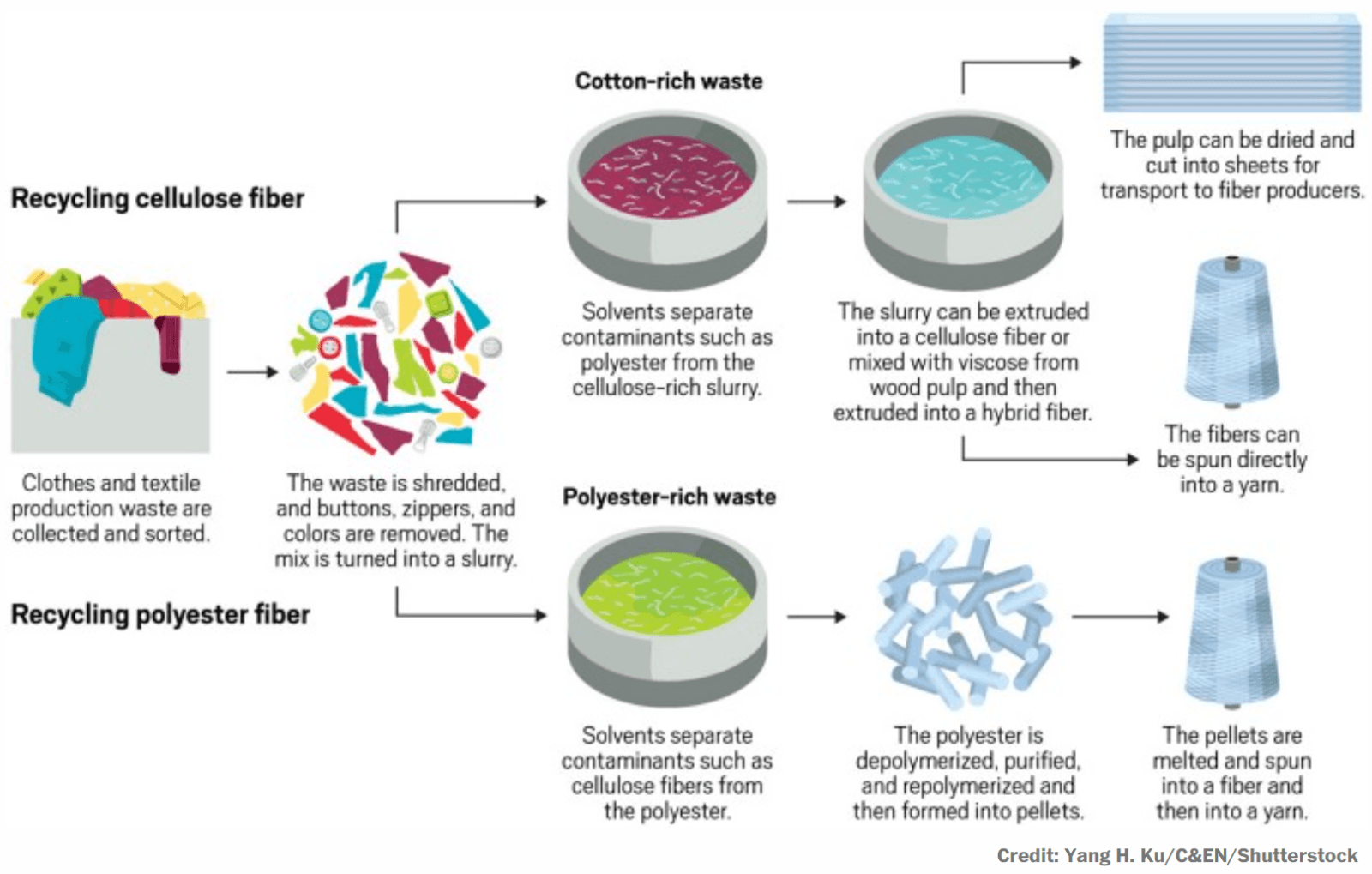
Re&Up has launched Fiber Club to push recycled next-gen fibres out of the pilot stage and into signed purchasing agreements. The club is built around lower minimum order quantities, standardised specifications and shared costs, a procurement structure meant to make textile-to-textile recycling easier for brands to buy at scale.
The setup is deliberately commercial, not just technical. Re&Up says Fiber Club follows four stages: consortium setup and alignment, initial material sampling, pilot collection development and, finally, long-term partnership agreements with more stable purchasing conditions. Andreas Dorner, Re&Up’s general manager, said the real obstacle is “commercial alignment,” and called Fiber Club “plug-and-play infrastructure” for brands that need to stop experimenting and start scaling. In a market where next-gen materials still face high costs, underdeveloped supply chains, longer lead times and technical performance questions, that kind of structure matters more than another recycled-fibre promise.
Fashion for Good’s framework underpins the approach. Its model is designed to give brands early and simplified access to an innovator’s materials, secure supply terms and smoother supply-chain integration by aggregating demand and standardising specifications. Fashion for Good also says the model can de-risk innovation, lower minimum order quantities, reduce cost barriers through pooled volumes and create long-term pricing structures and off-take pathways. That is the part the industry keeps circling back to: not whether the chemistry works in a lab, but whether procurement can live with the volumes, pricing and reliability.
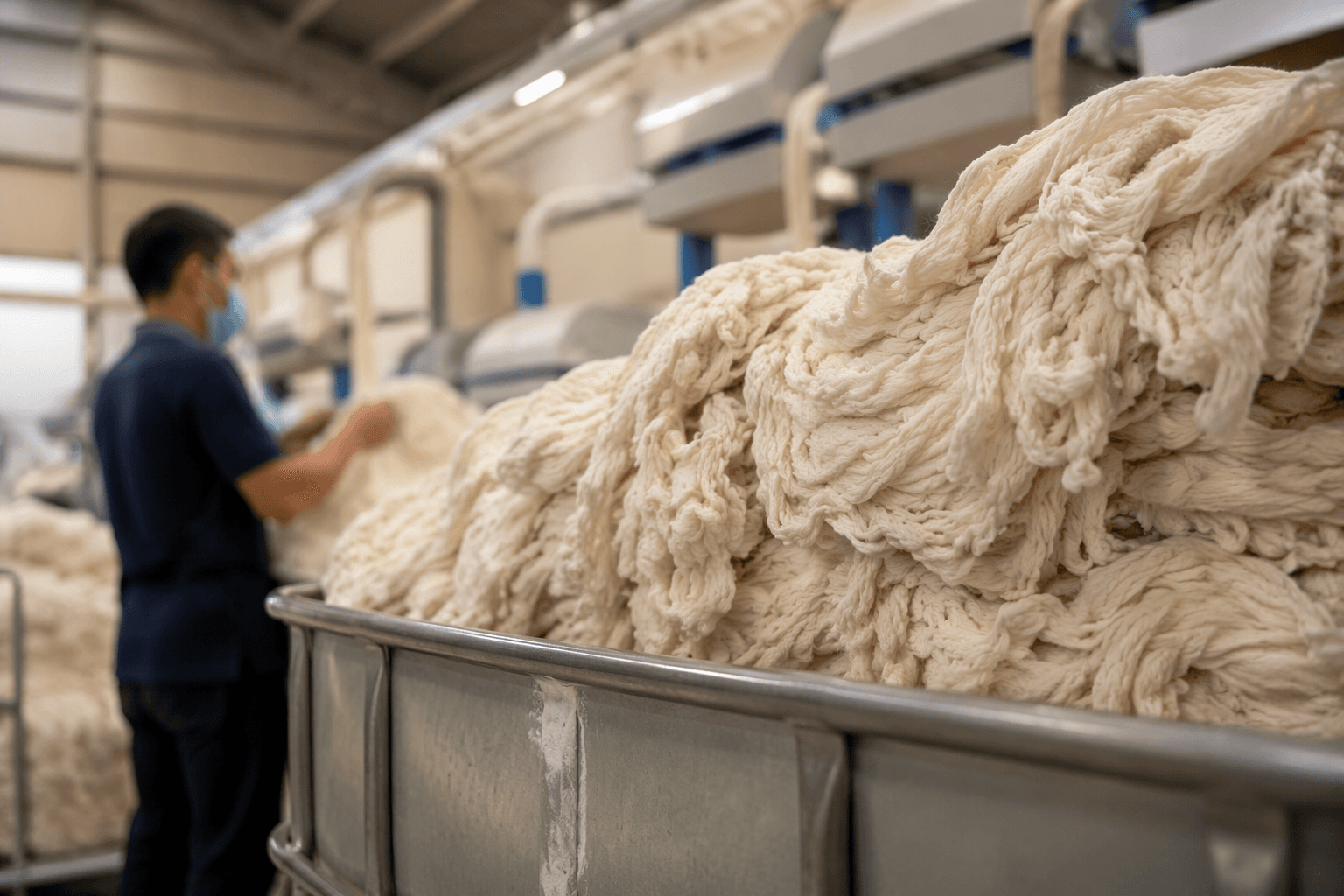
Re&Up says its technology can recycle cotton, polyester and polycotton blends, and the company says its proprietary process can handle the majority of polycotton blends and turn them into ready-to-spin Next-Gen fibers. It showed those technologies at the Textiles Recycling Expo in Brussels, which took place June 24-25, 2026 and centered on textile circularity, logistics, manufacturing and the shift from pilot projects to operational systems. For fashion brands under pressure to translate sustainability targets into actual buy plans, that is the real test: whether the supply is stable enough to become a standing line item.
Circ has already sketched a precedent. Its Fiber Club, launched in 2024, included Bestseller, Eileen Fisher, Everlane and Zalando on the brand side, with Arvind, Birla Cellulose and Foshan Chicley among the suppliers. Circ and Fashion for Good described that version as a pre-competitive route from sampling to pilot collections and then long-term offtake agreements. Re&Up is making the same wager with a different material portfolio, and the same question hangs over both models: can the industry turn recycled fibre from a collaboration into a contract?
This article was produced by Prism’s automated news system from verified source data, official records, and press releases, then run through automated quality and moderation checks before publishing. The system is built and supervised by the people who set the standards it runs under. Read our full AI policy.
Did this article answer your question?