Functional Fabric Fair 2026 Signals Breakout Infrastructure for Intelligent Textiles
Fabrics that sense and adapt to your body are no longer a lab experiment. The April 2026 Functional Fabric Fair is where smart textiles become a sourcing standard.
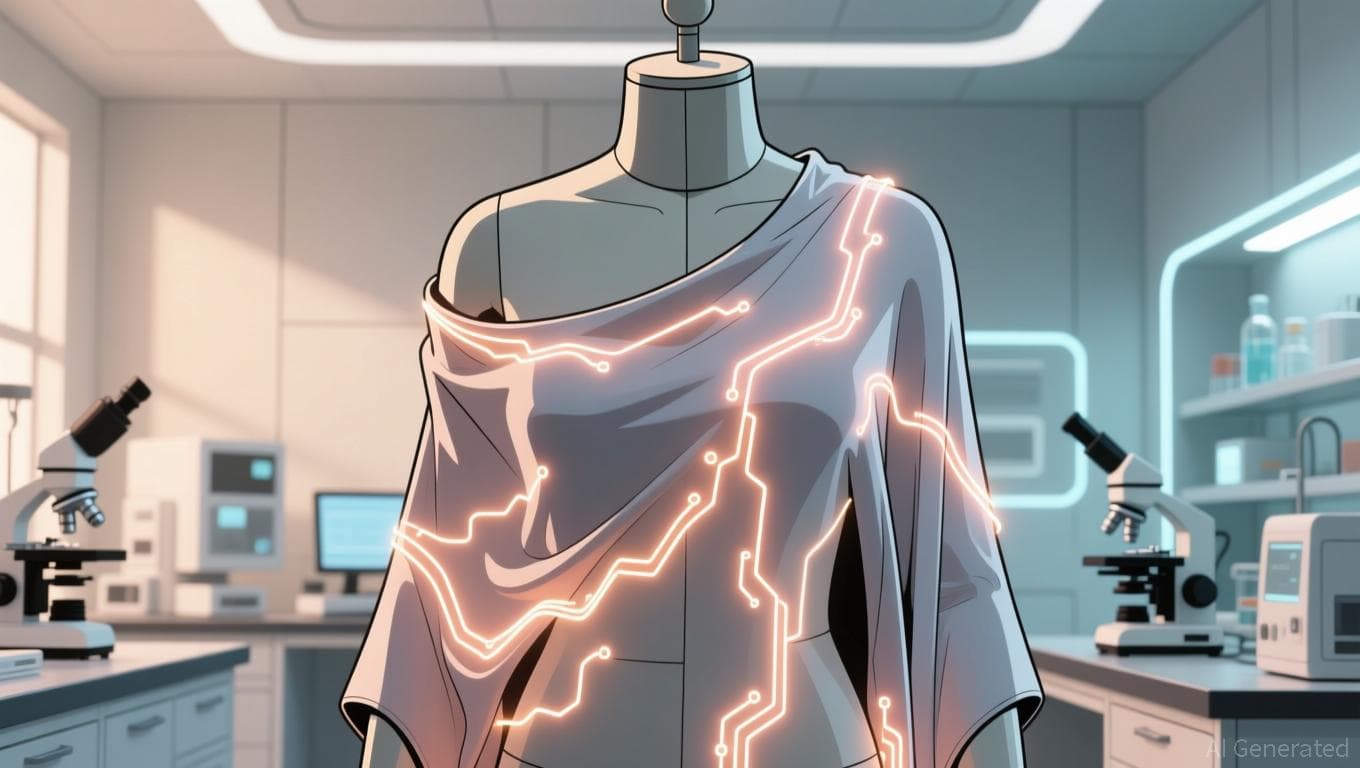
The prototype era for intelligent textiles is ending, and the Functional Fabric Fair Spring, scheduled for April 2026, is where the industry will prove it. This is not a trend showcase or a concept runway. It is a trade-exclusive marketplace for CEOs and product developers, built around hand-selected, high-performance fabrics being evaluated against production realities, not just aesthetic possibility. The technology arriving at this fair senses, adapts, and responds to the body wearing it. That is what premium sportswear and outdoor apparel buyers are now actively sourcing.
What makes this spring's fair a genuine inflection point is the simultaneous maturation of three layers that analysts describe as a foundational infrastructure stack: advanced materials science, flexible and low-power embedded compute and energy systems, and integration-ready manufacturing. Previous seasons offered pieces of this. April 2026 is where those pieces align as a B2B sourcing standard. Related events like Performance Days are building out the same ecosystem from adjacent angles.
The commercial constraints are real and worth naming plainly. Cost parity with commodity fabrics remains unresolved. Supply chain readiness for electronic/textile hybrids, the logistics of embedding circuitry into woven goods at scale, is still being stress-tested. Institutionalized trade events like the Functional Fabric Fair exist in part to create the predictable scaling pathways that reduce those risks to manageable ones. Early commercial traction has concentrated in premium sportswear and outdoor categories, where the price architecture can carry the cost premium that intelligent materials still require.
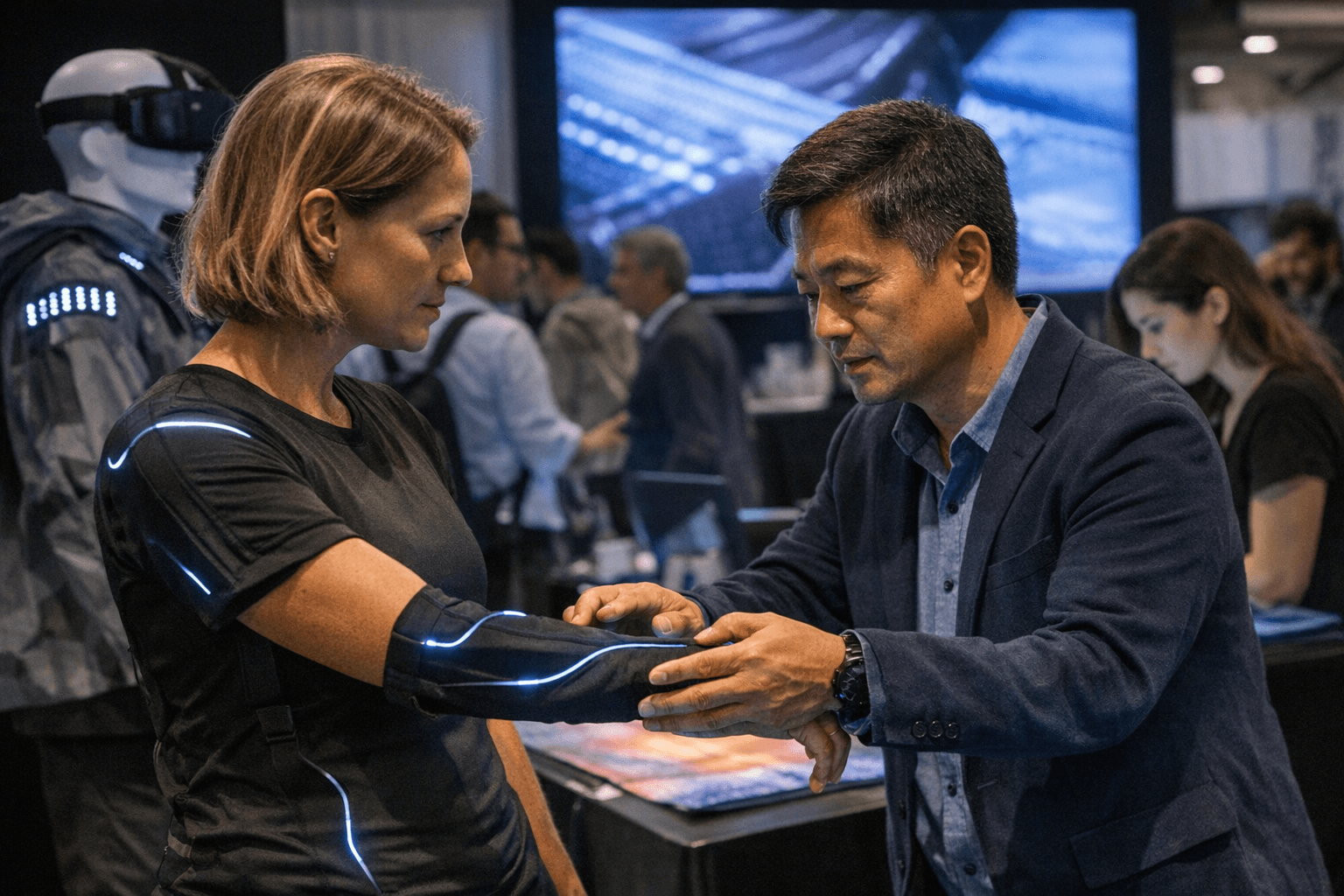
The sustainability argument for these garments is more than marketing language. A jacket engineered to sense temperature, regulate airflow, and hold up over an extended service lifecycle is inherently a more sustainable object than one designed for seasonal obsolescence. That promise depends on institutional adoption being paired with circular design and repair strategies, but the infrastructure being assembled at events like this spring's fair makes the long-arc sustainability case plausible in a way it simply was not two years ago.
The clearest signal of how developed this infrastructure actually is will come in the form of partnership announcements at the April 2026 fair itself. What to watch for: collaborations between fabric mills and electronics companies that go beyond simple component supply, specifically co-developed materials with embedded low-power chips and integrated power systems. Those announcements would signal a vertically integrated stack and the commercial rails for a fundamentally new paradigm in how apparel is made, sold, and worn.
Know something we missed? Have a correction or additional information?
Submit a Tip