Bipartisan PFAS Phase-Out Bill Targets Forever Chemicals in Fashion Supply Chains
Sen. Dick Durbin and Rep. Betty McCollum's PFAS bill gives fashion's supply chain a 10-year window to reformulate every water-repellent finish.

The durable water-repellent finish bonded to your rain shell, the stain-resist treatment woven into your weekend chinos, the oil-repellent chemistry embedded in high-performance sportswear: all of it sits squarely in the crosshairs of legislation reintroduced in Congress on March 19, 2026. The Forever Chemical Regulation and Accountability Act, identified in the Senate as S.4153 and in the House as H.R.8016, was brought back to Capitol Hill by Sen. Dick Durbin and Rep. Betty McCollum as a bipartisan measure carrying a 10-year deadline to phase out non-essential uses of per- and polyfluoroalkyl substances across the domestic supply chain.
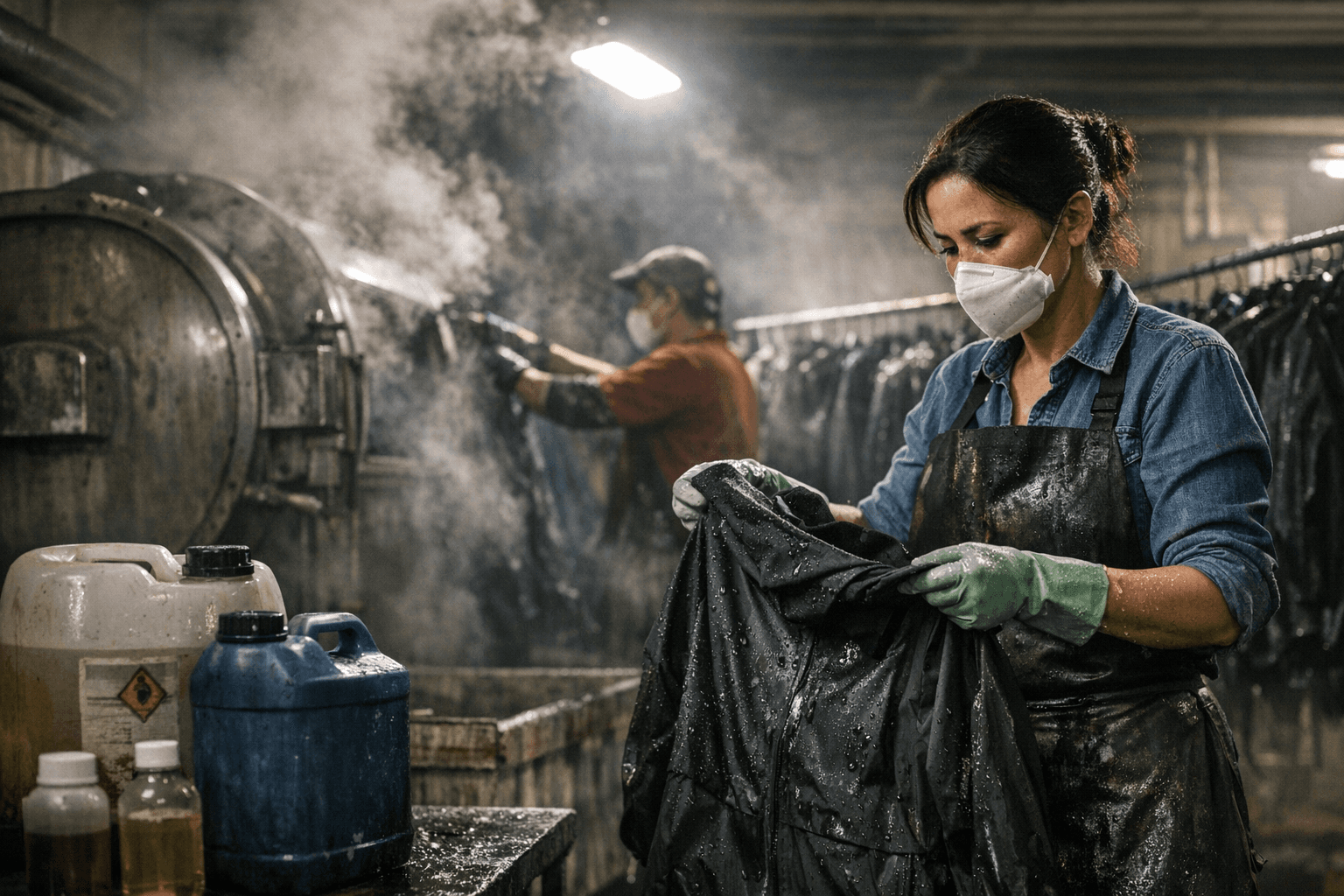
PFAS, the synthetic compounds engineered to resist heat, water, oil, and stains with near-permanent durability, have been embedded in textile manufacturing for decades. They are the chemistry behind fluorine-based durable water-repellent treatments, the stain-guard coatings applied to luxury outerwear and fast-fashion alike, and the oil-resistant finishes that define technical activewear. Their persistence in the environment, accumulating in waterways, soil, and human tissue without breaking down, is what earned them the "forever chemical" label. "With the Forever Chemical Regulation and Accountability Act, we can work toward phasing out the unnecessary uses of PFAS, protecting consumers and our environment from the hazards of these chemicals," said Durbin.
Under the proposed legislation, manufacturers would be required to submit formal phase-out plans and ongoing compliance reports to federal regulators. The bill also strengthens accountability for PFAS releases and remediation. Certain critical-use carve-outs are expected, with protective gear among the categories flagged as potentially qualifying for exemption, though that provision offers limited relief to the broader sportswear and fashion sectors.
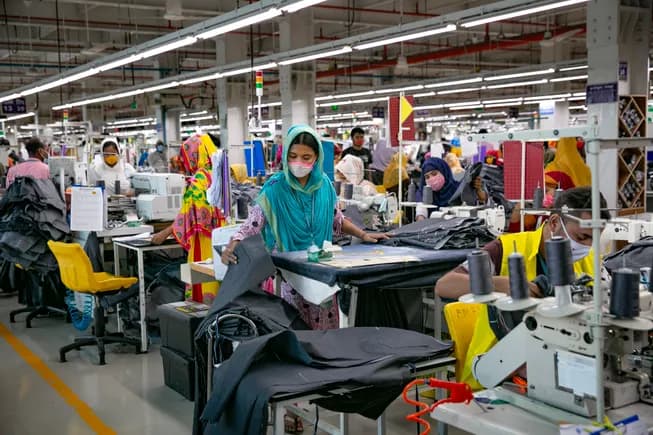
For apparel brands and textile suppliers, the compliance calculus runs considerably deeper than product reformulation. Legal and policy analysts have identified a cascade of operational pressures: product design overhauls, market access considerations as individual states and trading partners tighten their own PFAS restrictions, and the compounding costs of testing and documentation across complex global supply chains. Denmark is set to ban PFAS-containing clothing and footwear by July 2026, while European Union textile regulations require full PFAS elimination by 2030. The U.S. federal bill, if passed, would align domestic policy with a tightening global standard that export-dependent brands are already navigating.
Brands in the outdoor and performance segments face the steepest adjustment. Patagonia, The North Face, and Adidas have already begun transitioning away from PFAS-based finishes ahead of international deadlines, but voluntary industry action has moved unevenly across the market. The legislation would codify a federal mandate where self-regulation has so far fallen short.
S.4153 and H.R.8016 have not yet been scheduled for a vote, and their path will be shaped by pressure from chemical, textile, and retail stakeholders tracking the bill closely. What is already certain: a 10-year reformulation window is shorter than many development cycles in technical textile engineering, and the brands still banking on PFAS chemistry are running out of time from every direction at once.
This article was produced by Prism’s automated news system from verified source data, official records, and press releases, then run through automated quality and moderation checks before publishing. The system is built and supervised by the people who set the standards it runs under. Read our full AI policy.
Did this article answer your question?