German Institute Turns Beech Wood Into Softer, Breathable Apparel Yarn
Beech wood is being spun into apparel yarn at Denkendorf, with a softer hand and lower-impact chemistry pitched against viscose and lyocell.
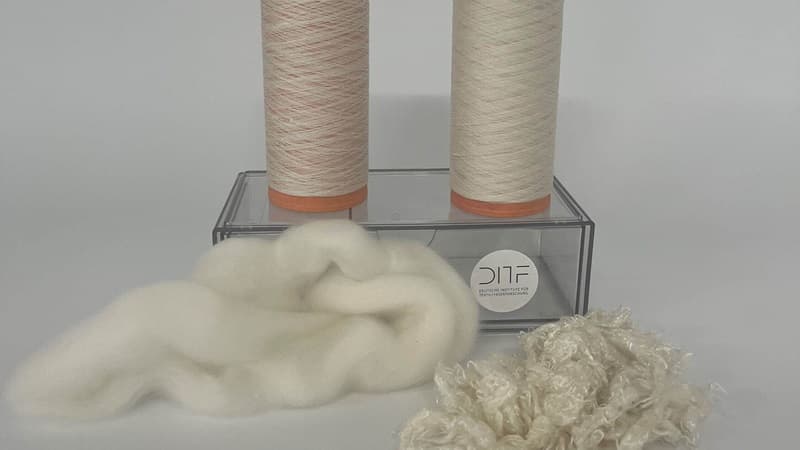
The new question in sustainable fashion is not whether cellulose can replace fossil-fuel fibers. It is whether German Institutes of Textile and Fiber Research, better known as DITF, has found a version that can survive the brutal logic of scale. In Denkendorf, Germany, the institute said it has turned regional beech wood into cellulose staple-fiber yarns through its patented HighPerCell® process, a closed-loop ionic-liquid system now being pushed through the InnoCell project toward market-ready production.
What makes the work feel more than laboratory theatre is the hand-feel DITF is chasing. The institute says staple-fiber yarns spun from its continuous cellulose filaments are softer, fluffier and more breathable than the original continuous fibers, which is exactly the kind of tactile shift that matters in apparel, especially next-to-skin clothing. DITF also says the fibers are less prone to fibrillation and nodule formation, two defects that can blunt the polished surface and wear performance of regenerated-cellulose textiles. In other words, this is not just about greener inputs. It is about whether the fabric still behaves like clothing after the chemistry gets cleaner.
DITF places the process in a crowded lane. Viscose is still the reference point for many cellulose fabrics, but its industrial footprint has long made closed-loop recovery a central question. Lyocell improved the game with a solvent-recovery model, yet DITF says HighPerCell is simpler and safer to control than the Lyocell process, while using ionic liquids as solvents and nearly complete solvent recovery in a recycling system with a low carbon footprint. That combination, if it holds at scale, would give mills a rare proposition: a cellulose route that aims to be cleaner than viscose, more controllable than some conventional regenerated-fiber systems, and potentially easier to run in production.
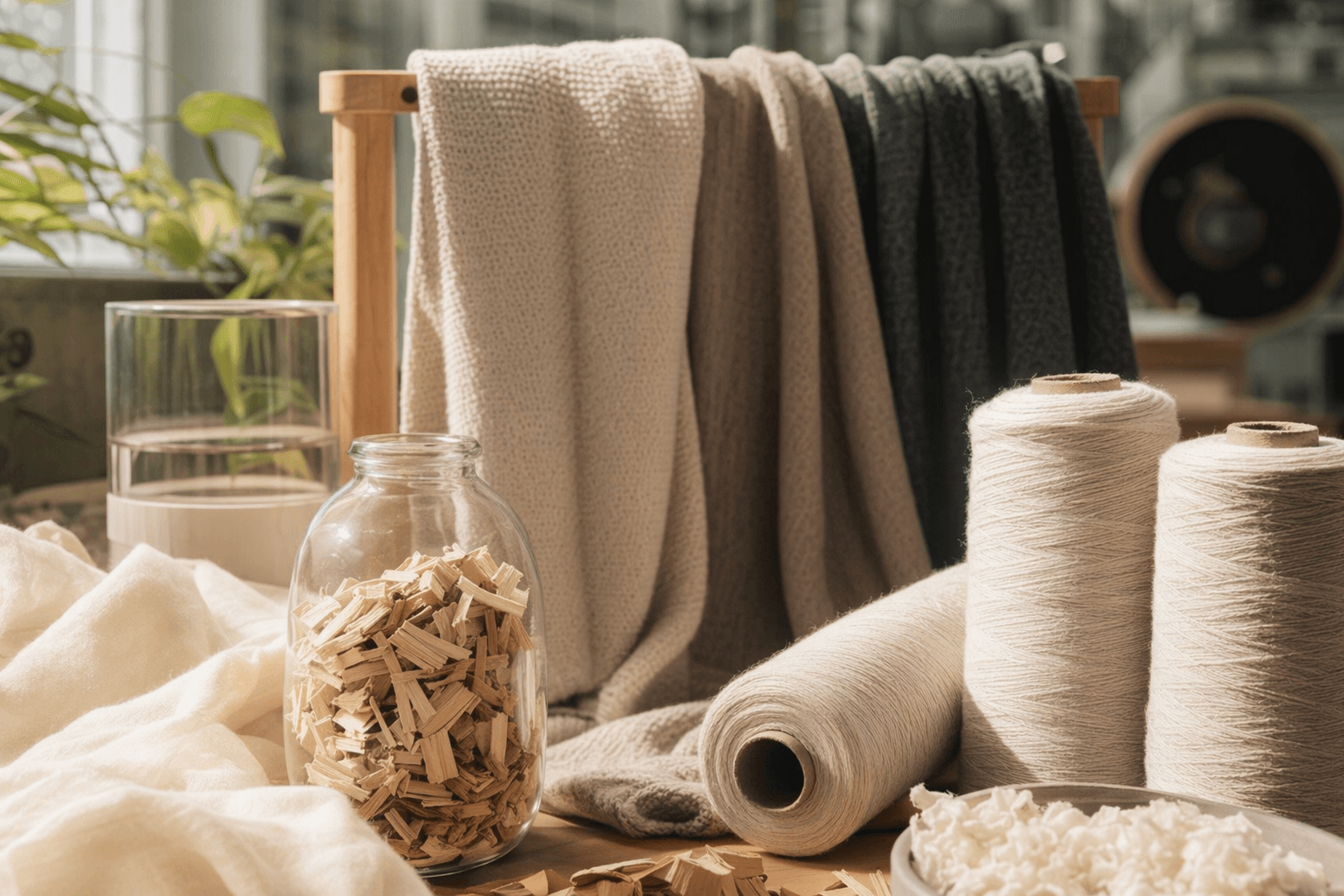
The supply chain details matter just as much. DITF said the current laboratory samples used high-purity chemical pulp, but the real strategic target is regional beech wood, with hemp and flax also under study as raw materials. That flexibility is important because recycled fibers, for all their appeal, still depend on sorting quality, feedstock contamination and fiber loss. Beech wood gives DITF a different kind of promise, one rooted in regional sourcing and industrial consistency rather than post-consumer recovery. Gebr. Otto Baumwollfeinzwirnerei GmbH & Co. KG, known as Otto Garne, is handling spinning and dyeing to build depth of color and colorfastness into the yarn, a reminder that sustainability only wins if the cloth can still be dyed, finished and sold.
DITF, Europe’s largest textile research center, says it has more than 250 scientific and technical staff and has been active since 1921. Its broader sustainability push already includes work on renewable raw materials, microplastic reduction and a 2024 patent sale to Technikum Laubholz tied to developing cellulose and lignin fibers from beech wood for technical applications. That history gives InnoCell weight. The real test now is not whether beech wood can be turned into yarn, but whether it can become a dependable industrial input at a cost and scale that make viscose look less inevitable.
This article was produced by Prism’s automated news system from verified source data, official records, and press releases, then run through automated quality and moderation checks before publishing. The system is built and supervised by the people who set the standards it runs under. Read our full AI policy.
Did this article answer your question?