Good On You spotlights 19 Canadian brands for sustainable shopping
Good On You’s Canadian roundup is less a shopping list than a filter, ranking 19 brands by labour, emissions, chemicals and animal materials.

The most useful thing about Good On You’s Canadian roundup is that it treats sustainability as a stress test, not a mood board. The 19 brands are judged across people, planet and animals, with 100 key issues tracking everything from child labour and living wages to wastewater, carbon emissions and animal-derived materials.
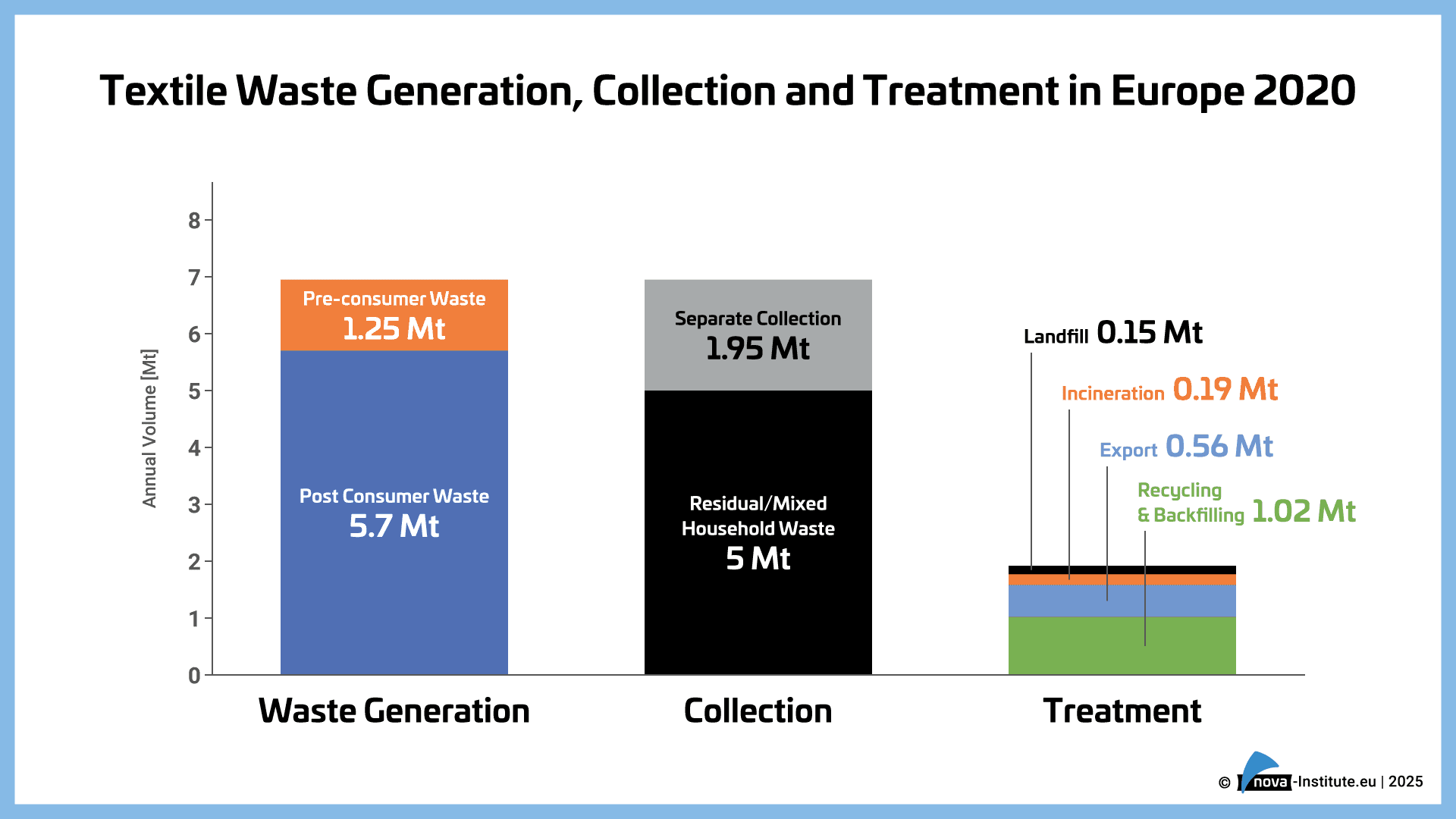
That rigor matters in Canada, where textiles are the fifth-largest category of plastic waste sent to landfills, roughly 98 percent of plastic textile waste still ends up in landfill, and laundering synthetic textiles releases about 878 tonnes of microfibres into fresh and marine waters each year across Canada and the United States. Ottawa, under Environment Minister Steven Guilbeault, opened a textile and apparel waste consultation on July 4, 2024, and the sector employed about 123,000 workers in 2023, most of them in Ontario and Quebec.
1. Mini Mioche
This childrenswear label makes its case with organic fabrics for babies and toddlers, where softness, washability and lower-impact fibers matter more than novelty prints. In a market full of synthetic baby basics, that kind of material discipline feels like the real luxury.
2. Kotn
Kotn pairs its Good On You rating with a B Corp badge and a visible community link in the Nile Delta, where it works with local NGOs on education. That gives the brand a stronger story than the usual recycled-cotton shorthand, because it connects clothing to livelihoods.
3. tentree
tentree stands out because its sustainability is operational, not decorative: lower-impact materials, renewable energy, clothing recycling and a supply chain that tries to cut chemicals, water use and wastewater. It is the sort of outdoor-leaning basic that understands the climate case has to live in the factory as much as in the forest.
4. Good for Sunday
Good for Sunday is built around ethical garments that are “timeless and effortless,” which is exactly the kind of restraint that keeps a wardrobe from feeling overdesigned and disposable. The line spans menswear and womenswear, from shirts and sweaters to socks, so the pitch is less trend cycle, more steady rotation.
5. MARY YOUNG
MARY YOUNG earns credibility through technique, not sentiment, with recycled materials, low-waste cutting and local manufacturing doing the heavy lifting. In intimates, where scraps and fit failures can add up fast, that matters as much as the final lace or stretch.
6. Mariclaro
Mariclaro’s bags and accessories are made from repurposed materials, which is the sort of circular thinking the accessories market still too often treats as a side note. Here, the material story is the silhouette story.
7. BEDI
BEDI pushes the outerwear conversation forward with salvaged seatbelts and recycled nylon, then keeps the production small and Canadian. That combination of hard-wearing materials and tight control is exactly what makes a coat or bag feel credible instead of merely conscientious.
8. Encircled
Encircled has built a loyal following around womenswear that is stylish without being fussy and comfortable without collapsing into loungewear shorthand. Its B Corp status gives that polish a harder edge, especially in a category where versatility is often just code for more of the same.
9. MiiK
MiiK brings luxury tailoring into the sustainability conversation, which broadens the market beyond tees and technical knits. For shoppers who want structure, drape and a sharper shoulder line, it is one of the more polished Canadian answers.
10. Message Factory
Message Factory reads like a practical response to textile waste, with organic cotton, offcut reuse and local manufacturing all working in the same direction. The planet gains are easy to see: lower-impact materials, less waste and fewer of the chemical and wastewater headaches that plague bigger, blurrier labels.
11. Maylyn & Co.
Maylyn & Co. works in loungewear and sleepwear, where the clothes sit closest to skin and any sustainability claim has to survive real wear, not just a campaign image. Its PETA Cruelty Free certification and made-to-last positioning make the brand feel thoughtful rather than merely soft-focus.
12. TAMGA Designs
TAMGA Designs proves that colorful fashion and serious sustainability can coexist without one flattening the other. The plus-size range is part of the point, because a responsible wardrobe is not much of an advance if it still excludes too many bodies.
13. Frankie Collective
Frankie Collective brings recycled materials and local manufacturing into a streetwear language that can otherwise be heavy on attitude and light on proof. Its environmental gains come from the kind of decisions you do not see on a mood board, namely lower-impact fabrics and shorter supply-chain miles.
14. FREED
FREED is one of the clearest reads in the roundup because its entire product range is vegan, which makes the animals pillar easy to understand at a glance. In a category where many brands hedge, that clarity is a strong form of credibility.
15. Redwood Classics Apparel
Redwood Classics Apparel makes quality casual clothing with recycled materials, offcut reuse and local manufacturing, a combination that gives basics more structure than the usual throwaway sweatshirt. It is a reminder that “casual” does not have to mean careless.
16. Olmsted Outerwear
Olmsted Outerwear uses made-to-order production, recycled packaging and lower-impact materials to address one of fashion’s ugliest bottlenecks, overproduction. Outerwear is especially unforgiving here, so the restraint feels disciplined rather than fashionable.
17. Prim Stargazer
Prim Stargazer is one of the most interesting names in the mix because the environmental and labour story is strong, but the animal rating is weaker thanks to recycled leather, wool, exotic animal hair and fur. That tension is useful for readers: a brand can be excellent on one pillar and still demand scrutiny on another.
18. KENT
KENT keeps the conversation grounded in underwear, where the best sustainability arguments should feel almost invisible against the body. Its 100 percent GOTS-certified organic cotton and plastic-free approach give the essentials category a cleaner baseline than most of the market.
19. LAUDAE
LAUDAE closes the map with modern ceremonial wear made in Vancouver, Canada, a reminder that sustainable fashion is now showing up in occasionwear too. Good On You says the brand does not appear to use animal-derived materials, but stops short of calling it vegan, which is exactly the kind of nuance that separates real progress from a glossy slogan.
This article was produced by Prism’s automated news system from verified source data, official records, and press releases, then run through automated quality and moderation checks before publishing. The system is built and supervised by the people who set the standards it runs under. Read our full AI policy.
Did this article answer your question?