Good On You updates guide to ethical dresses by region and rating
Good On You’s new dress guide turns ethical shopping into a trust test, pairing brand ratings with organic cotton, Fairtrade and regional sourcing.
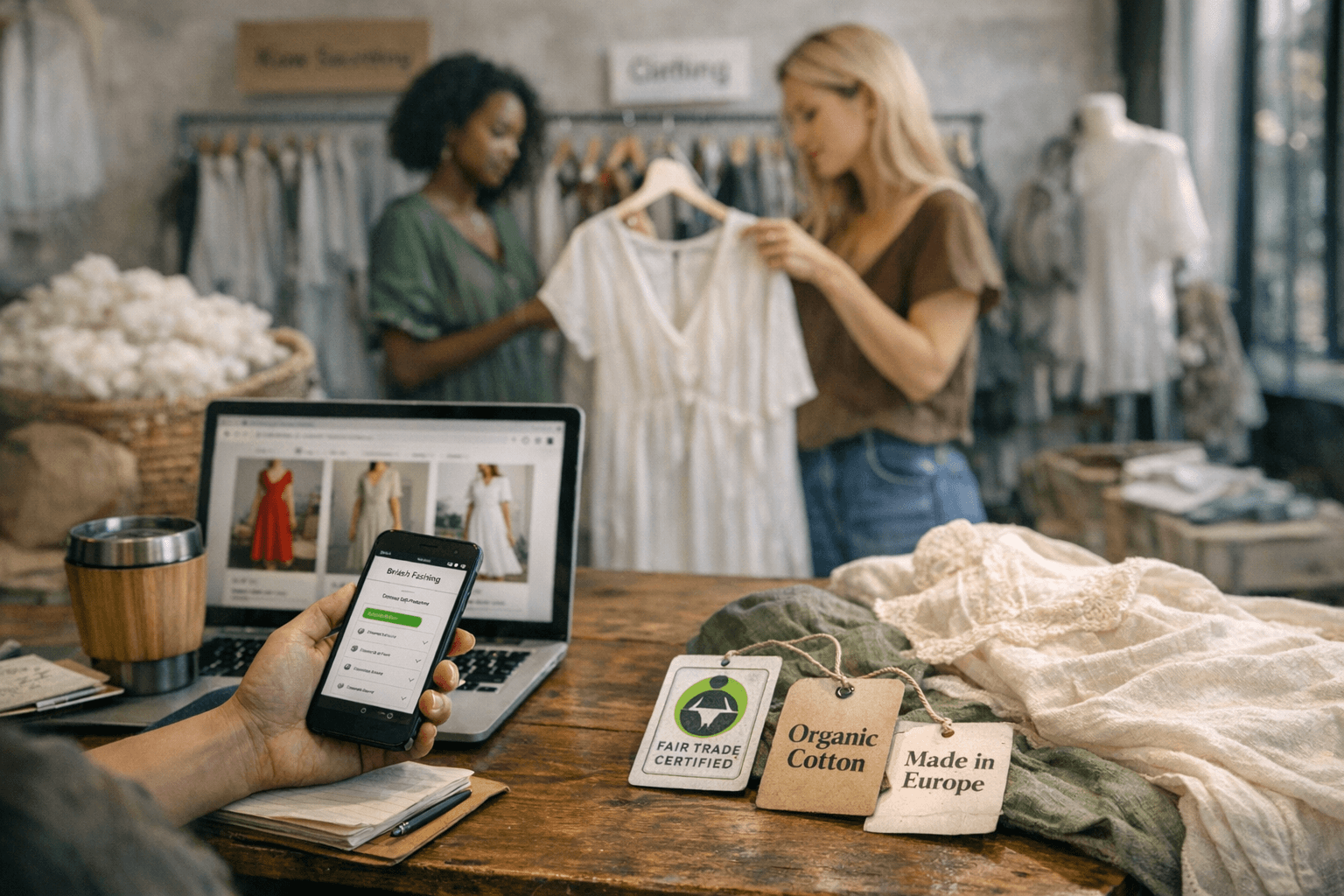
The trust problem in sustainable dress shopping
The smartest thing about Good On You’s updated dresses guide is that it starts where so many green claims fall apart: trust. Instead of asking you to believe a brand’s moodboard, it points you toward ratings built on people, planet and animal welfare, then layers in material choices and regional sourcing so you can judge a dress on more than its marketing gloss.
That matters because the stakes are not abstract. UNEP says the textile industry produces 2% to 8% of global greenhouse gas emissions and uses 86 million Olympic-sized swimming pools’ worth of water each year. In March 2025, António Guterres warned that fast fashion is driving a waste crisis, with clothing burned or landfilled at the rate of one garbage truck every second. If you are trying to buy better this season, the question is no longer whether sustainability sounds nice. It is how to separate substance from soft-focus branding.
How Good On You structures the search
Good On You’s broader directory rates thousands of fashion brands on their impact on people, planet and animals, and the dresses category turns that framework into something immediately usable. The listings span Australia, Belgium, India, Germany, Japan, the United Kingdom, the United States, Romania, Cambodia and the Netherlands, which makes the guide feel less like a niche list and more like a cross-section of the current ethical dress market.
That spread matters because regional sourcing changes the practical shape of a purchase. A dress made closer to home can shorten the logistics chain; a brand with a strong local production story may be easier to evaluate; and a region-by-region directory helps you compare what responsible dressmaking looks like across different manufacturing hubs. The brands named on the page, including People Tree, Outland Denim, MATE the Label, MUD Jeans and The Social Studio, show how wide the category has become, from denim-inflected silhouettes to everyday jersey and occasion-ready pieces.
What to look for in the fabric story
Material choice is where many sustainable dress claims either sharpen or dissolve. The Soil Association says certified organic cotton avoids highly toxic substances and is better for the environment and for people, which gives cotton dresses a real credibility boost when the certification is genuine rather than decorative. OEKO-TEX takes that logic further with its ORGANIC COTTON certification, which verifies products from farm to product and tests for GMO use and harmful substances.
For shoppers, that means the fabric label is not just texture talk. Organic cotton can signal a cleaner agricultural system and a more disciplined supply chain, especially when the brand is explicit about certification. It also gives dresses a tactile appeal that fast fashion rarely gets right: a cloth that feels less slick, a surface with a little more breath and softness, a drape that reads polished rather than plastic.
Fairtrade adds another layer of accountability. Fairtrade America frames certified cotton textiles as a response to unsafe and unfair labor conditions, as well as the environmental harms baked into fast fashion. It also says two-thirds of shoppers who know Fairtrade are willing to pay more for certified products, even under cost-of-living pressure, and that visibility of Fairtrade products in the United States has risen since 2021 across nearly all major categories. That is a useful signal if you want to know whether certification still carries weight in the real market. It does.
The dress scenarios that are worth solving this season
If you are shopping for one dress that has to do a lot, look first at the brands Good On You places near the top of your own short list. People Tree and The Social Studio make the kind of ethically minded dresses that suit everyday rotation, where the goal is not spectacle but reliability. Outland Denim and MUD Jeans bring a tougher, more structured sensibility to the category, which can be useful if you want a dress that feels less fragile in wear and more anchored in construction.
If you want a softer approach, MATE the Label and Goodnap sit comfortably in the part of the market that leans on ease and low-key polish. That is where sustainable dressing often works best in real life: a piece that looks intentional with flats during the day and still holds its shape after dark. The point is not to buy into a moral aesthetic. It is to choose a dress that can survive repeat wear without looking tired after two outings.
If your priority is provenance, the region filter becomes the smartest part of the guide. A dress listed under Germany, Japan or the Netherlands may appeal if you are trying to understand manufacturing discipline and supply-chain transparency. Listings from Cambodia, Romania or India can matter just as much, because the country tag becomes an invitation to ask how labor, materials and production oversight are being handled rather than assuming geography alone tells the full story.
Why ratings beat vague branding language
The real value of Good On You’s update is that it helps you move past the old sustainable-fashion clichés. A brand can use organic cotton and still be weak on labor practices. It can talk about responsible production and still skip the numbers that would prove it. A third-party rating is useful because it makes you compare the whole picture, not just the nicest part of it.
That is the discipline readers need right now. A dress that scores well on people, planet and animals, and that also uses organic cotton or Fairtrade-certified material, gives you a stronger basis for trust than any isolated claim ever could. The guide does not pretend one certification solves everything. It shows how to stack evidence: rating first, material second, regional sourcing third.
The larger shift behind the dress edit
What is changing in fashion is not just which labels are fashionable to trust. It is the way shoppers are beginning to ask for proof that matches the promise. The scale of the textile sector’s emissions, the water it consumes, and the sheer volume of clothing headed for disposal have pushed ethical shopping out of the realm of virtue signaling and into practical decision-making.
Good On You’s updated dresses guide reflects that shift with rare clarity. It treats sustainable dressing as an informed act, not a mood. In a market crowded with good intentions and vague language, that level of specificity is what makes a dress worth wearing, and worth believing in.
This article was produced by Prism’s automated news system from verified source data, official records, and press releases, then run through automated quality and moderation checks before publishing. The system is built and supervised by the people who set the standards it runs under. Read our full AI policy.
Did this article answer your question?


