Reuse First: Fashion’s Recycling Fix Is Still Years Away
Recycling is still years from scale, while reuse is already moving clothes through the system. The fashion fix the industry keeps overlooking is the one that works now.

The scale problem
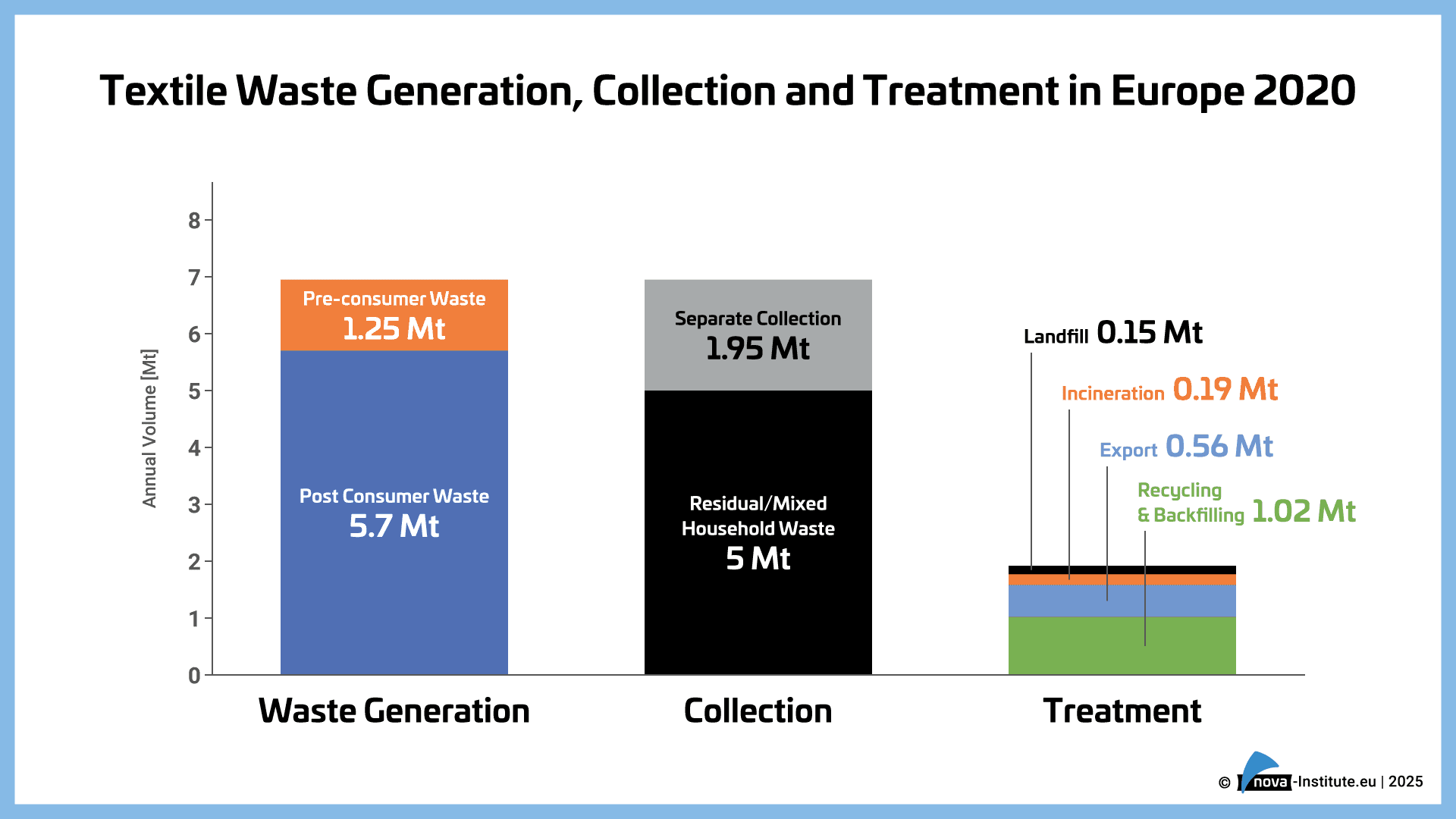
Less than 1% of the material used to make clothing is recycled back into new clothing, yet more than USD 100 billion in material value disappears every year. That is the uncomfortable center of circular fashion: the fix everyone likes to champion is still tiny, while the system that already moves garments at scale, reuse, keeps getting treated like a warm-up act.
The fashion trade loves the language of breakthrough. But the numbers keep pointing in a different direction. The Ellen MacArthur Foundation describes the system as overwhelmingly linear, and in its 2024 paper it says extended producer responsibility is a necessary part of the solution. The problem is not a lack of ambition. It is a mismatch between where the headlines go and where the infrastructure already exists.
Reuse is the machinery the industry already has
WWD put the argument plainly: the industry is over-fixated on closed-loop recycling and underestimating the reuse economy. Brian London, who leads the Secondary Materials and Recycled Textiles Association, makes the case with unusual clarity. Reuse should come first, he says, because closed-loop recycling still does not exist at scale. That is the real editorial correction here. Recycling belongs in the future-facing toolkit, but it cannot be allowed to erase the system that is already moving garments from one wearer to another.
SMART itself is hardly a newcomer to this conversation. Founded in 1932, it describes itself as an international trade association for the wiping materials, used clothing and fiber industries. That history matters. Reuse is not a trend piece, and it is not a moral accessory to a cleaner supply chain. It is an operating system with decades of logistics behind it, from collection and grading to sorting, resale and export.
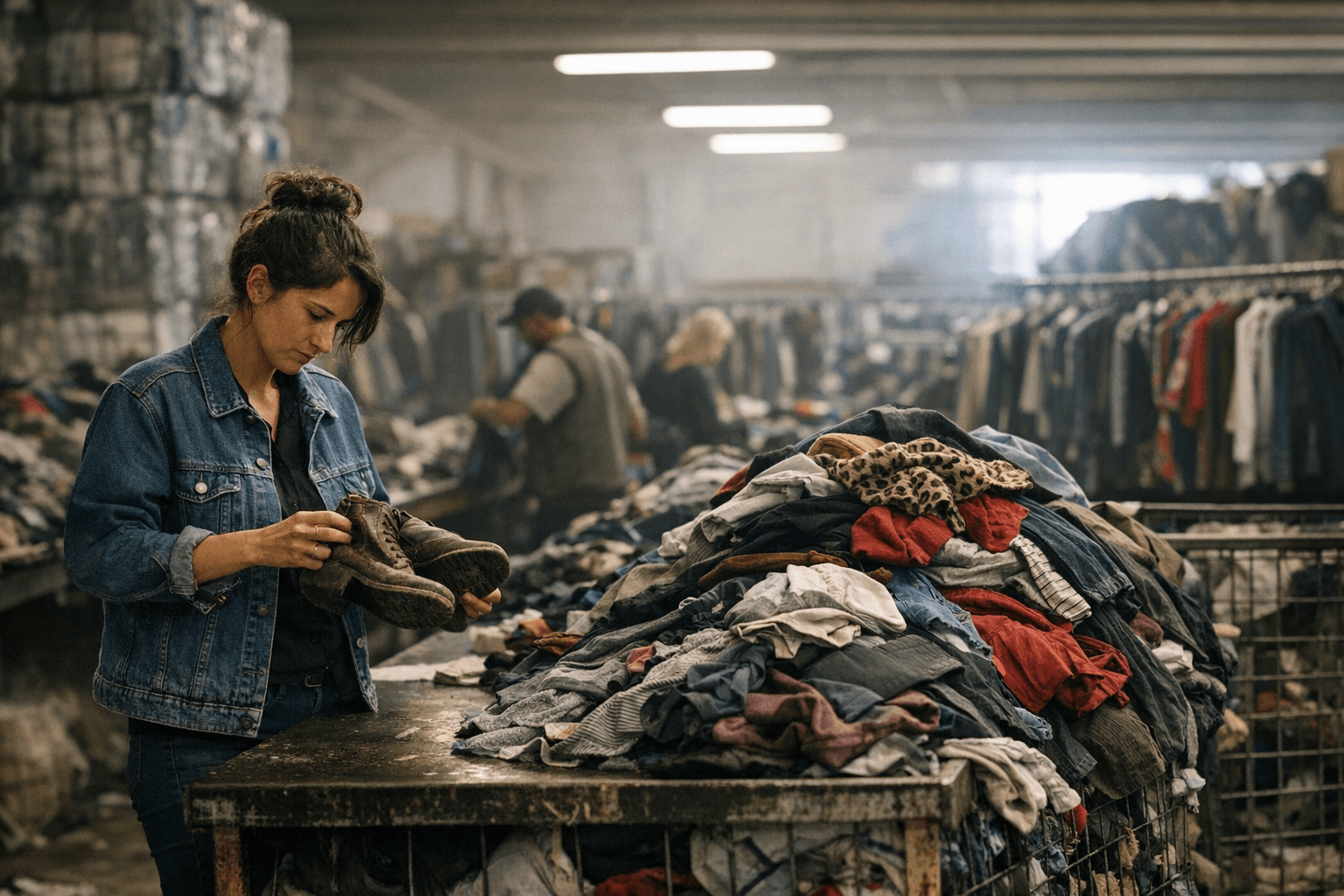
The global trade in used clothing has expanded sharply over recent decades, and multiple UN-linked sources describe it as having increased sevenfold over the last four decades. That is scale. That is distribution. That is infrastructure, even if the industry keeps framing it as a leftover from a less modern fashion economy. The truth is harsher and more useful: reuse is already the most established circular route the sector has.
Why recycling still feels like the future, even when the numbers do not support it
Part of recycling’s appeal is psychological. It sounds cleaner, more technical, more final. A garment broken down and made into another garment sounds like closure. But the sector has spent years confusing promise with capacity. London’s argument is that closed-loop recycling should be explored and developed, but it must complement reuse, not replace it. That distinction is where the money, policy and media attention need to shift.
The European Commission-backed textile EPR work shows how early the policy landscape still is. At the time of that report, only three countries had adopted textile extended producer responsibility policies: France, Hungary and the Netherlands. That is not a mature regime. It is a foothold. The Organisation for Economic Co-operation and Development has also published a working paper evaluating the potential for EPR in garments, which tells you how much of the policy conversation is still in the assessment phase rather than the execution phase.
Even the most circular-minded institutions are saying the same thing in slightly different language. The Ellen MacArthur Foundation’s summary materials say less than 1% of clothing material is recycled into new clothing, while its wider framing puts more than USD 500 billion in value at risk each year through underutilization and the lack of recycling. Whether you focus on the narrower material-loss figure or the broader economic one, the message is the same: the sector is leaking value on a massive scale, and recycling alone is not plugging it.
The second-hand economy is not frictionless, and that is why policy matters
Reuse is not automatically benign. That is where the story becomes more serious, and more useful. UNEP is developing a framework to distinguish reusable textiles from textile waste, with work focused on Ghana, Kenya, Pakistan and Tunisia because those countries receive high volumes of used-textile imports. That is a crucial detail for anyone still treating second-hand trade as a feel-good export story. Garments do not vanish when they leave a wealthy market. They land somewhere, and the receiving system has to sort, sell, repair, discard or dispose of them.
UNEP and other UN bodies have warned that second-hand textile flows can become a waste-management burden when infrastructure is weak. The Basel Convention adds another hard fact: most textiles collected for reuse and recycling are destined for second-hand clothing markets, and less than 1% are recycled into new textile fibres. In other words, the current global system is already built around reuse, but too often it is operating without the policy and municipal support needed to keep that flow clean, useful and dignified.
That is why London’s push for reuse first is not nostalgia. It is a waste-hierarchy argument with real-world consequences. If EPR money is poured exclusively into future recycling technology, the sector risks starving the very systems that make reuse viable today: grading, sorting, logistics, quality control and waste management in the countries receiving used clothing. The right investment mix would strengthen those systems first, while still funding the next generation of recycling technologies.
What fashion gets wrong when it treats reuse as old news
The industry’s reflex is to chase the newest possible solution, especially when it can be wrapped in innovation language and investor optimism. But the smarter move is less glamorous. Protect the reuse channel, improve the sorting and collection systems around it, and treat recycling as a parallel track rather than the headline act.
That matters for what fashion becomes next. If reuse is treated as infrastructure, not afterthought, the industry can reduce waste faster, create better jobs across sorting and resale, and avoid pretending that a still-nascent recycling sector can shoulder the entire burden of circularity. If it is treated as old news, the sector will keep funding the future while neglecting the system already in motion.
The correction is simple, even if the politics are not. Reuse is not what the industry graduates from on the way to recycling. It is the scale solution already on the ground, and the smartest circular-fashion strategy is to build around it before betting everything on a fix that is still years away.
This article was produced by Prism’s automated news system from verified source data, official records, and press releases, then run through automated quality and moderation checks before publishing. The system is built and supervised by the people who set the standards it runs under. Read our full AI policy.
Did this article answer your question?