H&M Stella McCartney board draws backlash over missing worker voices
H&M’s Stella McCartney-linked board debuted with fashion names and sustainability experts, but no worker seat, triggering a sharp labor backlash.

H&M wants its Stella McCartney tie-up to read like sustainability leadership. The problem is that the first loud verdict on its new Insights Board was about who was missing: worker representatives. Days after the board was unveiled, labor advocates said the setup looked less like structural change and more like a polished corporate reset, exactly the kind of credibility gap that now shadows every fashion brand that talks green while still running a mass-market supply chain.
The board held its first meeting in London in March 2026, and the guest list was pure fashion-world oxygen: Kiara Nirghin, Amelia Gray, Susie Lau, Adwoa Aboah, Anitta, Stella McCartney, H&M topic experts, with Julie Gilhart moderating. H&M and McCartney said the collaboration was meant to “bring together different voices and perspectives” and create “a space for curiosity and listening,” with the broader goal of keeping sustainability at the center of fashion conversation. The board is set to discuss animal welfare, circularity, material innovation and communication, which sounds ambitious until you notice the one voice that did not get a chair.
Clean Clothes Campaign called the board a “desperate PR move” and said no worker representative was invited. Bogu Gojdź’s line cut through the styling fast: there is “no sustainability without workers’ rights.” That is the standard H&M now has to meet, not just the standard it wants to set. The brand says it has 132,000 employees and works with more than 1.1 million garment workers employed by suppliers, with more than 550 tier 1 suppliers across over 960 factories. It also says it has 135 dedicated sustainability staff in production offices, which is a serious footprint, but not the same thing as giving workers power in governance.
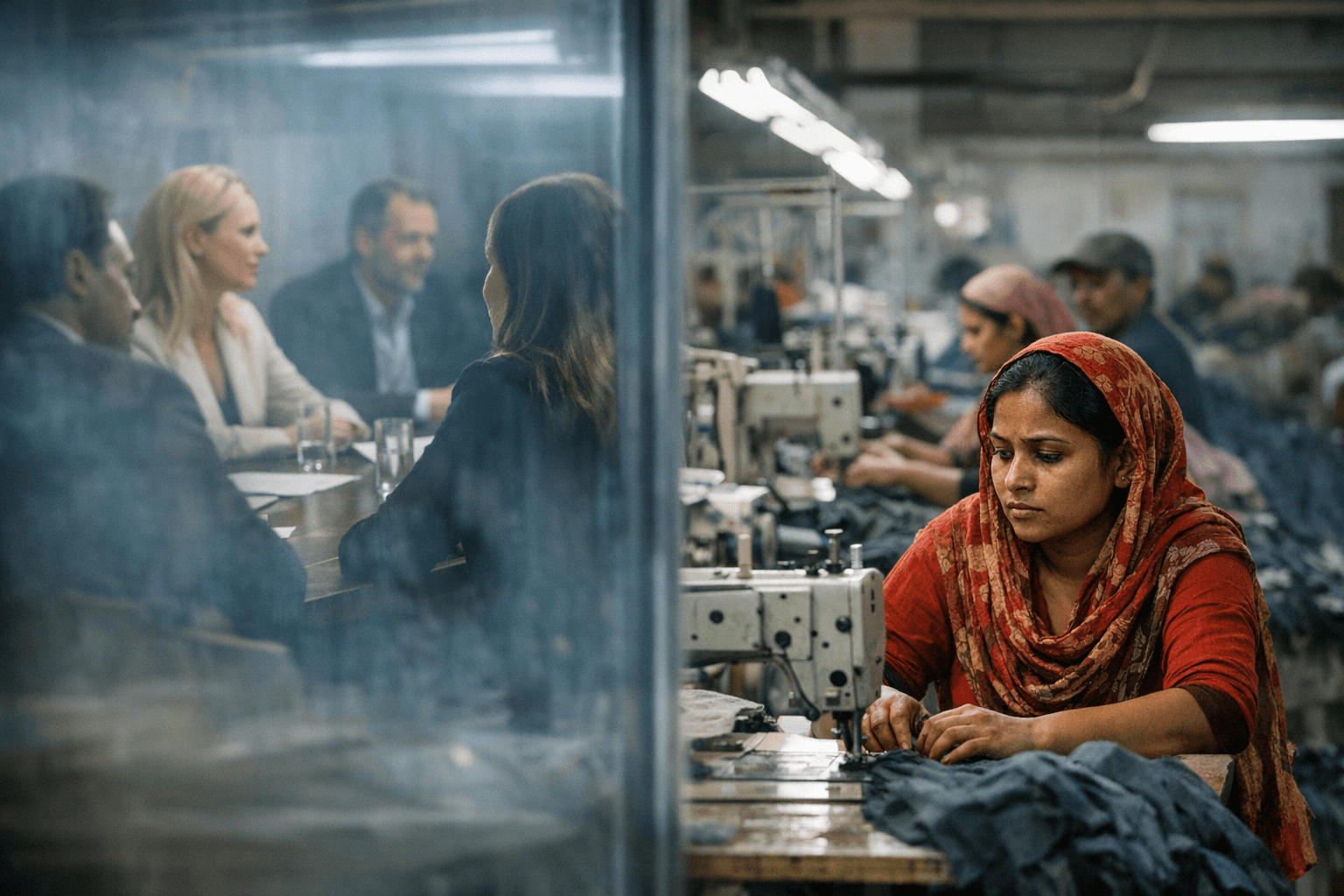
H&M is leaning hard on its labor credentials. The company says it heard from more than 164,000 workers in 2024 about conditions in supplier factories, and more than 95% knew how to file a grievance. It says more than half of grievances in in-scope factories were solved within 24 hours, over 450 tier 1 factories were enrolled in its Wage Management System program, and three new collective bargaining agreements backed through ACT were signed in Cambodia in 2025. H&M also points to its Global Framework Agreement with IndustriALL Global Union and IF Metall, first established in 2015 and marked at its 10-year anniversary in 2025, plus its role as an early signatory to the Accord on Fire and Building Safety in Bangladesh in 2013. But after years of greenwashing scrutiny and take-back-scheme criticism, the message is clear: celebrity names can decorate the board, but worker voice is what now decides whether sustainability reads as progress or performance.
This article was produced by Prism’s automated news system from verified source data, official records, and press releases, then run through automated quality and moderation checks before publishing. The system is built and supervised by the people who set the standards it runs under. Read our full AI policy.
Did this article answer your question?


