How to judge fashion brands, from fabric sourcing to worker treatment
The greenest-looking label can still hide fossil fibers and weak labor practices. These questions separate real transparency from polished greenwashing.
Start with the material, because that is where the damage begins
The most revealing question you can ask a fashion brand is also the simplest: what is this garment actually made from, and where did those fibers come from? Fashion produced about 2.1 billion tonnes of greenhouse gas emissions in 2018, roughly 4% of the global total, and about 70% of those emissions came from upstream work such as materials production, preparation, and processing. If a brand cannot explain its fibers with specificity, it is asking you to trust the finish of the dress, not the reality of its footprint.
Ask: is this fabric truly moving away from virgin fossil-based synthetics?
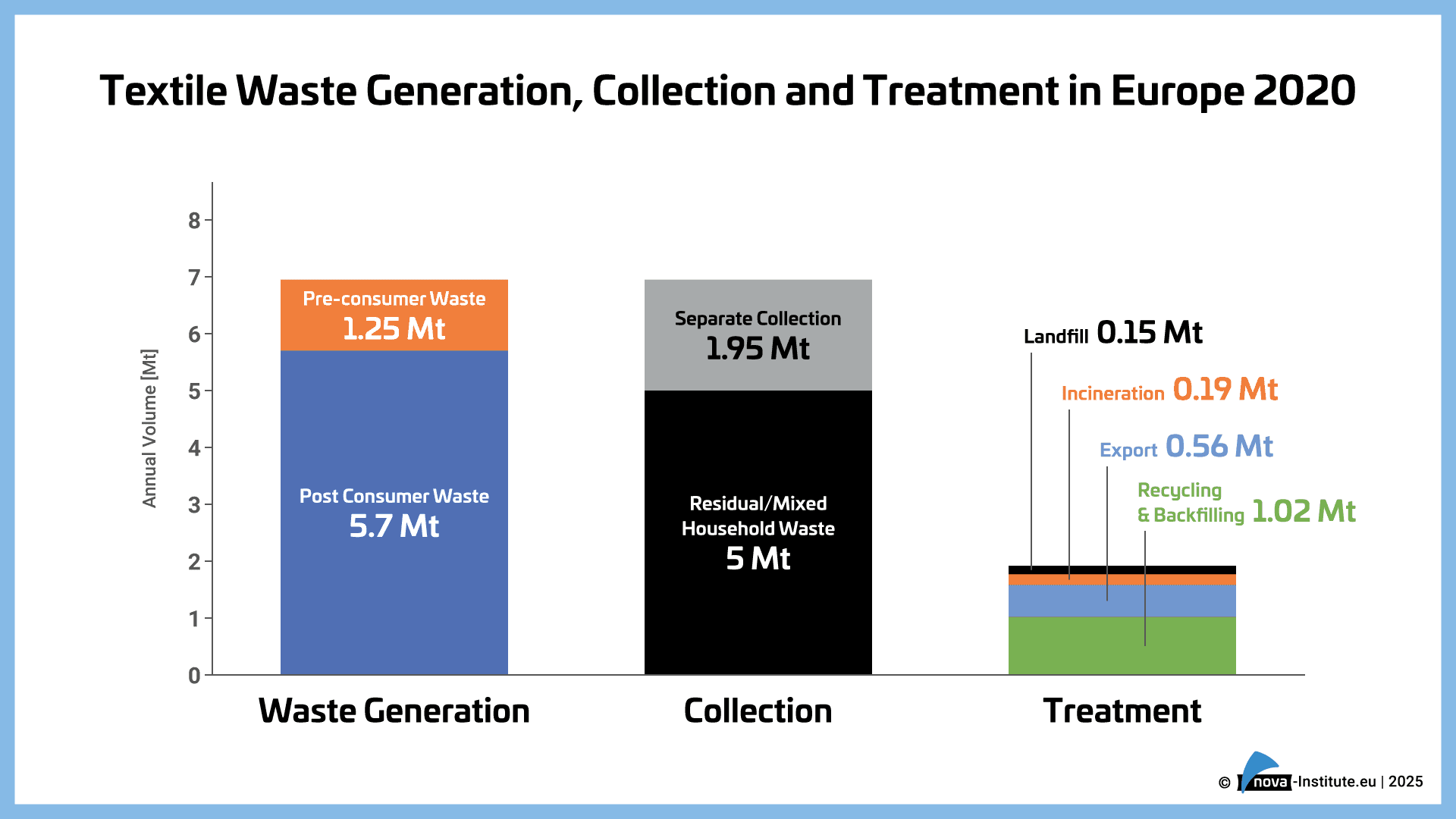
Polyester still dominates fashion. Textile Exchange says it made up 59% of total global fiber output in 2025, and 88% of polyester was fossil-based. Less than 1% of the global fiber market came from pre- and post-consumer recycled textiles, which means a recycled-content claim deserves scrutiny, not applause.
A credible brand should tell you the exact fiber blend, the share of recycled content, whether that recycled content is pre-consumer or post-consumer, and how it is verified. If the answer is a glossy phrase like “conscious fabric” or “eco blend,” that is a red flag. What you need is proof, not mood: fiber percentages, traceability documents, and a clear explanation of whether the brand is reducing reliance on virgin synthetics or just polishing the language around them.
For your buying decision, this question helps you separate a silk blouse from a polyester lookalike that will shed microfibres and age fast. Around half a million tonnes of microfibres enter the ocean each year when garments are washed, so the fiber choice is not abstract. It changes how a piece wears, how often you will wash it, and how much invisible debris it may leave behind.
Ask what the brand is doing to sell fewer new things
Not every sustainability story is about a better yarn. Some of the most meaningful change lies in whether a brand is willing to shift away from the endless churn of new product. The Ellen MacArthur Foundation says circular business models such as resale, rental, repair, and remaking could be worth USD 700 billion by 2030 and account for 23% of the global fashion market.
A credible brand should be able to say whether it repairs pieces, takes them back, resells them, or remakes deadstock and returns into new product. If the answer is only a capsule collection made from “responsibly sourced” fabric, that is not circularity, it is still the same old funnel with a greener label. For a reader deciding where to spend, the practical question is whether the brand is trying to extend the life of clothes or just persuade you to buy another one.
Ask: does the brand publish real environmental reporting, or just marketing language?
Good reporting has edges. It names targets, gives a baseline, explains methodology, and shows progress over time. Weak reporting leans on adjectives, vague promises, and isolated wins without saying how much the company buys, makes, or emits.
A credible brand should show the scope of its reporting, the years covered, the metrics used, and the method behind the numbers. If it says it is “on a journey” but will not disclose progress, you are looking at storytelling, not accountability. The distinction matters because textiles production alone generates about 1.2 billion tonnes of greenhouse gas emissions annually, more than international flights and maritime shipping combined; the scale of the problem demands measurable disclosure, not branding.
This is the section that helps you decide whether a brand’s environmental claims should change your shopping behavior at all. A label that tracks progress against clear targets deserves more trust than one that only publishes a sustainability mood board.
Ask who made the clothes, and under what conditions
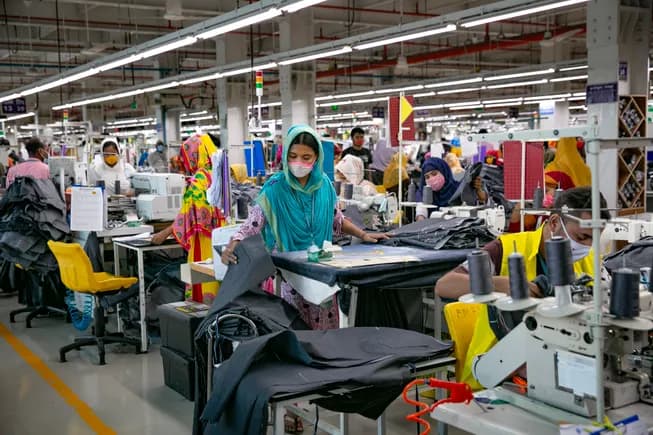
Fashion’s labor questions are not side issues. The Organisation for Economic Co-operation and Development says the garment and footwear sector’s size, complexity, and fragmentation make it difficult for companies to manage labor, human rights, environmental, and integrity risks in their supply chains. The OECD adopted its Recommendation on responsible garment and footwear supply chains on May 17, 2017, and stresses that due diligence should be ongoing, proactive, and reactive, not a one-time supplier check.
Ask: can the brand name its factories and explain its due diligence?
A credible brand should be able to name key factories, describe how often they are audited, explain what happens when problems are found, and show how workers are protected during remediation. If the answer is “we have a code of conduct” with no factory list, no audit rhythm, and no follow-through, that is a classic deflection. A code is paperwork; due diligence is a system.
The everyday buying decision here is more concrete than it first appears. If two brands make equally chic tailored trousers, the better choice is the one that can tell you where they were cut and sewn, who monitored the factory, and what happens if wages, hours, or safety standards slip.
Ask: how does the brand treat wages, bargaining, and worker voice?
The International Labour Organization has highlighted persistent decent-work deficits in garment supply chains, including wages, collective bargaining, and compliance with labor standards. It has also noted that workers in the sector have often faced poor working conditions and vulnerability, even as some parts of the Asian garment sector have seen wage gains. That is the heart of the matter: a beautiful garment can still be built on weak labor terms.
A credible brand should discuss wages, worker representation, grievance mechanisms, and the way it responds to complaints. Silence on collective bargaining is a warning sign, because it often means workers have little real leverage. This is not just a labor issue, either. The garment and footwear sector employs millions of low-skilled workers globally, many of whom are women, so every wage question is also a gender-equity question.
Ask whether certifications are doing real work, or just decorating the label
Certifications can help, but they are not a substitute for company-level accountability. The stronger question is not whether a brand carries a badge, but what the badge covers, who verifies it, and whether the brand can show the factory list, audit cadence, and remediation steps behind it. The OECD’s guidance is clear on the broader principle: due diligence should be built into the business, not outsourced to a logo.
A credible brand should distinguish between third-party certification, supplier codes, and its own internal controls. If it names a certification but cannot explain its scope, that is a red flag. For readers, the point is practical: a label matters most when it sits inside a system of disclosure, monitoring, and repair.
Use these questions as your fastest transparency test
When a brand claims to be better, these are the questions that cut through the choreography:
- What exact fibers are in the garment, and how much is recycled versus virgin?
- Can you name the factories and explain how often they are audited?
- What happens when a violation is found, and how is it fixed?
- Do you publish full supply-chain lists, not just supplier categories?
- What are your emissions targets, what is your baseline, and how are you measuring progress?
- Do you run repair, resale, rental, or remaking programs, or is every improvement tied to selling more new product?
If a brand answers with specifics, dates, numbers, and methods, it is treating you like a customer who deserves evidence. If it answers with values, feelings, and vague aspiration, it is asking you to accept fashion’s favorite illusion: that a beautiful object must also be a responsible one.
The most useful sustainable-fashion judgment is not about perfection. It is about whether a brand can prove, in public and in detail, that it understands where its impact begins, who bears it, and what it is doing to reduce it.
This article was produced by Prism’s automated news system from verified source data, official records, and press releases, then run through automated quality and moderation checks before publishing. The system is built and supervised by the people who set the standards it runs under. Read our full AI policy.
Did this article answer your question?