Traceability Becomes Essential, Fashion Brands Prove Fiber to Garment Origins
Fashion’s paper trail is becoming the real luxury. Brands now have to prove fiber-to-garment origin, not just promise it.
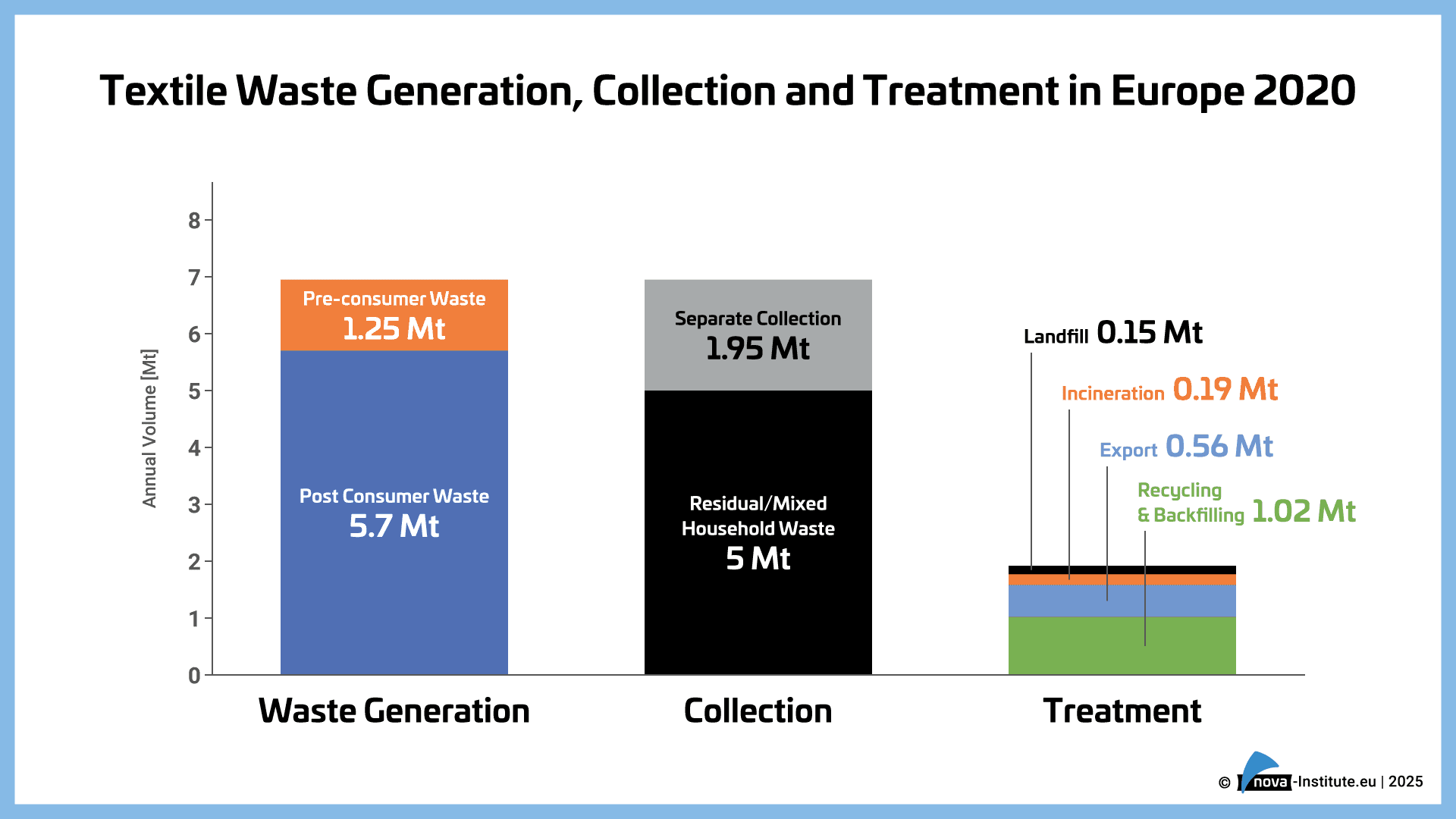
The new luxury in fashion is a paper trail you can audit. In the European Union alone, 5 million tonnes of clothing are discarded each year, roughly 12 kilos per person, while only 1 percent of material in clothing is recycled into new clothing. Now the pressure is turning from talk to proof: the European Commission has moved to stop the destruction of unsold clothes and shoes, and its new rules require companies to disclose what they discard. As Commissioner Jessika Roswall put it, “The textile sector is leading the way in the transition to sustainability, but there are still challenges. The numbers on waste show the need to act.”
What real traceability looks like
Real traceability is not a glossy sustainability page or a recycled-content claim in soft focus. GOTS defines it as the ability to identify and follow a product through the value chain, from the origin of its raw materials to final delivery to the consumer, and it says that only an independent, gapless verification of the product flow counts. In practice, that means every company in the chain must meet specific requirements, because the whole point is to know where the fibre came from, who handled it, and what happened at each stage.
The checkpoints that make a claim believable
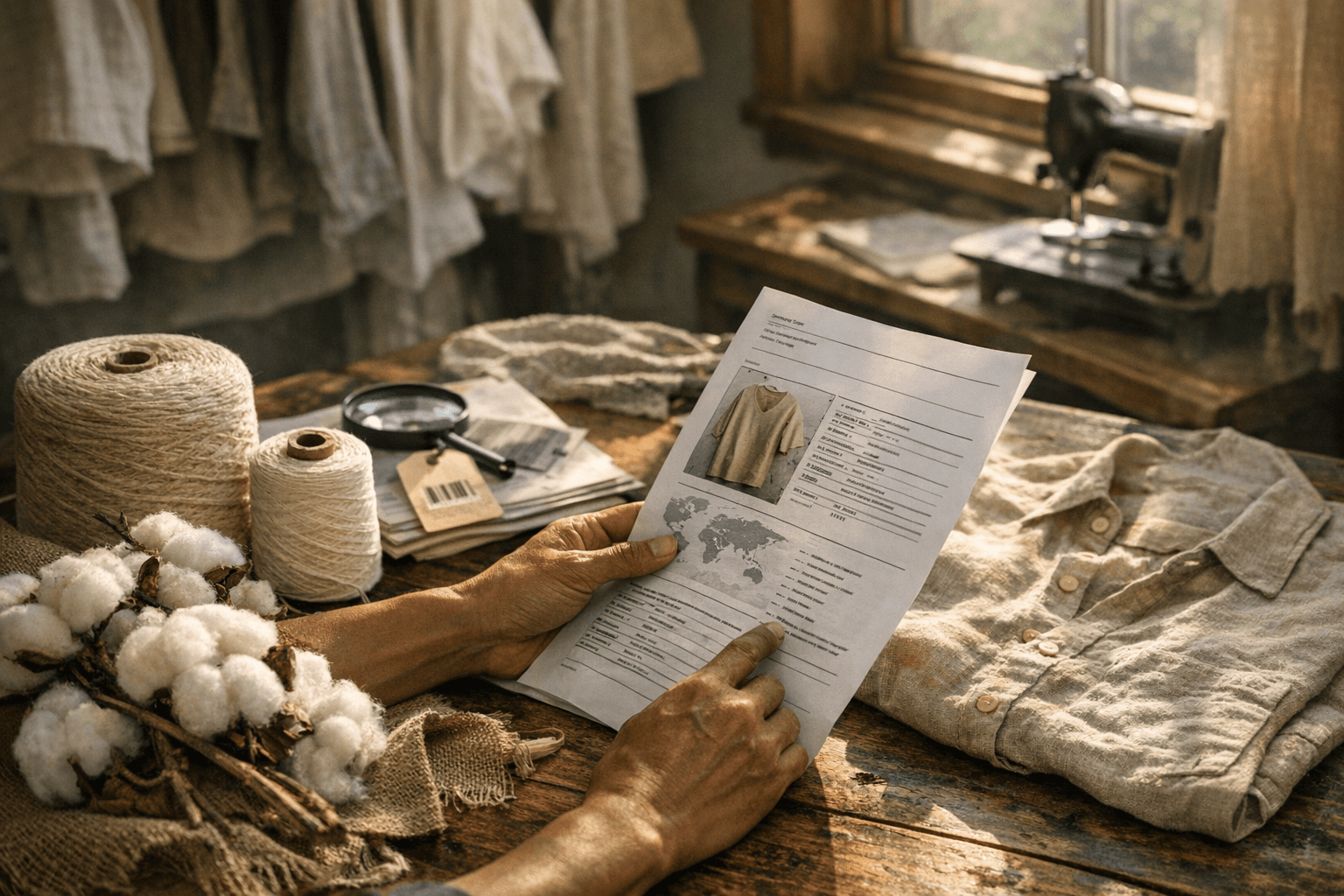
The strongest traceability systems read like a disciplined wardrobe label, not a campaign slogan. GOTS uses Scope Certificates to show which products are covered, which production sites are involved, and which value-chain partners are part of the process. Transaction Certificates then track each transfer of goods, recording the product type, quantity, buyer, seller and date, while Certification Bodies reconcile volumes and check the mass balance to make sure the input material is enough to support the output being claimed.
That paper trail gets even more specific at the fibre stage. GOTS says the first Transaction Certificate at ginning must include the Farm TC number, and the raw material origin must state the region, state and province. That is the kind of detail that separates real origin proof from a vague “responsibly sourced” label. It is also why a better traceability system feels less like marketing and more like inventory control with consequences.
The systems behind the curtain
Traceability at scale needs infrastructure, not just good intentions. Open Supply Hub describes itself as an accessible, collaborative supply-chain mapping platform, and that kind of facility-level visibility is becoming the backbone of modern compliance work. GOTS is building its own digital layer too, including Global Trace-Base, first-mile fibre registries and impact-monitoring tools, all meant to strengthen traceability, transparency and data quality across certified supply chains.
The policy push is coming from Europe, where textiles are no longer being treated as a side issue. The European Commission’s sustainable textiles strategy says it will introduce a Digital Product Passport, set design requirements to make textiles last longer and easier to repair and recycle, and bring in mandatory and harmonised extended producer responsibility rules across member states. The European Parliament’s textile-sector study adds that a digital product passport could improve traceability, circularity and transparency for producers, regulators, sorters, recyclers and consumers, and it was built on a survey of more than 80 stakeholders.
Why the burden lands on suppliers
This shift looks elegant from the front row and laborious backstage. GOTS says certification bodies must be independently accredited, audits happen on site, and every participant in the system must follow mandatory requirements that are designed to prevent fraud throughout the value chain. Global Standard’s 2025 annual report is blunt about the workload: as regulatory requirements change and supply-chain realities evolve, the organization has expanded training, due-diligence handbooks and auditor education, while investing in digital infrastructure to keep the data credible.
For brands, the burden is no longer just about making a clean claim. It is about collecting product-level data, digitizing it, sharing it across tiers, and making sure it survives scrutiny from auditors, customs, retailers and regulators. Even the European Commission says it will support manufacturers, importers and consumers through guidance, training and financial support, particularly for small and medium-sized enterprises, which tells you how operational this has become.
How to spot proof from theater
This is where fashion’s favourite vague phrases start to look flimsy. GOTS says certification offers tangible proof of integrity, unlike self-claims, which lack external validation. Its standards also put hard numbers around language that can otherwise drift into green fog: a product labeled “made with organic” must contain at least 70 percent certified organic fibres, while the “organic” label requires 95 percent certified organic fibres.
If you want the quickest way to separate substance from theater, look for four things:
- A named certification standard with clear scope and audit rules.
- Evidence that the claim reaches back to fibre origin, not just the final factory.
- Transaction-level records, not broad sourcing language.
- Product-level disclosure that can sit inside a digital passport or comparable machine-readable system.
The brands that will look most credible in the next cycle of regulation are the ones treating traceability as operating infrastructure, not a sustainability flourish. That means the best-dressed claim in fashion may soon be the one with the cleanest chain of custody, from field to finished garment.
This article was produced by Prism’s automated news system from verified source data, official records, and press releases, then run through automated quality and moderation checks before publishing. The system is built and supervised by the people who set the standards it runs under. Read our full AI policy.
Did this article answer your question?