JEPLAN and Syre Partner to Scale Textile-to-Textile
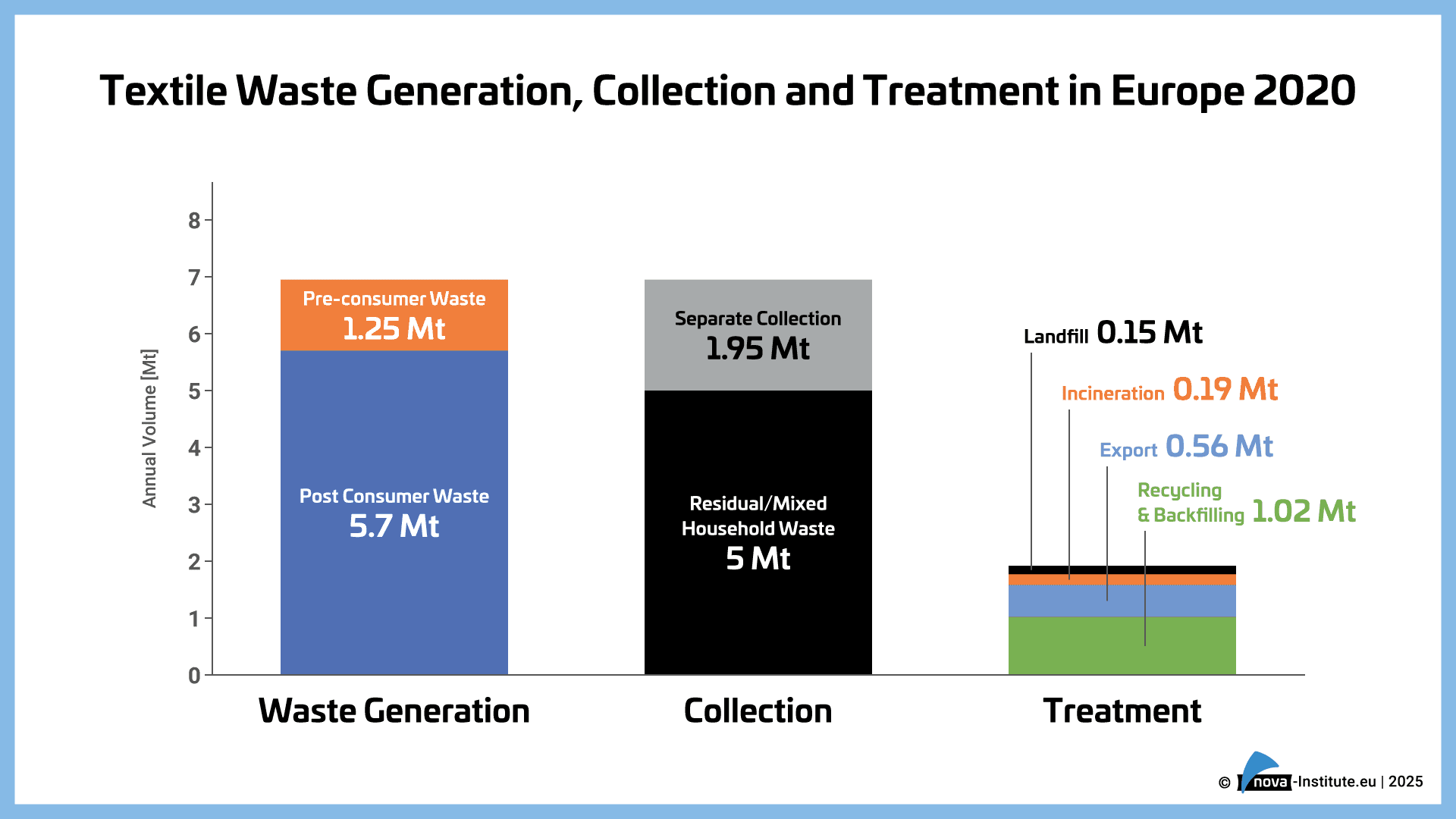
A $1 billion recycling plant, 150,000 metric tons of annual capacity, and a partnership built to make it real: JEPLAN and Syre are racing to industrialize circular polyester.
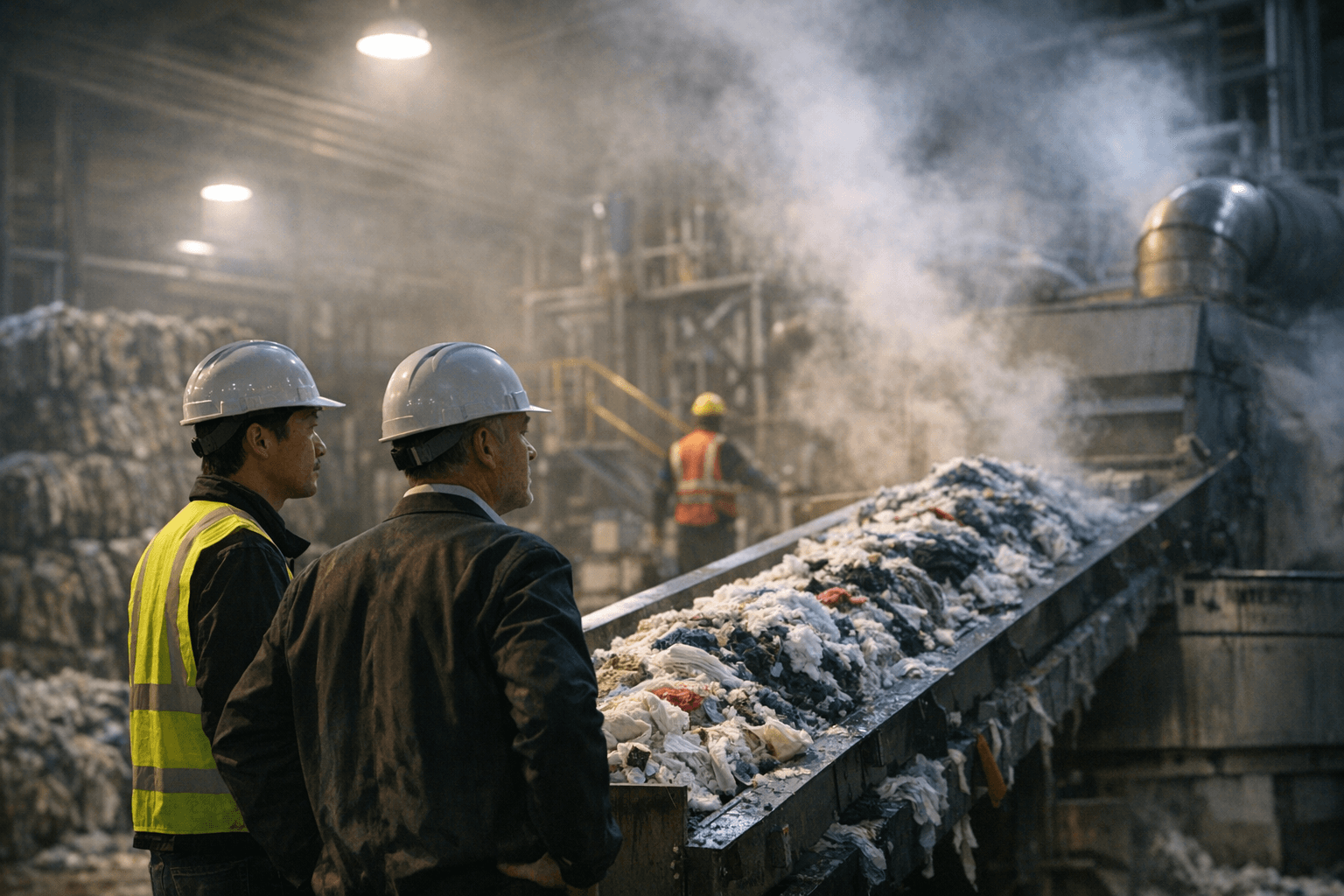
A $1 billion factory targeting 150,000 metric tons of circular polyester annually needs more than ambition to get off the ground. It needs chemistry. Syre, the Stockholm-based textile impact company, secured a critical piece of that on April 2, announcing a strategic partnership with JEPLAN, Tokyo's pioneer in chemical recycling for textiles and packaging.
JEPLAN's contribution is the depolymerisation process itself: glycolysis-based chemistry that breaks post-consumer polyester down to BHET, a monomer that can be repolymerized into fiber indistinguishable from virgin material. Syre, which calls its output cPET, handles what comes after, engineering that chemistry into something that can run at industrial scale and deliver qualifying product samples to brand partners H&M Group, Nike, Gap Inc. and Target.
The two companies set a concrete near-term target: multi-ton volumes of textile-to-textile recycled polyester suitable for spinning validation and product samples by late 2026. Brand sampling is the gateway to commercial contracts, and commercial contracts finance what comes next.
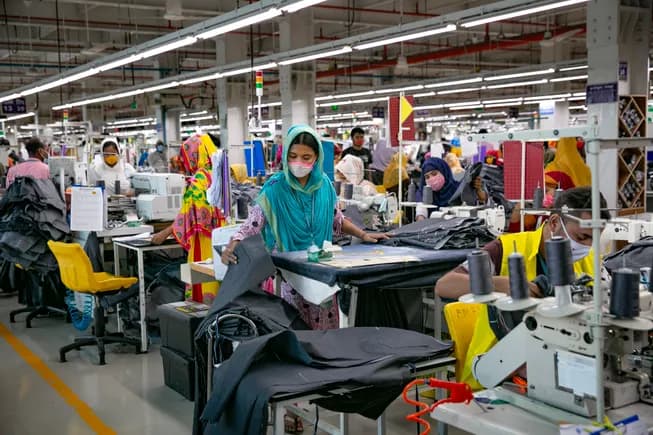
What comes next is Gia Lai. Syre's proposed gigascale plant in Vietnam's central province is scheduled to break ground in 2027, backed by $1 billion in capital and investors including TPG Rise Climate, Volvo Car AB, Giant Ventures, Norrsken VC and the IMAS Foundation. Southeast Asia's position as the world's dominant textile manufacturing belt makes Gia Lai a logical anchor: recycled cPET produced there arrives close to the spinning and weaving operations that must ultimately qualify it.
The JEPLAN deal completes a technical architecture Syre has been assembling in deliberate sequence. A prior memorandum of understanding with ABB covered plant automation. With depolymerisation chemistry now locked in through JEPLAN, Syre holds the core components of a full production stack.
Syre chief executive Dennis Nobelius was direct about why the company built through partnerships rather than developing everything internally. "We're not the best at everything," Nobelius said. "And we recognize the different types of expertise out there in the world." Going solo, he added, would have stalled commercialization by at least a decade.
JEPLAN chief executive Masaki Takao described the pairing as structurally complementary. "Syre's ambition, business backbone and global reach in technology integration, combined with our extensive chemical recycling experience, create a powerful platform for accelerating breakthrough solutions for the textile industry," Takao said.
Nobelius signaled that JEPLAN is only the first of several announcements. "We expect to announce several additional world-leading partnerships around the globe as we move toward full commercial deployment," he said.
One practical friction point still faces the Gia Lai facility: Vietnam restricts imports of used clothing, complicating the feedstock volumes a plant of that scale will require once operational. Syre has acknowledged the challenge without yet detailing a resolution.
The late-2026 spinning validation target leaves a narrow window before 2027 construction commences, and that compression appears entirely intentional. After years of chemical recycling technologies stalling between the lab and the factory floor, the JEPLAN-Syre architecture is built, explicitly, for industrial speed.
This article was produced by Prism’s automated news system from verified source data, official records, and press releases, then run through automated quality and moderation checks before publishing. The system is built and supervised by the people who set the standards it runs under. Read our full AI policy.
Did this article answer your question?