McGill researchers turn mussels and mistletoe into greener fashion materials
McGill has turned mussels and mistletoe into a blueprint for lower-impact fashion materials, but the real test is whether the chemistry can scale beyond the lab.

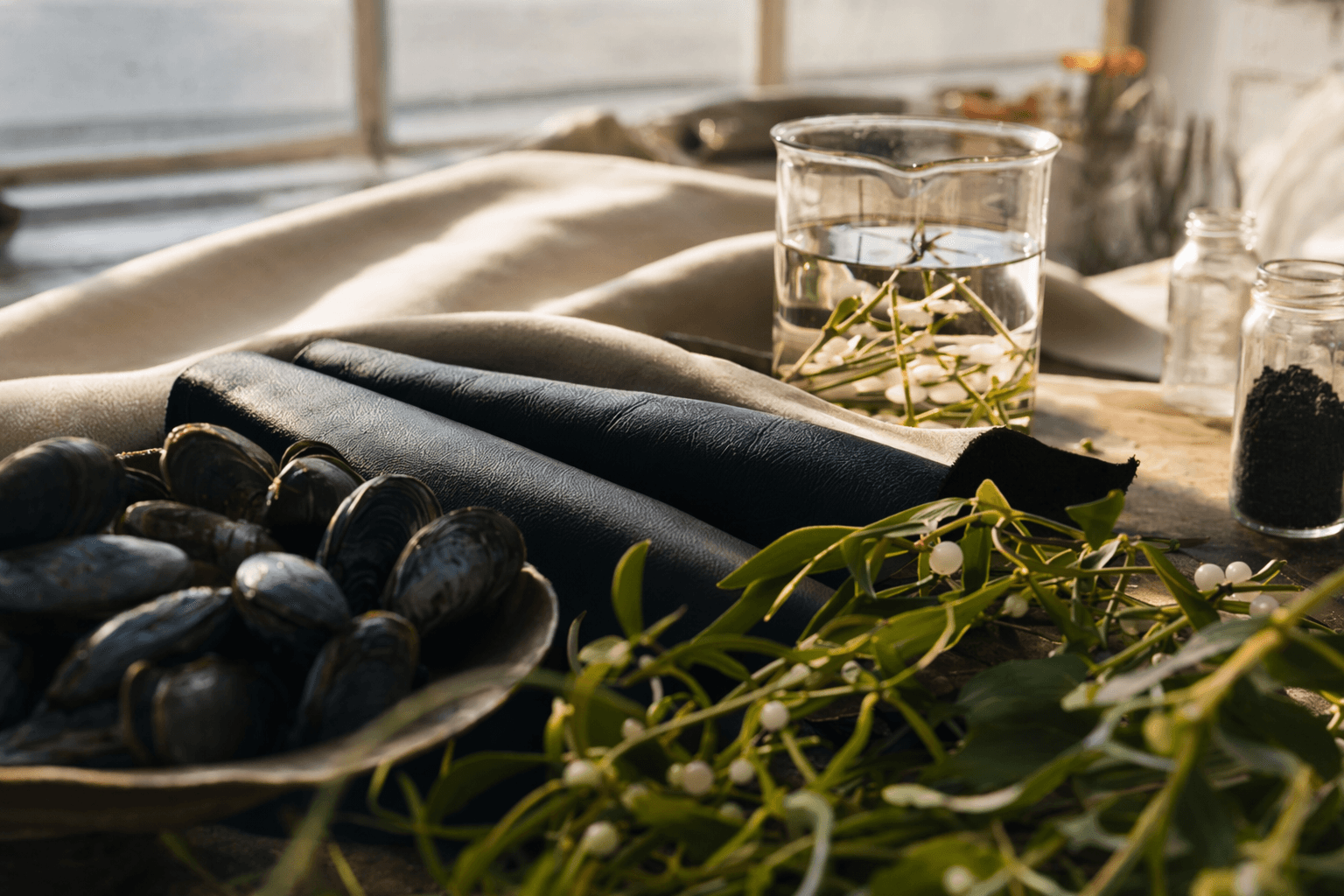
Mussels and mistletoe are not the obvious muses of fashion week, yet McGill University is betting they could reshape how the industry makes the sticky, structural parts of clothing. In Montreal, Quebec, Canada, Matthew J. Harrington’s Harrington Lab has developed protein-cellulose composites that self-assemble into strong, flexible and adhesive materials without energy-intensive processing, a route that could trim the environmental cost of plastics and glues.
The work, published April 8, 2026 in Advanced Materials, takes its cue from two biological systems that already do luxury-grade engineering at room temperature. Mussels build natural fibers and underwater adhesives with remarkable speed, while mistletoe builds fibrous structures through its own kind of biological design logic. McGill describes the approach as bottom-up manufacturing, the same broad strategy living organisms use to fabricate complex materials without the heat, pressure and chemical punishment that make industrial processing so costly.
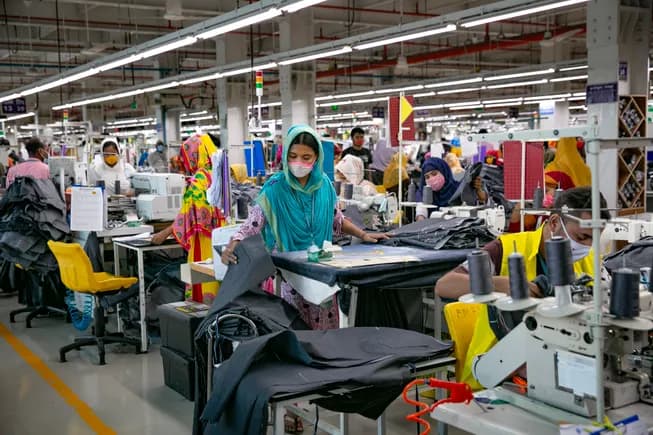
That is where the fashion relevance sharpens. Modern apparel still depends on a hidden kingdom of adhesives, coatings and composites, from bonded seams to laminated outerwear, interfacings and structured trims. If a material can be made to form itself into a durable, flexible network with less processing, it could eventually matter far beyond textiles on a lab bench. It could touch the invisible architecture of garments, where performance is often won or lost.
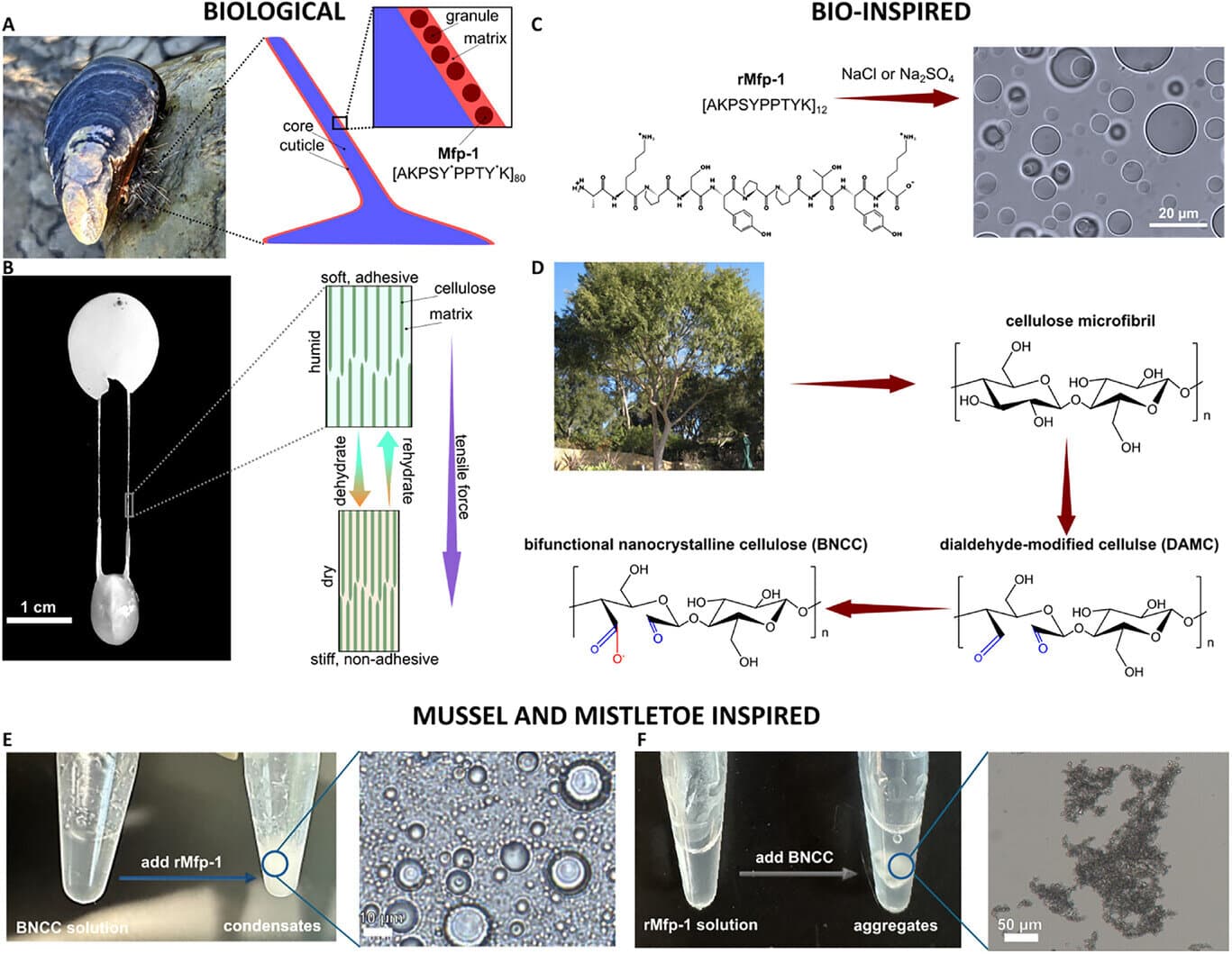
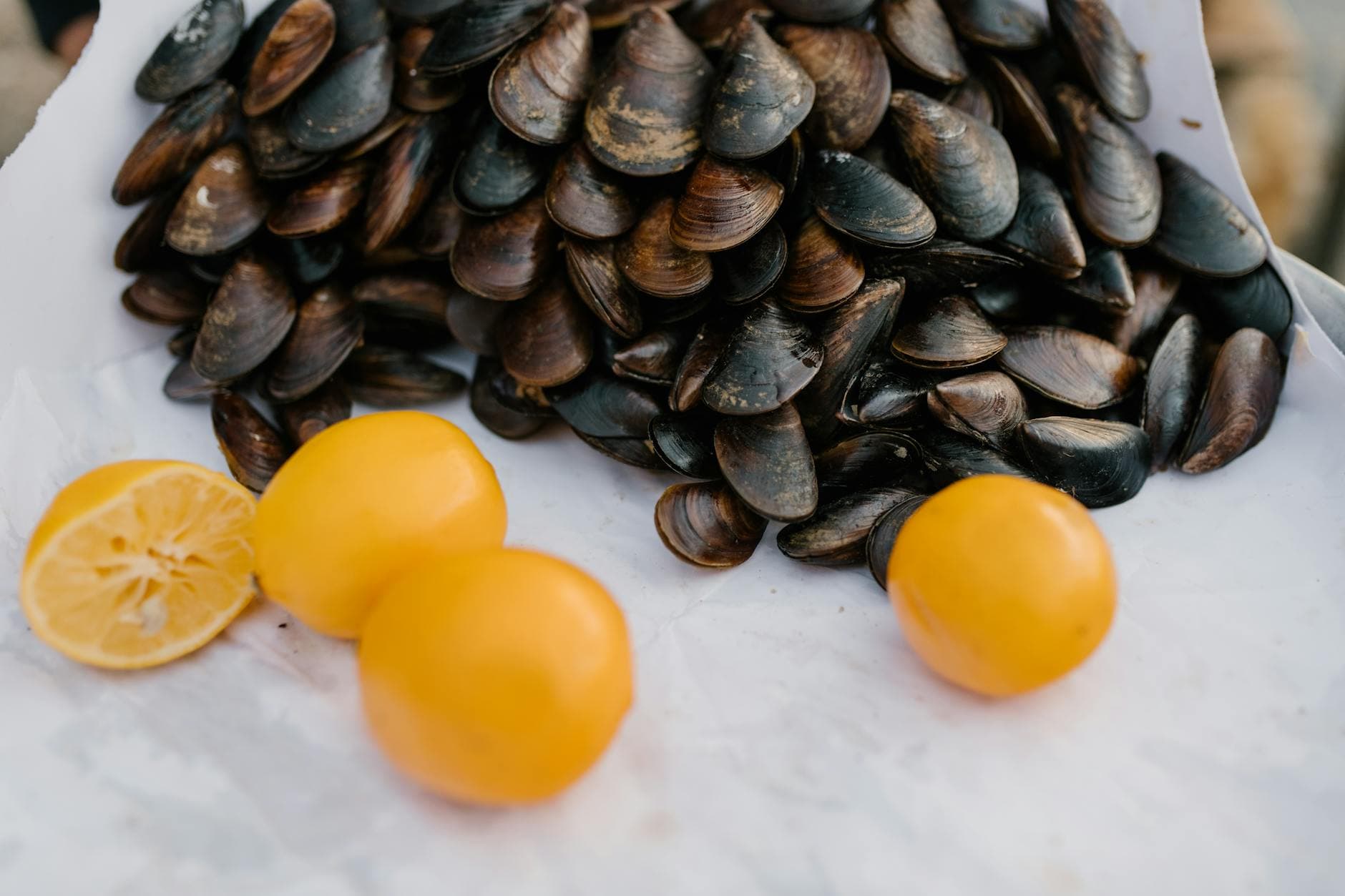
McGill’s earlier mussel research gives the new work its practical edge. The university has reported that mussels can make glue in just 2 to 3 minutes, helped by micron-sized channels in the mussel foot that funnel substances into the adhesive-making process. That speed is one reason mussels remain such a persuasive biomimicry model: they do not simply stick, they do it fast, efficiently and under water, where fashion materials usually fail.
The hard-headed question is how far this is from usable fashion inputs. Performance will come first: can the material hold up to bending, abrasion and moisture? Then manufacturability: can it be produced consistently outside a controlled lab? After that come cost and scale-up timelines, the two hurdles that usually separate elegant biomimicry from commercial reality. For now, McGill’s protein-cellulose composites read less like a finished textile revolution than like a credible materials platform, one that suggests the cleanest next-gen fashion innovations may start with chemistry that behaves more like living tissue than factory plastic.
This article was produced by Prism’s automated news system from verified source data, official records, and press releases, then run through automated quality and moderation checks before publishing. The system is built and supervised by the people who set the standards it runs under. Read our full AI policy.
Did this article answer your question?