SuperCircle Aims to Divert 1 Billion Textiles from Landfills by 2030
SuperCircle has already diverted more than 6 million textiles and is chasing 1 billion by 2030, using AI sorting to route returns, rejects and trade-ins.
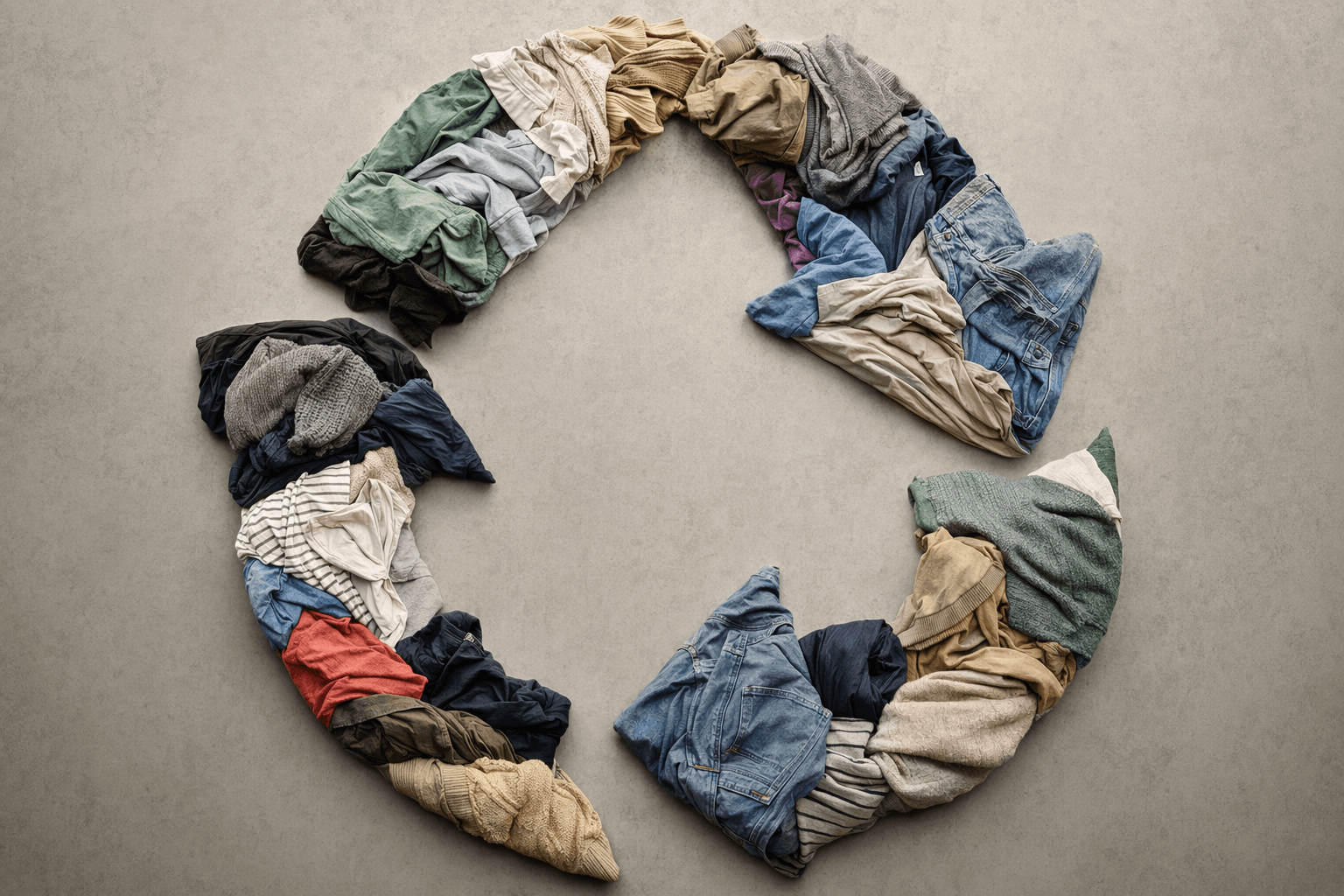
SuperCircle is trying to make textile recycling look less like a pilot project and more like the plumbing of fashion. The company says it has already diverted more than 6 million textiles from landfills, and it is now aiming for more than 1 billion by 2030, a scale that only works if the industry can sort messy garments quickly enough to give them a second life.
That is the real test. At Sourcing Journal’s Road to 2030: Dealing with Detours forum in New York City last week, co-founder and chief operating officer Stuart Ahlum described SuperCircle as sitting between retail and end-of-life reuse, where the inventory is rarely clean or simple. Returns, distribution-center rejects, damaged goods, excess stock and post-consumer items all move through the same system. SuperCircle says its AI-powered sortation and garment-level data direct those items into more than 50 reuse and recycling options, with fiber-to-fiber recycling used when the material can support it and downcycling filling the gaps when it cannot.
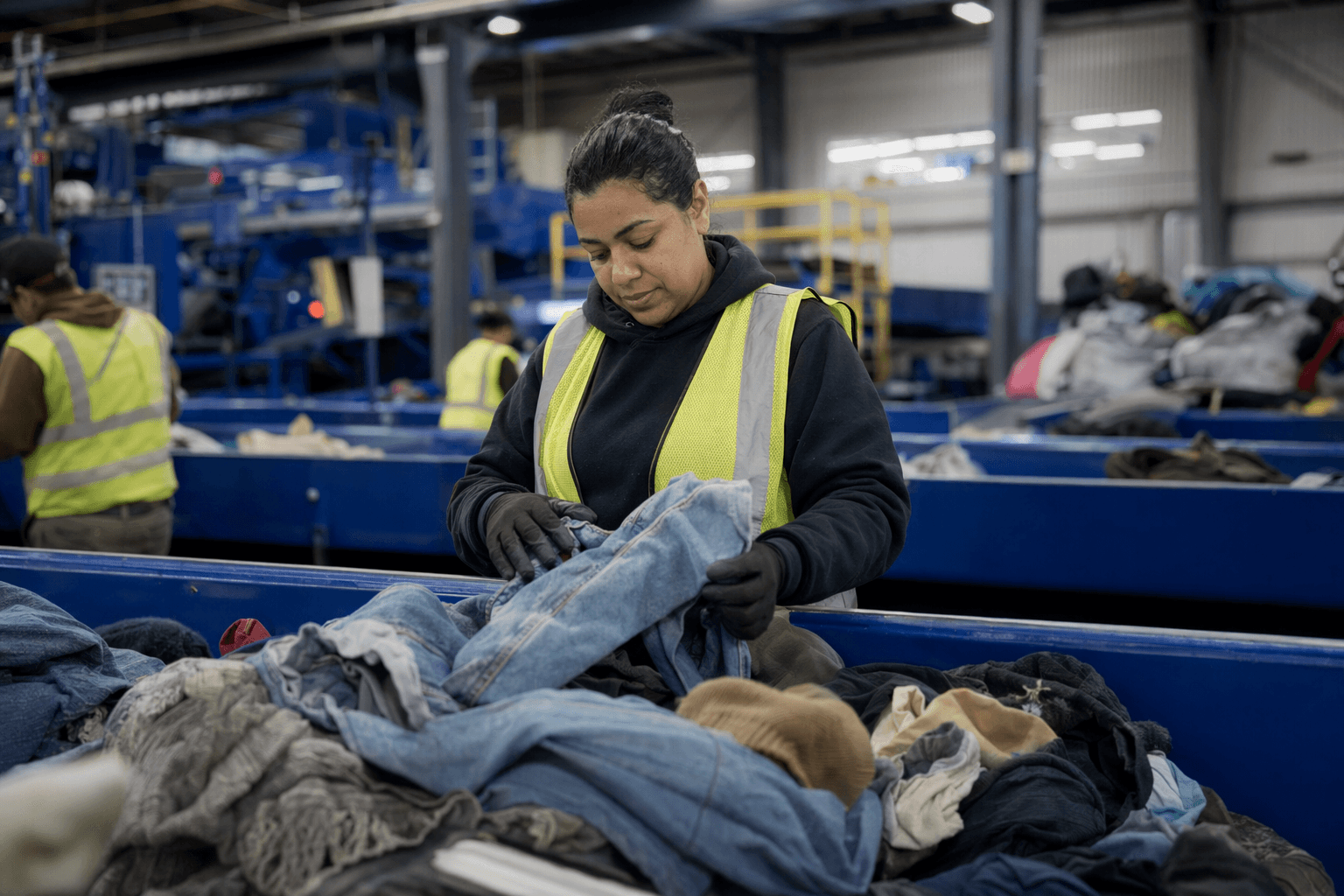
The urgency is not abstract. SuperCircle says 60% of new textiles hit landfill within 12 months, a figure that makes the company’s promise feel less like sustainability theater and more like an attempt to arrest a leak in the fashion supply chain. Textile Exchange has said the industry needs to reduce greenhouse-gas emissions from fiber and raw material production by 45% by 2030, which means the material problem starts long before a garment reaches a bin.
SuperCircle, founded in 2020, launched its consumer-facing recycling program in 2022 and has worked with tentree, Reformation, Mate the Label and Thousand Fell. In early 2025, the company raised $24 million in Series A funding led by Foundry, with participation from BBG Ventures, Renewal Fund and Elemental Impact, a round that signaled investor appetite for a cleaner alternative to the opaque liquidation channels that have long handled unwanted inventory. The pitch is straightforward: give brands more visibility, give textiles more chances, and keep less going to waste.
The bigger question is whether SuperCircle becomes the exception or the template. If it can keep moving from returns and trade-ins into real recycling streams at this pace, the company is not just diverting clothing. It is building one of the first serious back-end systems for circular fashion, and that may be the infrastructure the sector has been missing all along.
This article was produced by Prism’s automated news system from verified source data, official records, and press releases, then run through automated quality and moderation checks before publishing. The system is built and supervised by the people who set the standards it runs under. Read our full AI policy.
Did this article answer your question?


