New dyeing method reveals hidden microfiber pollution in textiles
A fluorescent dye exposed up to 280% more microfibres than standard tests, suggesting textile pollution has been badly undercounted.
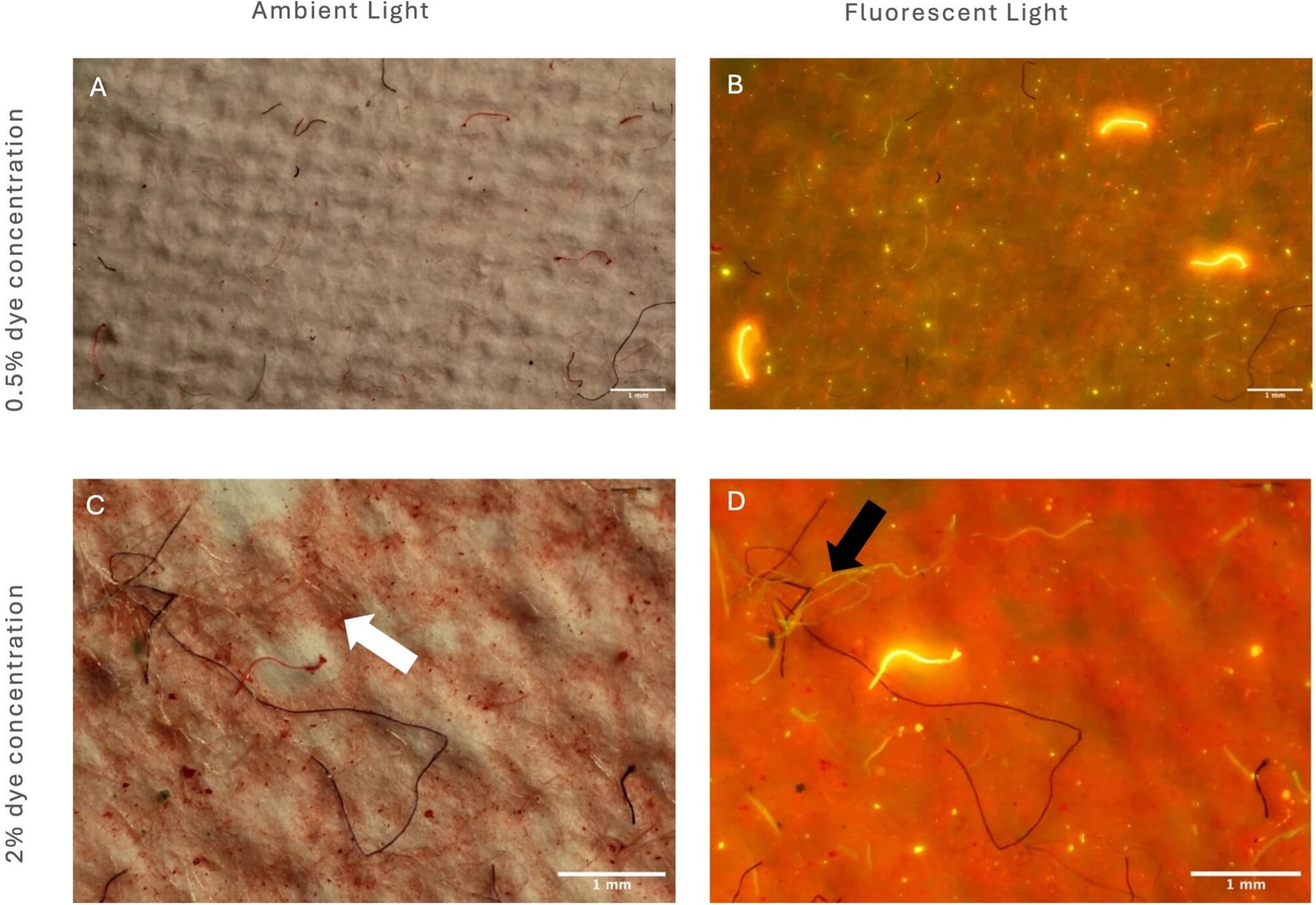
The dirty secret in textile pollution is not just that synthetic clothes shed. It is that routine testing has been missing a large part of what comes off in the wash. A University of Manchester-led study found a fluorescent technique detected up to 280% more microfibres than standard analysis, a jump that could force regulators, mills and brands to rethink how big the problem really is.
The method is clever in its simplicity. The researchers dyed polyester fabric with a fluorescent disperse dye before laundering it, then used semi-automated microscopy and fiber-counting software to make tiny, irregular fragments visible. The team, working with the University of East Anglia and Manchester Metropolitan University, published the work in Scientific Reports on December 16, 2025. Researchers including Elisabeth Allen, Claudia E. Henninger, Jane Wood, Celina Jones, Andrew G. Mayes, Arthur Garforth and Eve Micklewright helped show that textile pollution is not made up of neat thread-like fibers alone, but a wider range of fragment shapes and sizes.
That matters because the smallest pieces are the hardest to see and, the authors say, may be the most likely to persist in the environment and enter living organisms. It also matters because the fashion industry has long leaned on measurement systems that are slow, labor-intensive and vulnerable to counting bias and contamination in textile testing laboratories. A review cited in the broader literature has already warned that there are no standardized procedures that make microfiber studies easy to compare, which leaves brands, scientists and policymakers speaking different languages when they talk about mitigation.
The scale is sobering. Prior research cited in the paper suggests a 6 kg wash load can release about 700,000 microfibres per wash. Against that backdrop, missing smaller fragments is not a technical footnote. It changes the size of the bill.
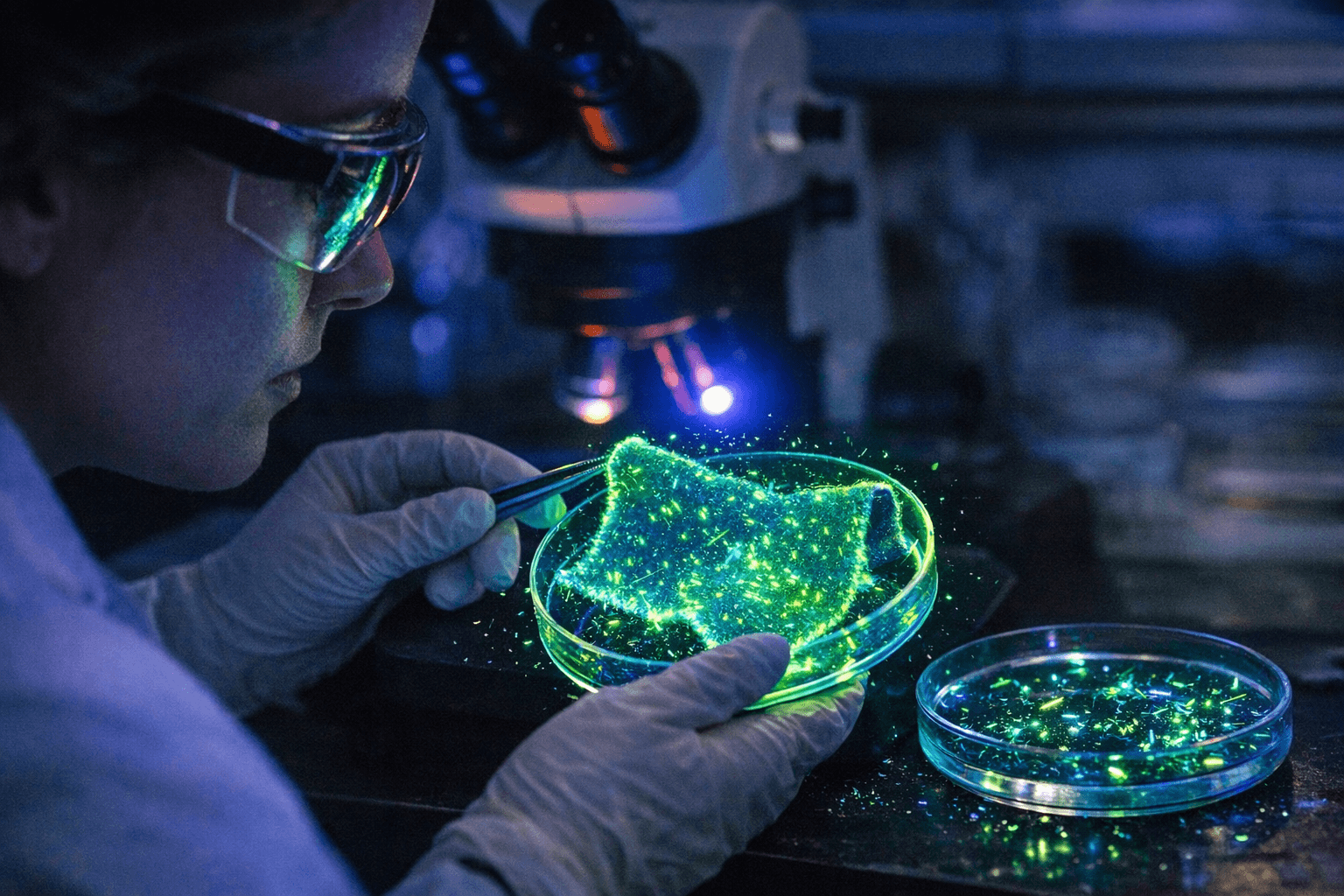
The timing is pointed. The European Commission says textiles carry the fourth-highest environmental and climate impact among consumption categories after food, housing and mobility. It also says about 5 million tonnes of clothing are discarded each year in the EU, around 12 kg per person, while only about 1% of clothing material is recycled into new clothing. The EU textiles strategy already targets the unintentional release of microplastics from synthetic textiles and plans mandatory, harmonized extended producer responsibility rules across member states.
That is where this fluorescent breakthrough lands with real force. Better detection does not just sharpen the science; it raises the bar for eco-design, testing standards and brand claims about microfiber mitigation. Once the hidden fragments are visible, the fashion industry has less room to argue that the problem is smaller than it looks.
This article was produced by Prism’s automated news system from verified source data, official records, and press releases, then run through automated quality and moderation checks before publishing. The system is built and supervised by the people who set the standards it runs under. Read our full AI policy.
Did this article answer your question?


