Nordic lawmakers target fashion greenwashing, overconsumption and labor abuses
Nordic lawmakers voted to tighten the screws on fashion claims, forcing brands to prove their sustainability talk while tackling overbuying and supply-chain abuse.
If this recommendation becomes policy, the era of vague “green” fashion copy could get much shorter. Nordic lawmakers unanimously backed a plan on May 4 to crack down on misleading sustainability claims, sharpen consumer information and demand better working conditions across textile supply chains, a move that puts marketing teams, sourcing departments and shoppers on notice.
The push started with the Nordic Youth Council and was refined by the Nordic Council Committee for a Sustainable Nordic Region before the full Nordic Council adopted it. That matters because the council is not a symbolic club. It is the official inter-parliamentary body for Nordic co-operation, with 87 elected MPs from the eight Nordic parliaments, and Finland holds the 2026 presidency.
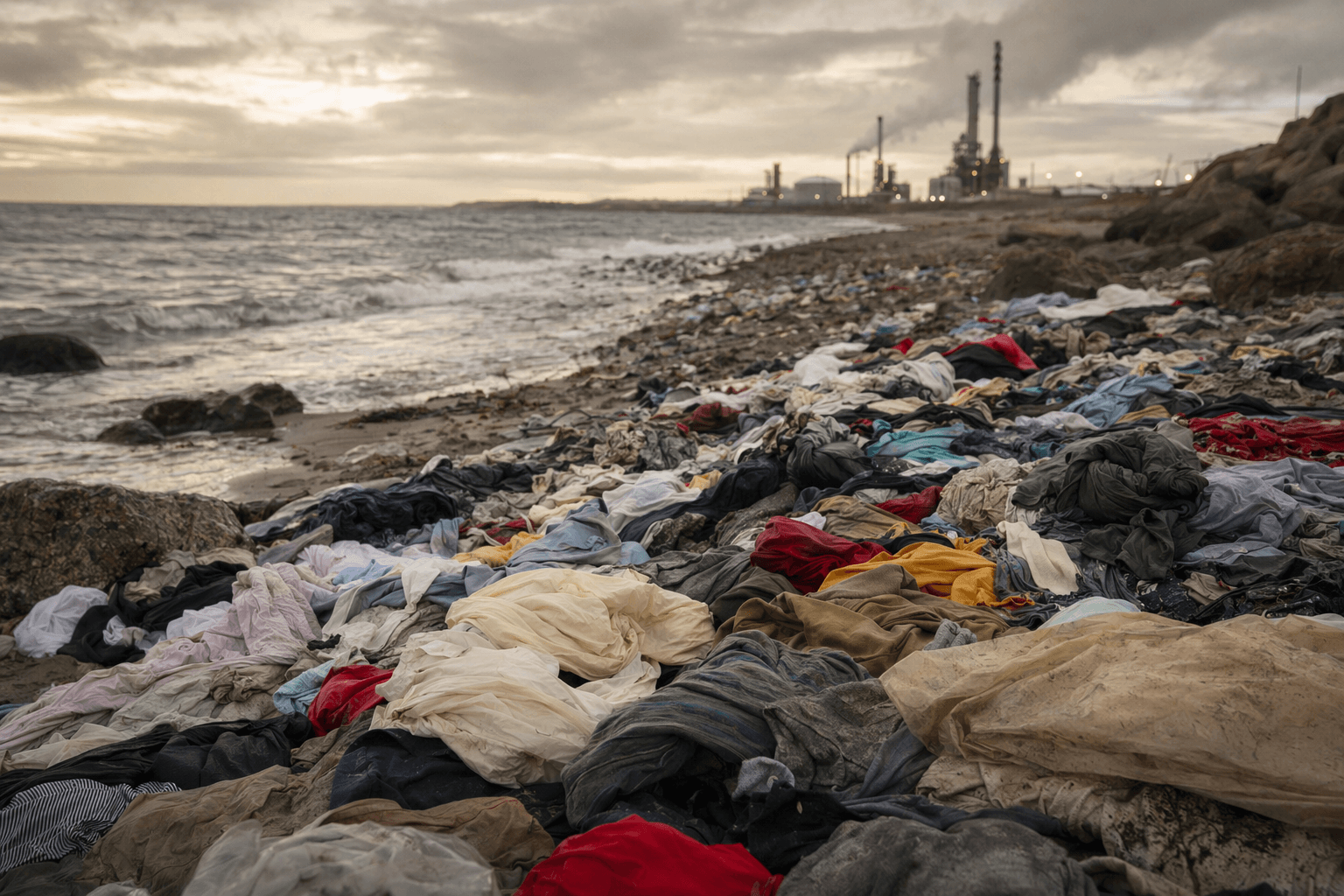
The message from Copenhagen is blunt: the fashion problem is not just greenwashing, it is overconsumption. Nordic Council figures say people in the region buy more clothes than the global average, and clothing consumption has risen 40% over the past 20 years. In a region that likes to sell itself as climate-forward, that is a brutal number.
The consumer-facing impact could be immediate if governments turn this recommendation into hard rules. Brands would likely have to substantiate claims that now glide across hangtags and homepage banners with almost no friction. Labels leaning on words like sustainable, eco-friendly, climate-friendly or circular would face a much higher bar, especially if those claims rest on partial recycled content, vague offsets or a tiny capsule collection dressed up as a major shift. “Carbon-neutral” and “responsible” could become tougher to use without transparent proof, and labor claims would be dragged into the same compliance conversation instead of treated like a nice extra.
That is where the enforcement angle gets real for shoppers. Clearer information would not just expose which brands are cleaner on paper; it would also make it harder to hide a bad fiber mix, weak traceability or ugly factory conditions behind soft branding and polished campaign language. The Nordic Council also says the recommendation is meant to guarantee good working conditions in the textile industry, which means labor abuses are being pulled into the same conversation as climate claims instead of left in the background.
The stakes are hard to overstate. A Nordic Council of Ministers analysis has said fashion and textiles account for 8% to 10% of global greenhouse-gas emissions. The region has already spent years circling the issue through initiatives like the Nordic Textile Collaboration, a Denmark, Finland, Norway and Sweden project that ran from January 1, 2022 to December 31, 2024. Now the question is whether the Nordic Region’s 2030 sustainability ambition finally turns into rules that change what brands can say, and what they have to prove before the sale.
This article was produced by Prism’s automated news system from verified source data, official records, and press releases, then run through automated quality and moderation checks before publishing. The system is built and supervised by the people who set the standards it runs under. Read our full AI policy.
Did this article answer your question?


