Pakistan cotton push turns to regenerative farming amid climate stress
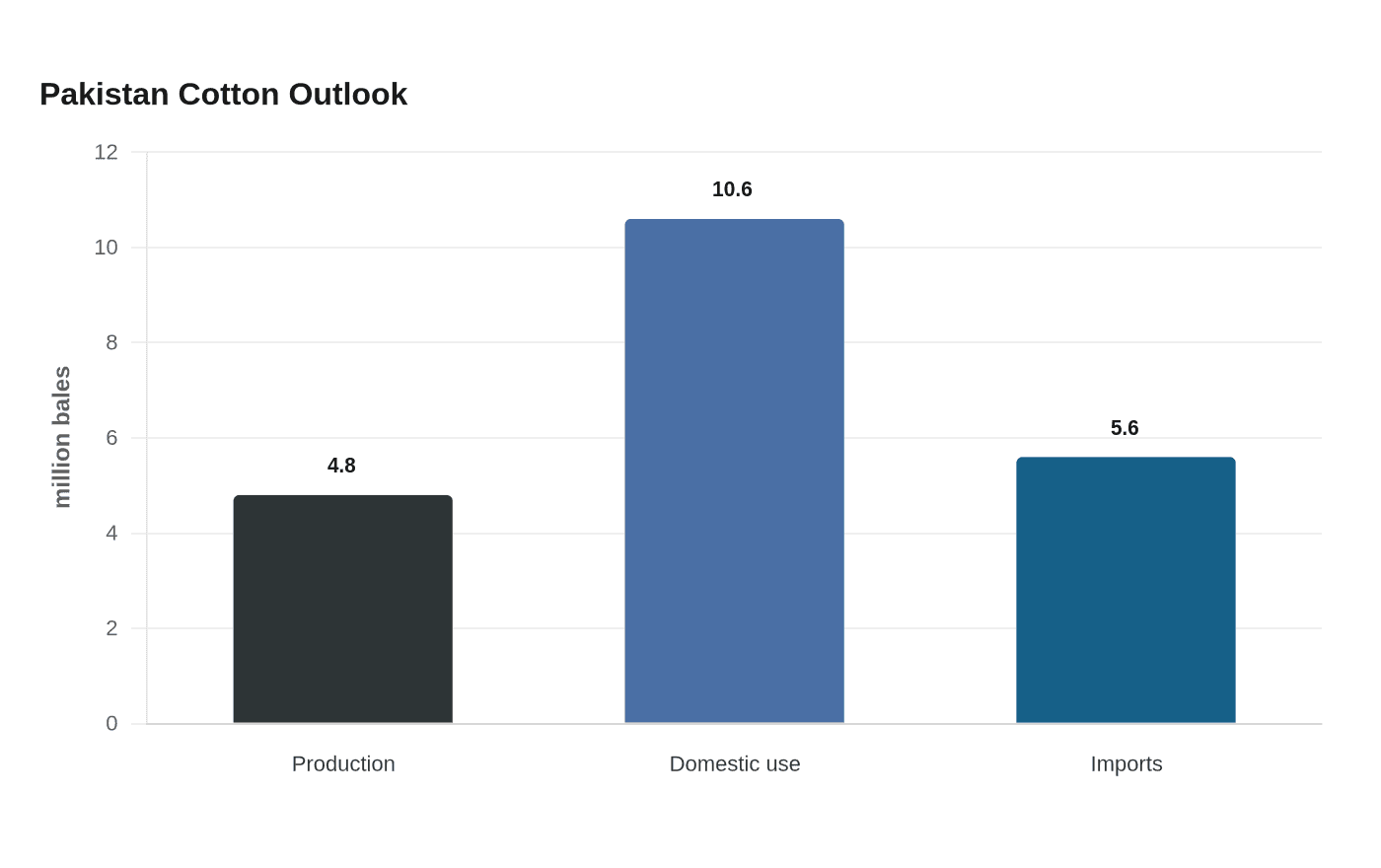
Pakistan’s cotton and yarn imports hit $4.24 billion as USDA pegged 2025/26 output at 4.8 million bales against 10.6 million in use, sharpening the case for regenerative farming.
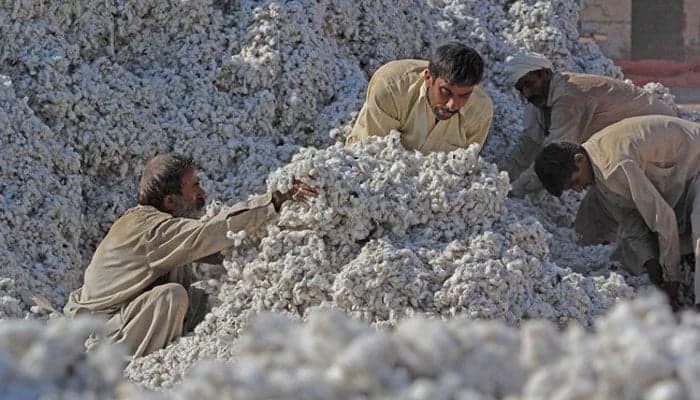
The All Pakistan Textile Mill Association warned in May 2026 that Pakistan’s Cotton Revival Plan had stalled in bureaucratic red tape, a dangerous signal for a crop already sliding deeper into import dependence. USDA’s 2025/26 outlook puts cotton production at 4.8 million bales against domestic use of 10.6 million, with imports forecast at 5.6 million bales.
That warning came after Deputy Prime Minister Ishaq Dar chaired a July 2025 Cabinet Committee on Essential Cash Crops meeting in Islamabad that reviewed a Cotton Plan 2025-26 with immediate, medium and long-term interventions. The crop still moved the wrong way. USDA’s August 20, 2024 update cut the 2024/25 cotton area in Punjab and Sindh to 2 million hectares and lowered production to 5.55 million bales. By late August 2024, reporting said output in the two provinces had dropped 60 percent, and a 2026 report placed national production at around 5 million bales, a 40-year low.
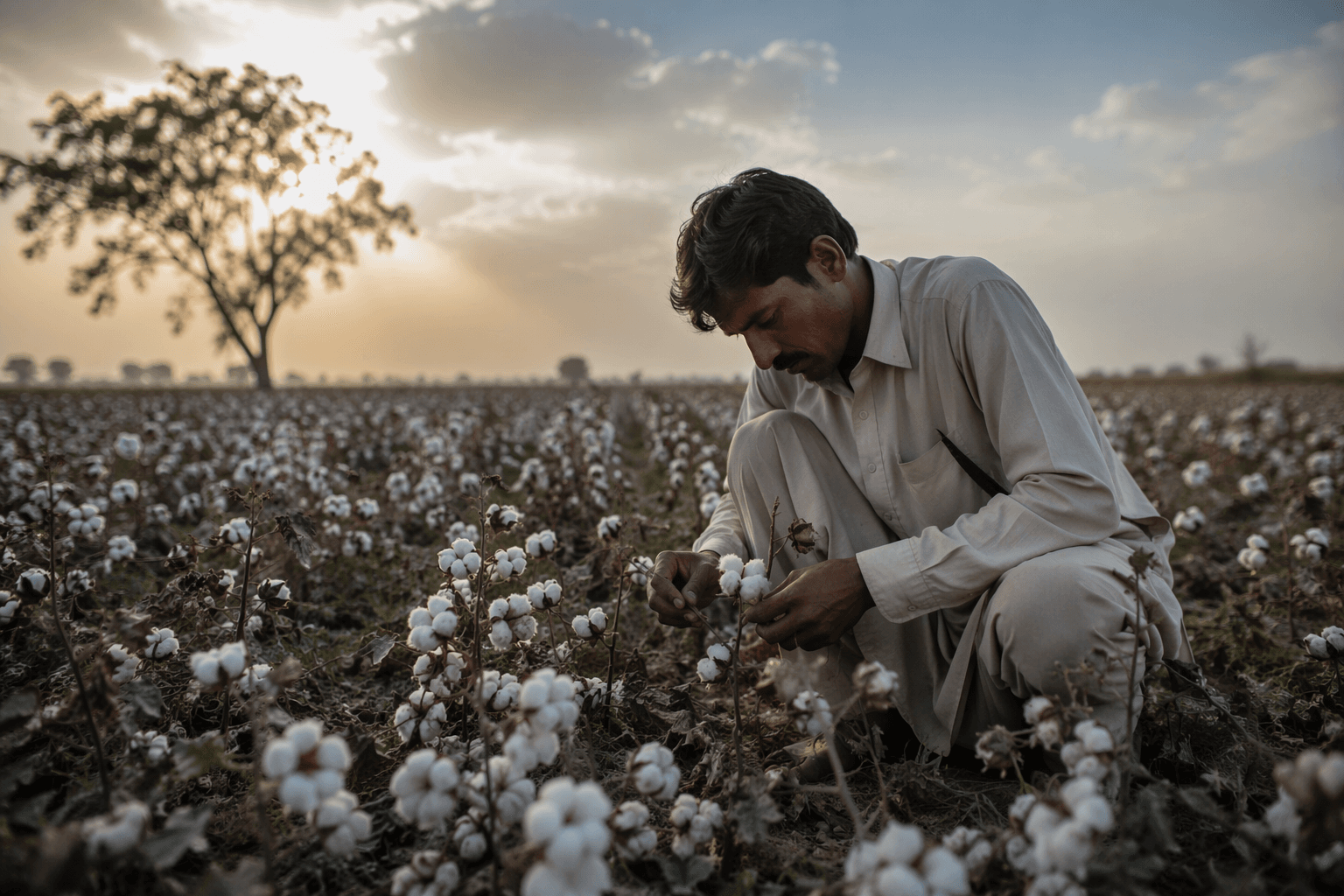
That is why the debate has shifted from scattered pilot plots to a national regenerative framework. Texfash framed climate disruption as the strongest driver of adoption, with water stress, declining soil fertility and input inflation tightening the screws on farmers and mills alike. The same reporting said traceability bottlenecks remain mostly operational, which is exactly why incentives and coordination now matter more than branding language. Better Cotton has said it signed an MoU with the APTMA Cotton Foundation to advance more sustainable cotton in Pakistan, while WWF-Pakistan has called for better cotton, organic cotton and regenerative approaches.
The commercial stakes are already visible in the trade balance. Pakistan’s cotton and yarn imports reached $4.24 billion in fiscal 2025 and, for the first time, exceeded domestic production. A World Bank climate report says the 2022 floods caused about US$10 billion in damage, roughly half of it in agriculture, and a 2024 water-footprint study followed the sustainability question from crop to finished fabric. For mills in Lahore and buyers tied to Pakistan’s supply chain, regenerative cotton is becoming a matter of supply security, export competitiveness and rural stability, not just a cleaner story to tell on a hangtag.
This article was produced by Prism’s automated news system from verified source data, official records, and press releases, then run through automated quality and moderation checks before publishing. The system is built and supervised by the people who set the standards it runs under. Read our full AI policy.
Did this article answer your question?