Reformation cuts product carbon intensity 29 percent, faces fashion decarbonization tradeoffs
Reformation says it cut product carbon intensity 29 percent and hit its Scope 3 target, but it still leans on materials swaps and carbon removals.
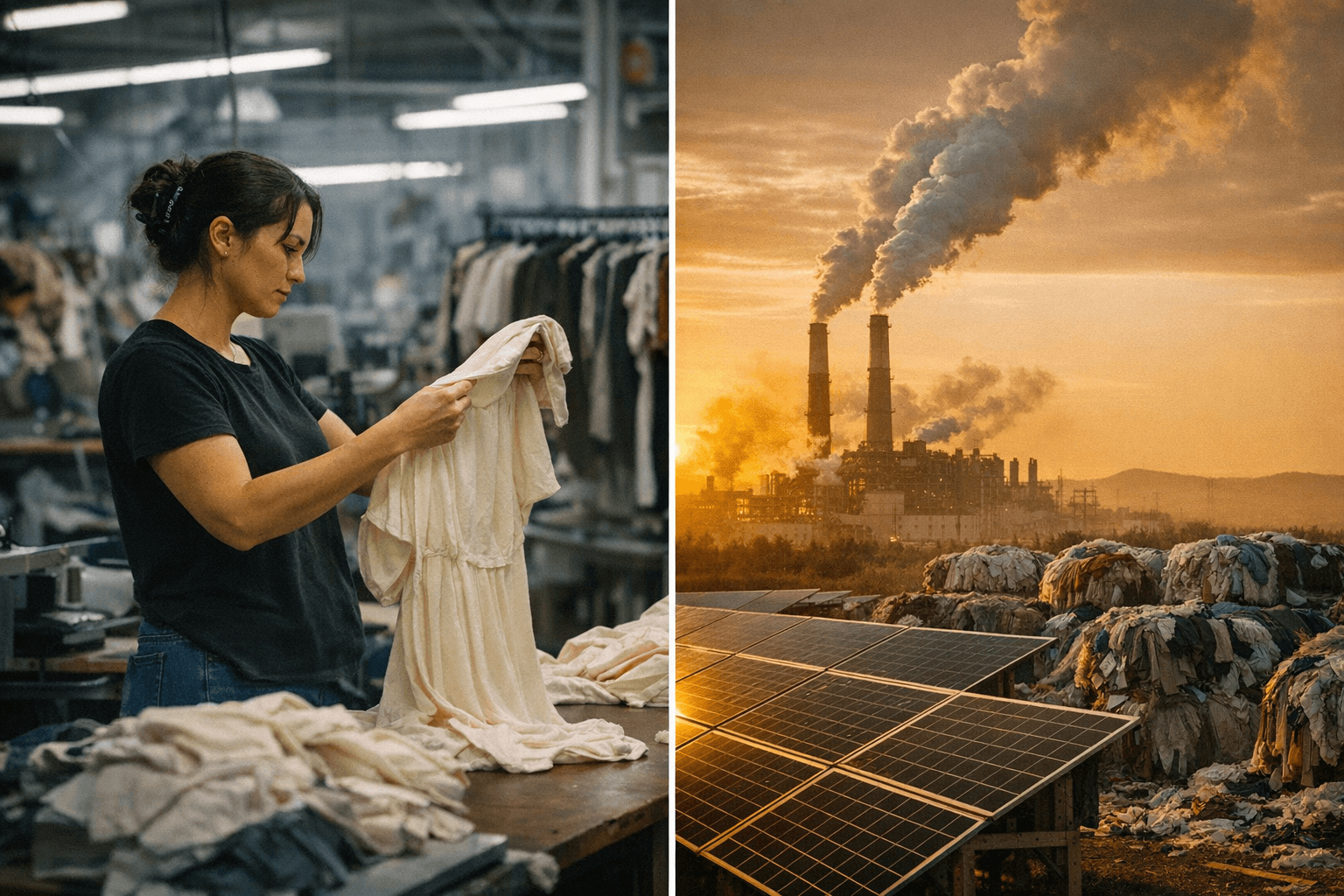
Reformation just put a sharp number on fashion’s climate scoreboard: a 29 percent drop in product carbon intensity between 2021 and 2025, plus a met science-based Scope 3 target. The Los Angeles-based label also said 97.5 percent of its fibers came from recycled, regenerative or renewable inputs, which is real progress in an industry that still treats decarbonization like a mood board instead of an operating system.
That is exactly why Reformation’s own tone matters. The brand did not sell this as a victory lap. It framed the result as a reality check, a reminder that fashion’s route to lower emissions is still messy, full of tradeoffs, mistakes and iteration. That is the right posture, because the hardest part of fashion decarbonization is not the easy swap of a better fiber label. It is the stubborn machinery behind the clothes: mills, dye houses, freight, energy use and the long tail of Scope 3 emissions that sit beyond a brand’s direct control.
Reformation’s roadmap shows it knows that. Its Climate Positive Roadmap committed the company to being Climate Positive by 2025, and its 2024 sustainability framework set tougher 2030 goals from a 2021 base year: cut absolute Scope 1 and 2 emissions by 42 percent and Scope 3 emissions by 48 percent. In its Q1 and Q2 2025 report, Reformation said 98 percent of materials used were recycled, regenerative or renewable, 19 percent were deadstock, recycled or next-gen, and 46 percent were textile-to-textile recyclable. It also said it invested in carbon-removal projects equal to about 125 percent of its total footprint, which is where the shiny climate story gets more complicated. Removals can help balance what a brand has not yet eliminated, but they are not the same as cleaning up the supply chain.
That tension is the whole point. The Science Based Targets initiative says Scope 3 is usually the biggest and most difficult emissions bucket for companies to tackle, and apparel and footwear are especially exposed because so much of their footprint lives outside the corporate office. More than 10,000 companies had validated science-based targets by January 2026, so Reformation is not alone here; it is operating inside a crowded field of brands that all know the language now, but far fewer that can back it up. Fashion Revolution’s 2025 transparency work found the average brand score was just 14 percent, with only a small share of brands disclosing credible plans to phase out coal, electrify factories or scale renewable energy.
So yes, Reformation’s numbers are strong. They are also a useful reminder that “best in class” in fashion still falls short of true systems change. Cutting product carbon intensity is progress. Cutting the industry’s dependence on fossil fuel energy, virgin inputs and patchy supplier reporting is the real test, and that work is nowhere near finished.
This article was produced by Prism’s automated news system from verified source data, official records, and press releases, then run through automated quality and moderation checks before publishing. The system is built and supervised by the people who set the standards it runs under. Read our full AI policy.
Did this article answer your question?


