Texas AG probes Lululemon over possible PFAS in activewear
Texas’s probe turns PFAS in leggings from a lab issue into a mainstream retail risk, putting Lululemon’s wellness image under legal pressure.

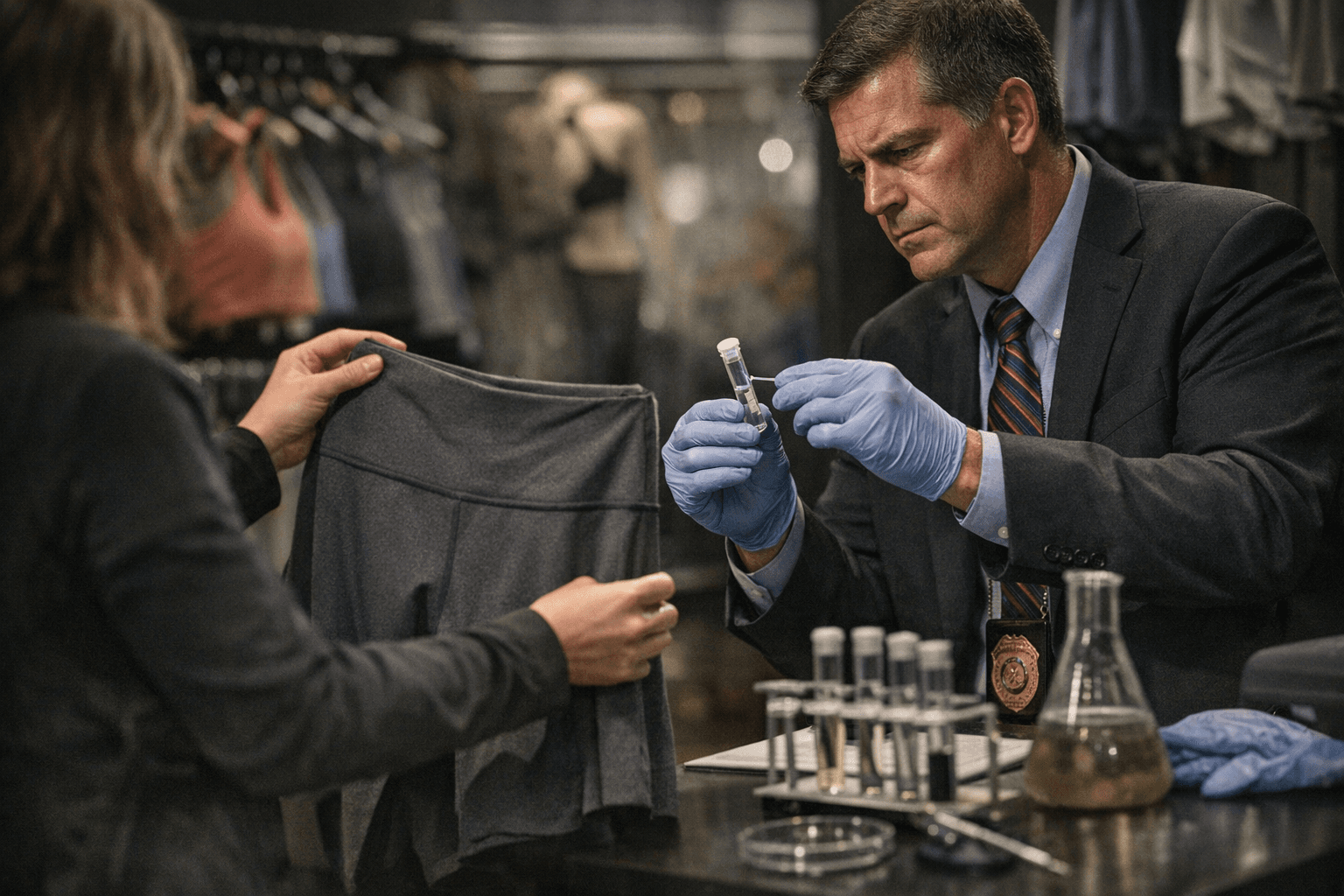
A pair of leggings has become a legal stress test for the whole activewear aisle. Texas Attorney General Ken Paxton opened an investigation into Lululemon on April 13 over whether some of its athletic apparel contains PFAS, the persistent “forever chemicals” now moving from niche watchdog territory into mainstream regulatory risk.
The move lands hard because Lululemon has long sold more than stretch and sweat-wicking performance. It sells a mood, a polished wellness uniform built on clean lines, technical fabrics and the promise that what sits closest to skin is engineered with care. The Texas Attorney General’s Office said it is examining whether the brand’s products contain chemicals consumers would not expect from the company’s marketing, and media coverage said the office issued a civil investigative demand.
Lululemon has pushed back, saying it does not use PFAS in products today and that the substances were phased out in fiscal 2023. The company said PFAS had previously been used only in a small percentage of water-repellent products. On April 16, it published a dedicated explainer, “Created without PFAS: What to know about lululemon’s products,” and its October 2025 Restricted Substances List includes a PFAS appendix tied to worldwide regulatory standards.
The stakes reach well beyond one brand. The U.S. Environmental Protection Agency says PFAS break down very slowly and can build up in people, animals and the environment over time. The Centers for Disease Control and Prevention’s toxic substances agency says exposure can come through dust or residue from consumer products such as water-repellent clothing, even if drinking water remains a bigger route of exposure. For shoppers who pull on a jacket, bra top or commuter layer every day, that means chemical scrutiny is no longer abstract. It is touching the fabrics in the closet.
The pressure on apparel makers is tightening as states move faster than federal rules. California’s PFAS-in-apparel ban took effect on January 1, 2025, and New York has its own PFAS-in-apparel law. That creates a shrinking runway for brands that still rely on water-resistant finishes, stain resistance and other performance treatments that have historically leaned on fluorinated chemistry.
For Lululemon, the timing is especially pointed. The company was founded in 1998, launched its first plant-based nylon products in 2023 and announced a partnership with ZymoChem in 2025 to advance more sustainable materials. That makes the Texas probe more than a compliance problem. It is a referendum on whether the language of performance and sustainability can survive when the finish on the fabric is under a microscope.
This article was produced by Prism’s automated news system from verified source data, official records, and press releases, then run through automated quality and moderation checks before publishing. The system is built and supervised by the people who set the standards it runs under. Read our full AI policy.
Did this article answer your question?