Reju Secures €135 Million to Build Major Textile Regeneration Hub in Netherlands
Reju secured €135M from Dutch government to build a hub that will convert 60,000 tonnes of discarded textiles into new polyester annually.

Europe's most ambitious bet on closed-loop textiles just got its most significant financial backing. Reju, the textile-to-textile regeneration company backed by engineering giant Technip Energies, secured €135 million from the Netherlands' Nationale Investeringsregeling Klimaatprojecten Industrie program, known as NIKI, to advance its planned Regeneration Hub at Chemelot Industrial Park in Sittard-Geleen. The award covers both the construction phase and ongoing operations, and moved the project meaningfully closer to a final investment decision, which Reju is targeting later in 2026.
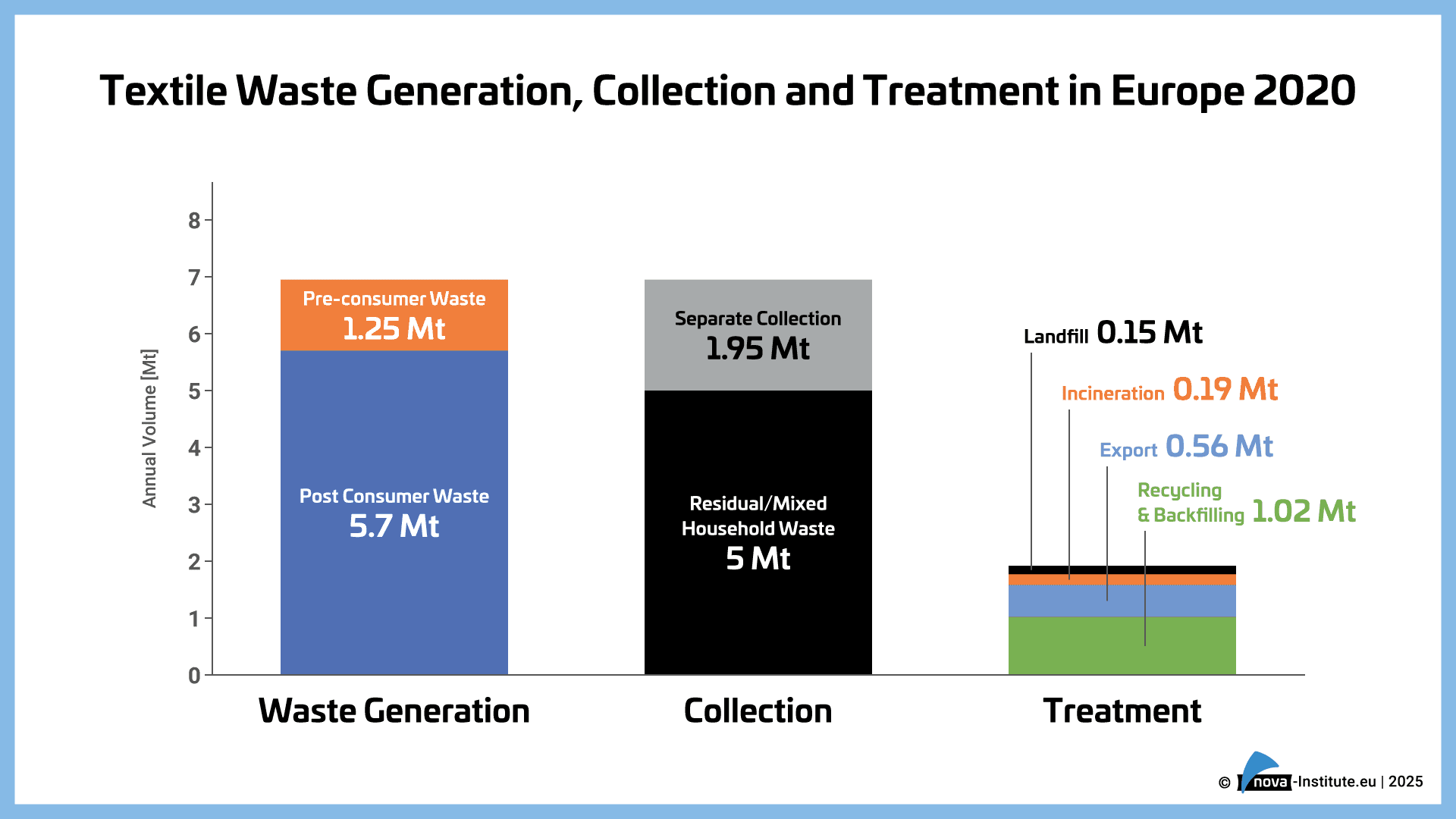
The numbers behind the project clarify just how industrial in ambition this is. Total capital costs for the hub are expected to fall between €350 million and €400 million. Once operational, it is designed to process approximately 60,000 metric tonnes of post-consumer textile waste per year, converting the input into 50,000 tonnes of rBHET, a recycled intermediate used in new polyester production. Reju says the facility would regenerate the equivalent of 300 million garments annually that would otherwise be incinerated or buried in landfill.
The output, branded as Reju Polyester, carries a carbon footprint the company says is 50 percent lower than virgin polyester. The process targets polyester-containing blended fabrics, a category that has long resisted mechanical recycling precisely because separating fibres from mixed-composition textiles at scale is technically and economically punishing. Reju's chemical and enzymatic approach breaks those blends down into usable intermediates rather than downcycled fibre, feeding material back into a production chain that ends in yarn, fabric, and finished goods.
Patrik Frisk, CEO of Reju, called the NIKI award "a strong vote of confidence in our technology and our team," adding that the Chemelot facility would "establish a replicable blueprint for circular textiles in Europe." That language of replication matters: Chemelot was chosen in part for its existing industrial infrastructure and chemical ecosystem, which Reju intends to use as a template for future hubs.
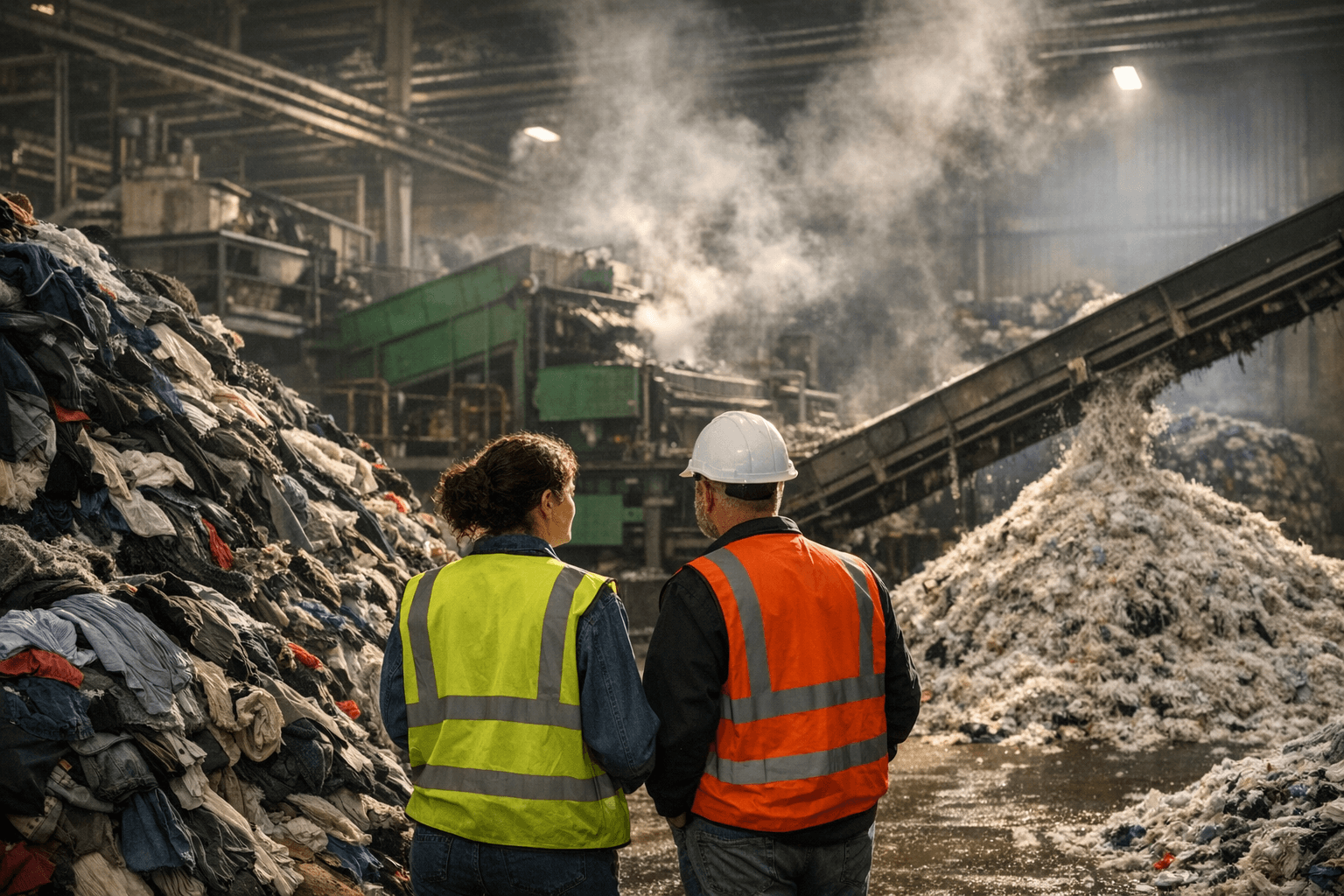
The Chemelot announcement follows the October 2024 opening of Reju's Regeneration Hub Zero in Frankfurt, a smaller-scale proof-of-concept facility. Where Frankfurt was a demonstration, Sittard-Geleen is the commercial-scale execution. NIKI itself is the Dutch government's flagship instrument for large-scale industrial decarbonisation, designed to align national industrial policy with European Union circular economy targets. Having it committed to a textile project of this magnitude signals that governments are beginning to treat fibre regeneration as infrastructure rather than innovation.
With final investment decision still pending, the full weight of Reju's capital stack is not yet locked. But €135 million in government-backed funding, applied to a facility built to absorb the equivalent of a third of a billion discarded garments per year, sets a new floor for what industrial textile recycling in Europe can look like.
This article was produced by Prism’s automated news system from verified source data, official records, and press releases, then run through automated quality and moderation checks before publishing. The system is built and supervised by the people who set the standards it runs under. Read our full AI policy.
Did this article answer your question?