ROICA Showcases Recycled Stretch Fibers and Circular Solutions at Performance Days 2026
Conventional elastane can't be mechanically recycled. At Performance Days 2026, ROICA presented three distinct circular pathways around that problem, and each one carries real limits brands should know.
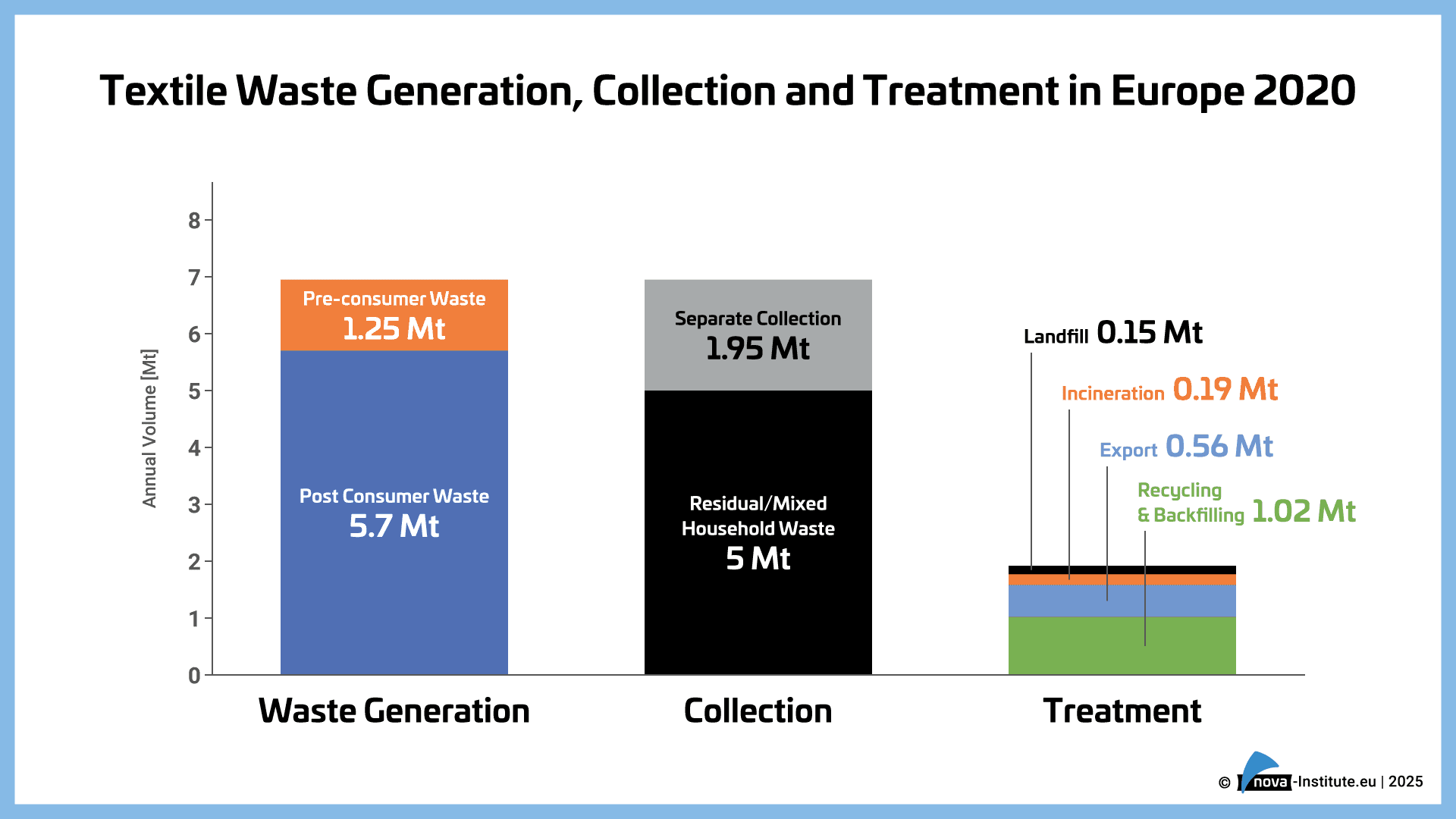
The global activewear market was estimated at $440 billion in 2025 and is projected to reach nearly $920 billion by 2033, and almost every garment in it depends on elastane. That is the quiet complication at the center of performance fashion's sustainability conversation: conventional elastane does not biodegrade, cannot be mechanically separated from blended fabrics, and contaminates textile waste streams when mixed with cotton, polyester, or nylon. This is circular fashion's most inconvenient fiber, and it is exactly what ROICA, the premium stretch brand of Japanese multinational Asahi Kasei Corporation, put at the center of its exhibit at Performance Days 2026 in Munich.
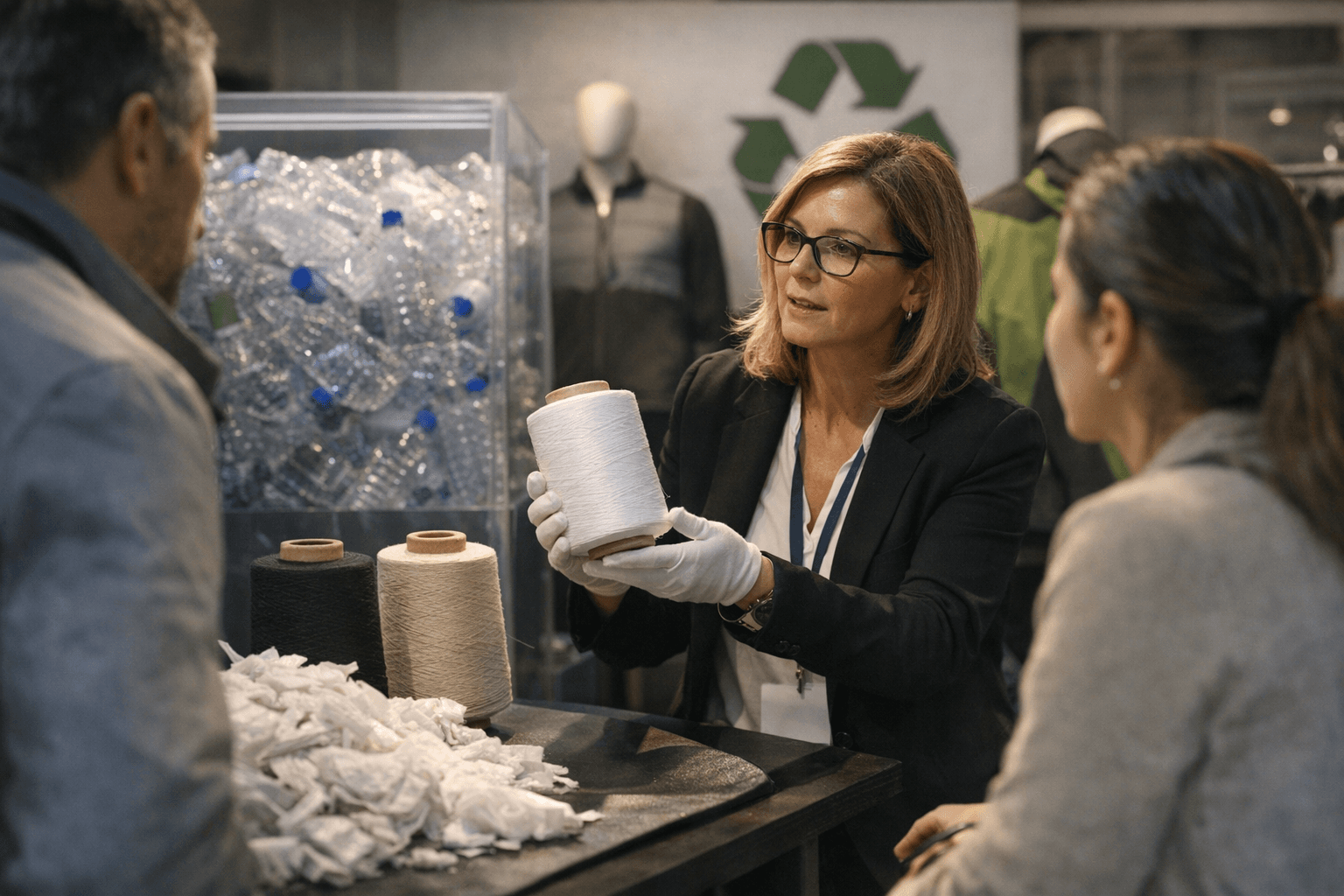
Positioned at Hall C2, Booth R19, ROICA's exhibit featured leading European mill partners alongside two Japanese textile specialists, demonstrating how advanced stretch performance can be interpreted through diverse technical approaches. What the booth actually presented was three distinct strategies for reducing elastane's environmental liability, each with a different certification, a different mechanism, and a different set of honest limits.
The first is recycled content. ROICA EF is described as the world's first Global Recycled Standard (GRS) recycled elastane yarn, using more than 50 percent pre-consumer recycled content in its production. GRS is the accepted Textile Exchange certification for recycled content claims. What GRS certifies is the recycled input at the point of fiber production, not the recyclability of the finished fabric. A garment blending ROICA EF with cotton reduces its upstream footprint; it does not resolve the fiber separation problem when that garment reaches end of life. The two claims are related but not the same, and conflating them is a common source of greenwashing risk.
The second pathway is biodegradation. ROICA V550 is described by Asahi Kasei as the world's first degradable stretch yarn, and carries Cradle to Cradle certification. Developed by Asahi Kasei, the fiber is verified under ISO 14855-1 conditions, decomposing into water and carbon dioxide under microbial-active soil conditions, leaving no harmful residues. The limit worth knowing: V550 does not fully biodegrade, with a portion of the elastane component remaining after breakdown, meaning a small percentage of the total textile will not biodegrade compared to approximately 100 percent non-biodegradable for conventional elastane. That is still a meaningful improvement, but not a license to call V550-based garments compostable. At Performance Days, Sitip showed lightweight warp knits and brushed thermal fabrics incorporating both V550 and ROICA EF, while Brugnoli presented cotton and Micromodal constructions using V550. The hybrid construction called Explosive Cotton Plus, integrating natural cotton fibers with engineered elastic components, illustrated how mills are attempting to align biodegradability profiles with the stretch and recovery that performance end-uses demand.
The third pathway is longevity, and for everyday activewear it may be the most immediately actionable. ROICA SP, a chlorine-resistant variant engineered for intensive training and swimming applications, was featured through Inter Jersey Milano's Active collection. Standard elastane degrades rapidly in pool environments, often within a single competitive season. SP resists that chemical exposure, extending the functional life of swimwear and training garments materially. A suit that survives three seasons instead of one does not require recycling infrastructure or certification; it simply removes two replacement cycles from the waste equation. For aquatic performance apparel, this is circularity expressed as durability.
For brands and designers sourcing stretch fabrics, these three pathways suggest a specific checklist of questions to press on at the supplier level. What is the elastane blend percentage, and does it fall within the tolerance that current mechanical sorting infrastructure can handle? If a biodegradation or chemical recycling route is claimed, which testing body verified it and under exactly what conditions? What does the certification cover: the fiber input, the finished fabric construction, or an actual end-of-life outcome? And does the supplier have a take-back scheme or a named recycling partner that can fulfill the circularity promise being made to the consumer?
EU extended producer responsibility schemes for textiles are expected to be established in Member States by late 2026 or early 2027 under the revised Waste Framework Directive, with brands and retailers required to finance the collection, sorting, and recycling of textile waste. Brands that cannot trace their circularity claims to the fiber level will face those questions again in a compliance context, with considerably less room to equivocate.
This article was produced by Prism’s automated news system from verified source data, official records, and press releases, then run through automated quality and moderation checks before publishing. The system is built and supervised by the people who set the standards it runs under. Read our full AI policy.
Did this article answer your question?