Techtextil 2026 Puts Circular Fibres and Bio-Based Textiles at Centre Stage
Techtextil's new Nature Performance label will group 110+ Frankfurt exhibitors from April 21, but the audited Econogy stamp is the one that actually verifies sustainability claims.
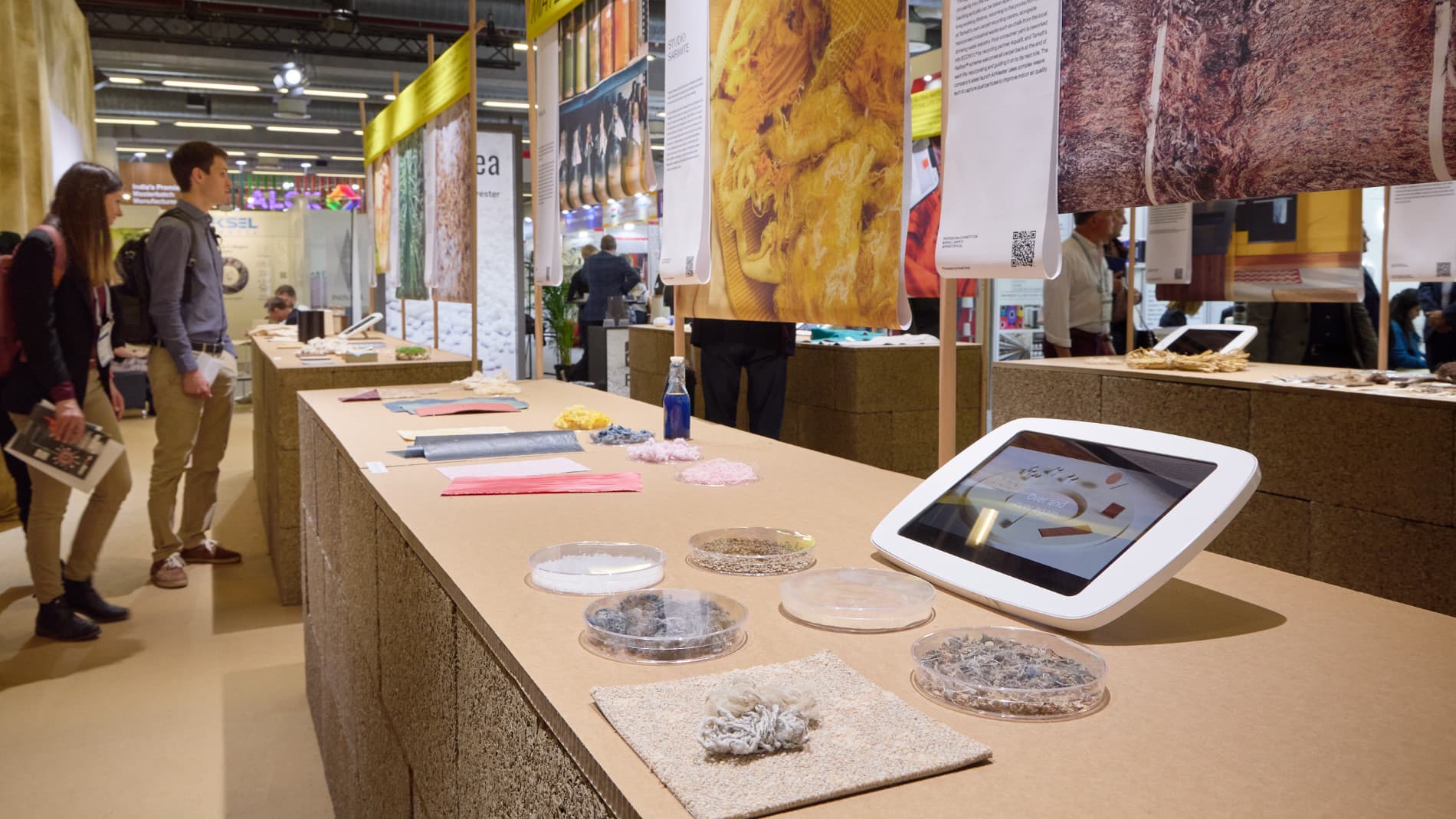
Jute ships at 3 million tonnes a year. Industrial hemp moves at 400,000 tonnes. Short flax fibres account for 200,000 tonnes annually. These are not artisan novelties; they are industrial-scale natural fibre streams, and Techtextil 2026, opening in Frankfurt on April 21, is positioning them as credible alternatives to petroleum-based inputs across automotive, insulation, and apparel-adjacent manufacturing.
The show's newly introduced Nature Performance label will group more than 110 exhibitors presenting natural and bio-based fibres, yarns, and circular solutions within a single searchable category. The label is a wayfinding tool: it tells you where in the hall to look, not whether what you find has been independently assessed. That distinction is worth holding onto before sourcing decisions are made. The claimed benefits driving the category, among them CO₂ savings, biodegradability, and freedom from fossil resource dependency, are real advantages for jute, flax, and hemp versus conventional synthetics. What the label does not communicate is which life-cycle assessment boundaries underpin those CO₂ calculations, or where in the processing chain the biodegradability argument holds.
For that, the Texpertise Econogy programme is the number to track. Around 120 companies at Techtextil will carry the Econogy designation, which requires exhibitors to be audited and certified by outside experts as operating sustainably, ethically, and in commercially viable terms. The icon appears at certified stands and in the online exhibitor search, making it possible to filter the floor before arriving. Econogy Talks and guided tours will run alongside the main show, offering structured access to traceability practices rather than leaving them to marketing materials.
The most technically specific showcase is the Dutch Circular Textile Pavilion, positioned in Hall 9.1. SaXcell will demonstrate a chemical fibre-to-fibre recycling process that transforms textile waste into new fibres of cotton-like quality, a meaningful result for any brand trying to close the loop without degrading material performance. The fashion brand Vodde goes further, presenting its own fibre-to-fibre supply chain producing yarns from 100% recycled textile waste. EECOFF, Materialliance, and Tex-tracer co-exhibit alongside them, contributing additional innovations and a curated yarn library that makes supply-chain conversations concrete rather than aspirational.
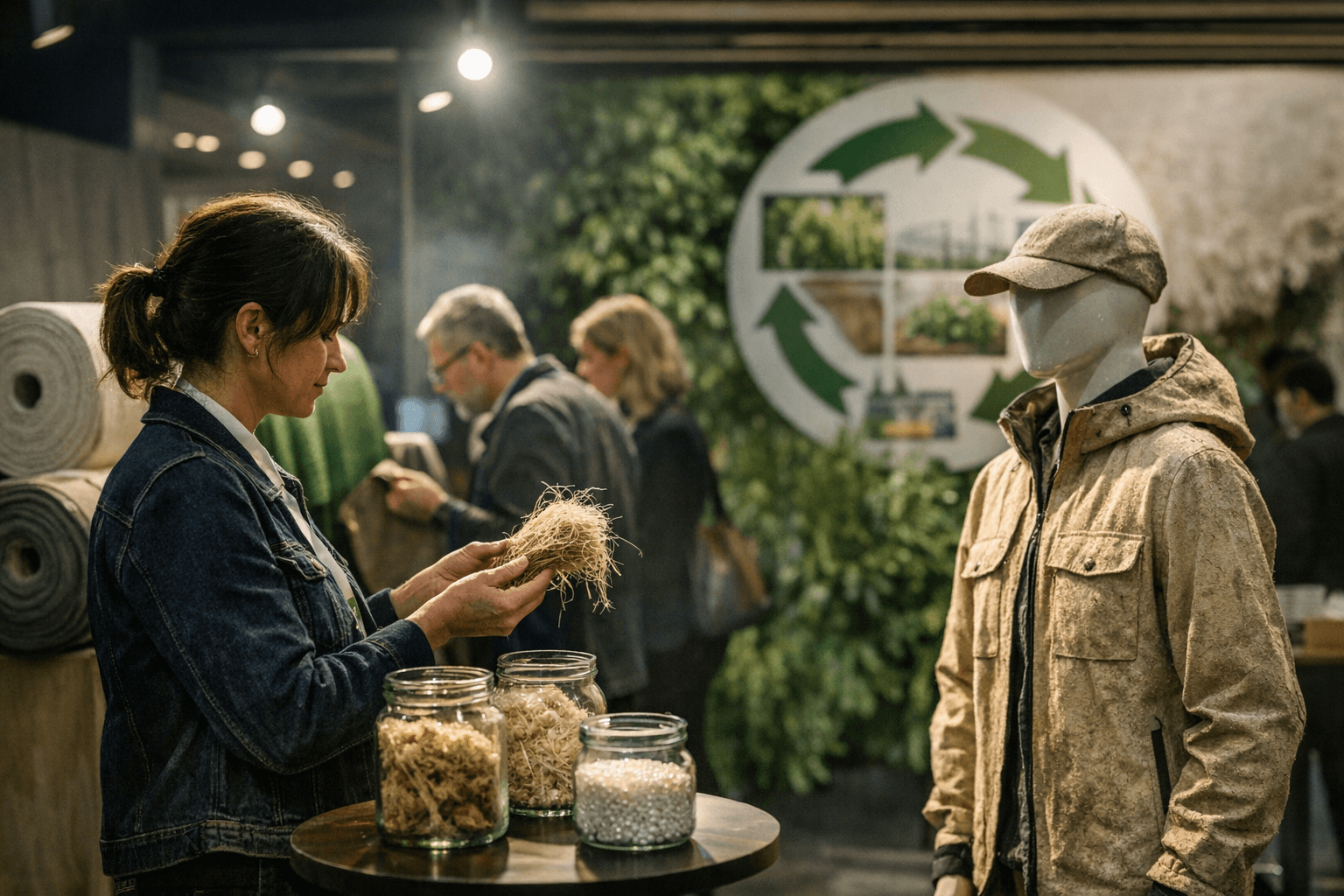
Across the broader show floor, around 90 exhibitors will present recycled or recyclable fibres and yarns for technical textile applications. Lenzing, The Lycra Company, Teijin Group, Aquafil, Freudenberg Performance Materials, and Recyc'Elit SAS are among the confirmed participants. That roster signals something significant: the mainstream technical fibre sector is not watching circular inputs from a distance.
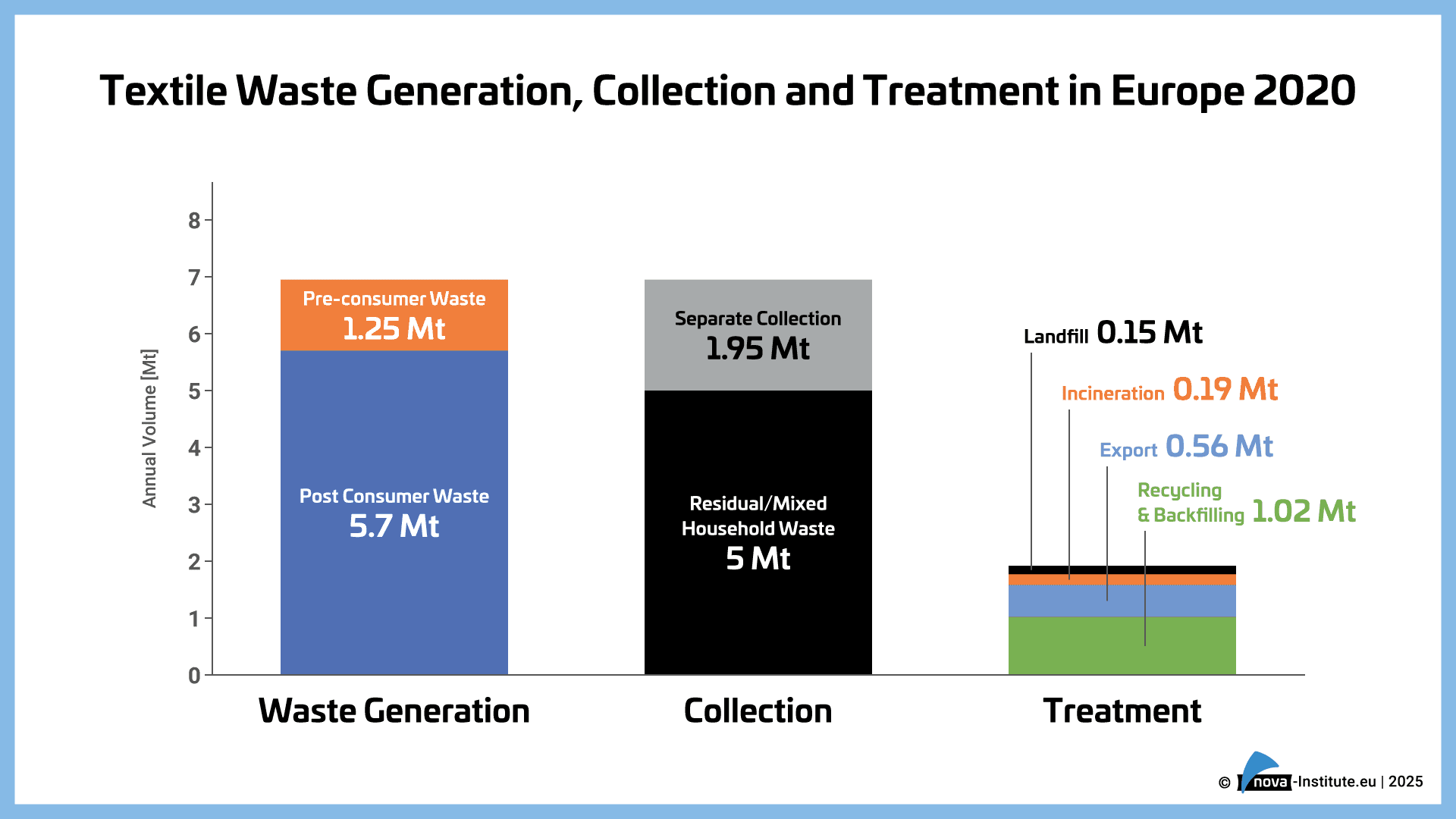
Stricter circular economy regulations in Europe are adding measurable momentum to these developments, and the recovery of high-performance fibres from post-consumer textiles remains the sector's live challenge. The infrastructure to address it, fibre-to-fibre recycling at scale, audited traceability, bio-based fibres available in industrial volumes, will be visible on a single trade fair floor in Frankfurt for four days in April. The production tonnages cited by Dr Terry P. Townsend of the Discover Natural Fibres Initiative confirm the supply exists. What Techtextil 2026 will show is whether the processing and verification systems are catching up.
This article was produced by Prism’s automated news system from verified source data, official records, and press releases, then run through automated quality and moderation checks before publishing. The system is built and supervised by the people who set the standards it runs under. Read our full AI policy.
Did this article answer your question?