SORTED textile line proves industrial-scale sorting can cut costs 80%
Three machines in SORTED's Dutch textile line are up, and the consortium says full automation could slash sorting costs by 80%.

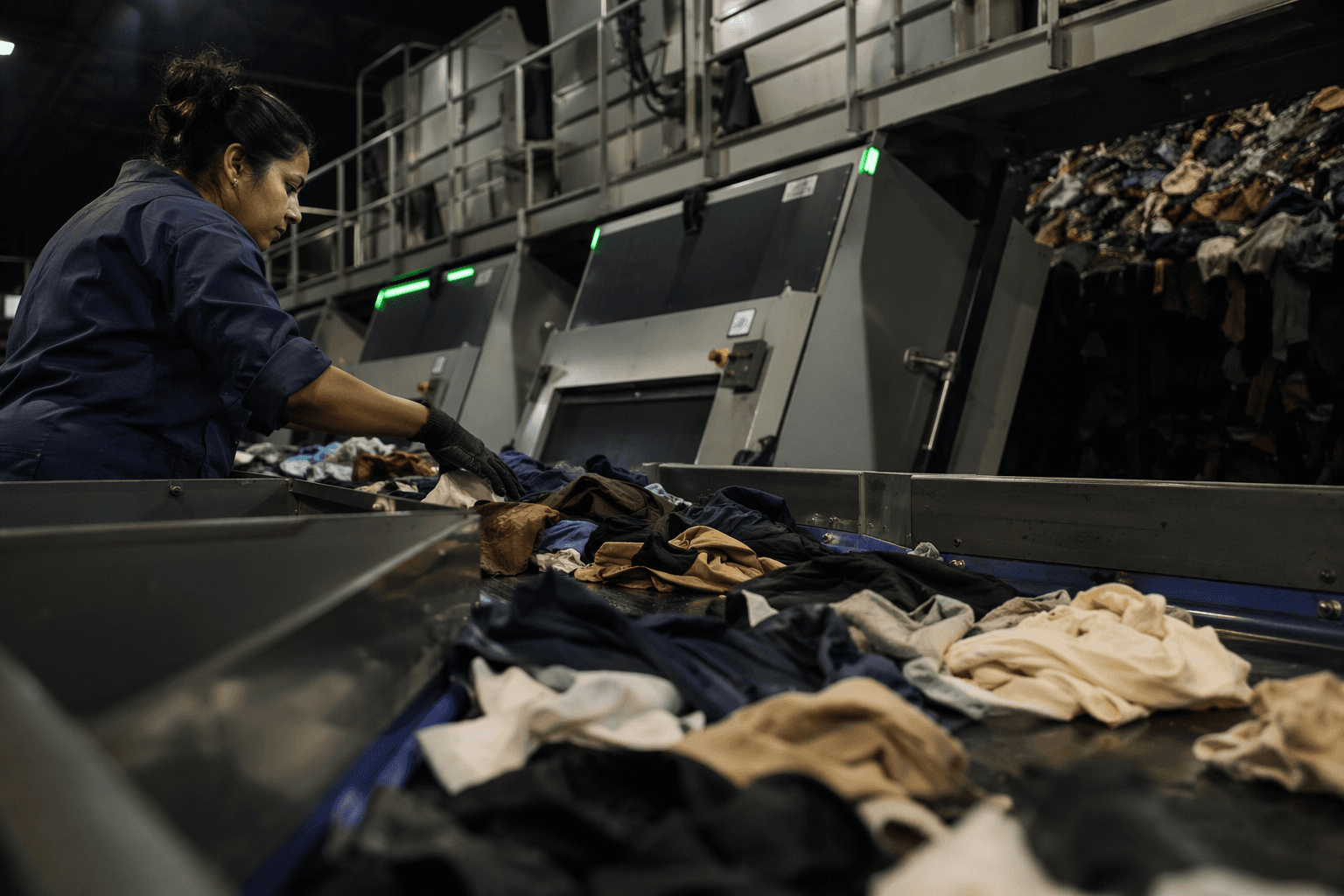
Three working machines now sit at the center of SORTED’s automated textile line, the part of the system that decides whether a used hoodie goes back into circulation or gets broken down for recycling. The Singulator, robotic Bag Opener and high-speed Textile Analyser are the first completed pieces of a setup that could cut sorting costs by as much as 80% once the full installation is finished.
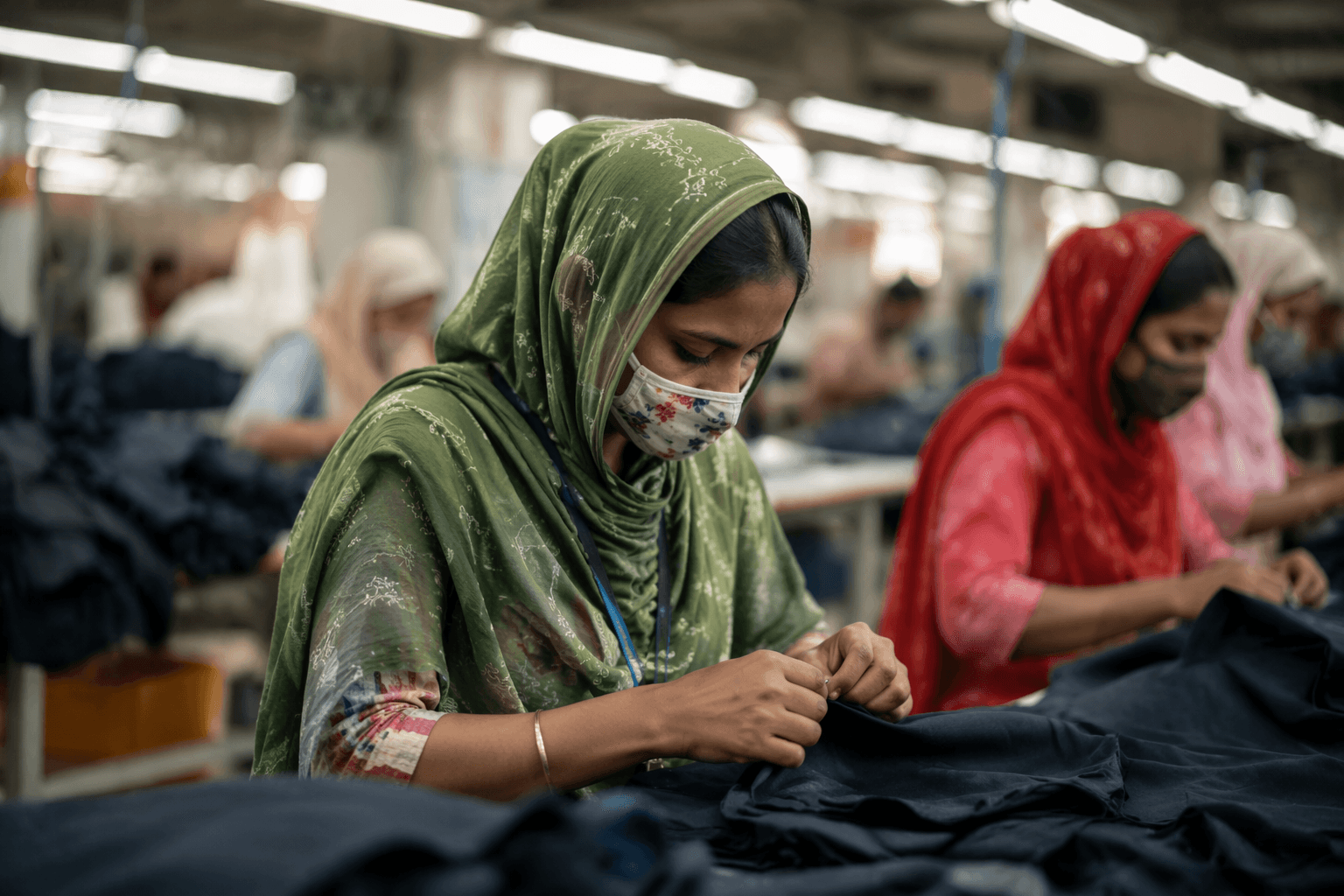
Textile sorting is where circular fashion usually gets ugly fast. Bales arrive mixed, bagged and compressed, and every manual touch adds labor, slows throughput and risks damaging feedstock that still has resale value. SORTED’s machines separate individual items, open plastic bags without shredding garments, and scan each piece at speed so reusable items can be pulled into the reuse stream while non-rewearable textiles are routed toward recycling.
SORTED is a four-year collaboration of 15 Northern Dutch partners built to make the textile chain circular and clean. The consortium is organized into five work packages covering automated sorting, advanced chemical recycling of discarded textiles, behavioral change, circular business models, and education and labor-market development. Sympany leads work on automating the sorting of collected textiles with artificial intelligence and robots, while the University of Groningen is researching consumer behavior and circular business models. The University of Groningen puts SORTED at €30 million.
Demcon Industrial Systems Groningen put the project’s subsidy at €14,927,479.42 from Samenwerkingsverband Noord-Nederland through the European Just Transition Fund, with €6 million in co-financing from the Dutch Ministry of Economic Affairs.
In January 2025, rising textile waste volumes, shrinking second-hand export markets and the EU’s mandatory separate collection rules, which began in 2025, were pushing the sector toward robotics and AI. SOEX has been developing automated textile-sorting technology since 2015, with a system that can recognize up to 90 material types and combinations at up to 95% accuracy and process about 1,500 items, or 500 kilograms, an hour for chemical or mechanical recycling.
This article was produced by Prism’s automated news system from verified source data, official records, and press releases, then run through automated quality and moderation checks before publishing. The system is built and supervised by the people who set the standards it runs under. Read our full AI policy.
Did this article answer your question?